Portfolio
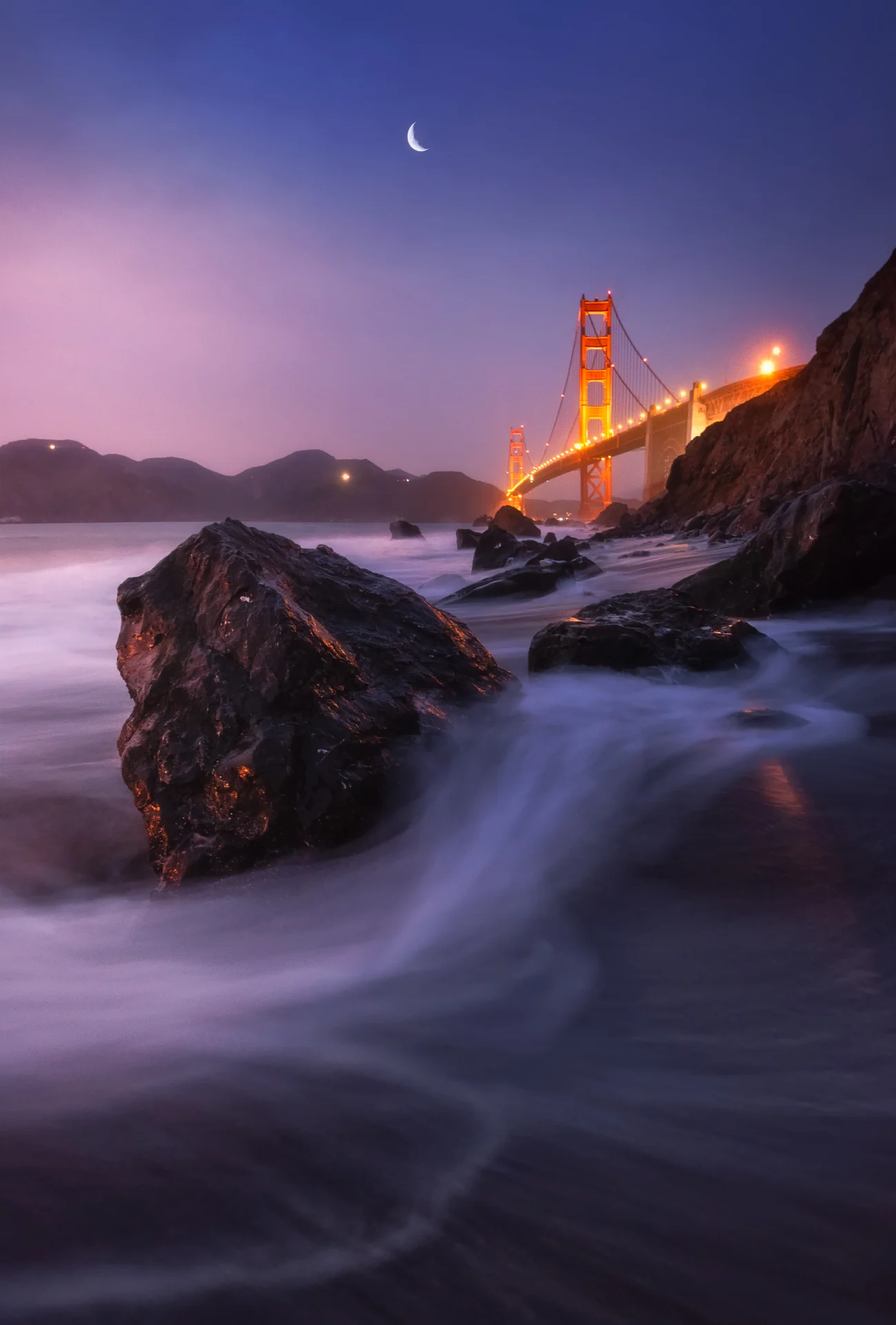
Behind the image: The Golden Bridge
In September 2017, my partner and I planned a major trip through the western United States and Canada, covering 13,000 km in 27 days. During this trip…
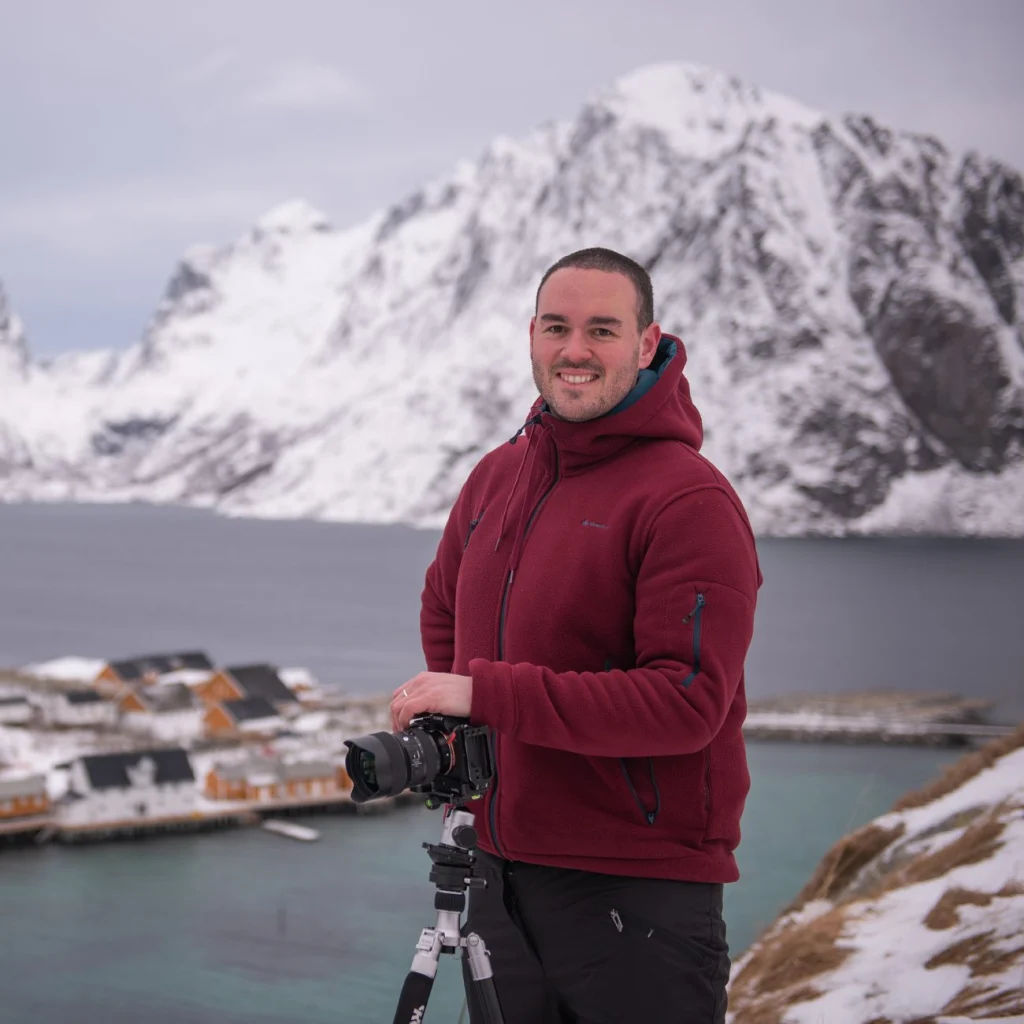
 By Julio Castro5 min read
 PLANNING
In September 2017, my partner and I planned a major trip through the western United States and Canada, covering 13,000 km in 27 days.
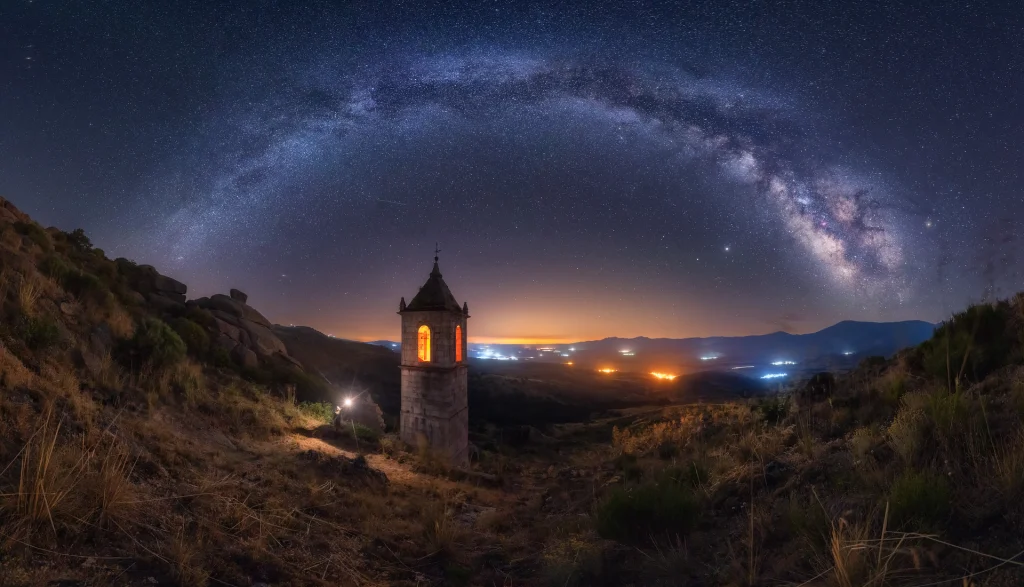
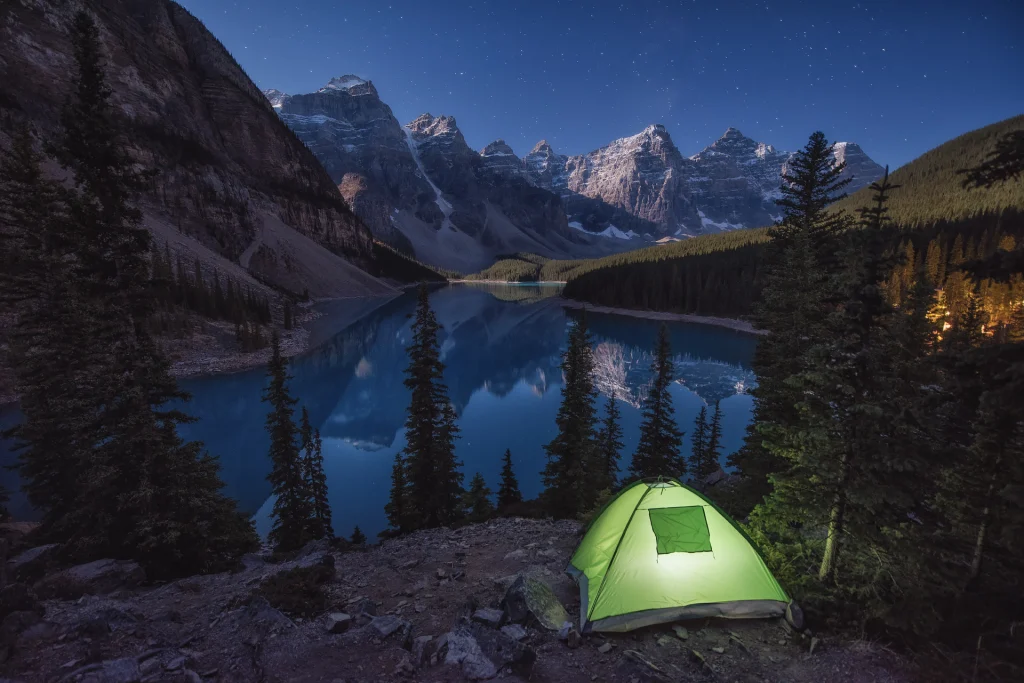
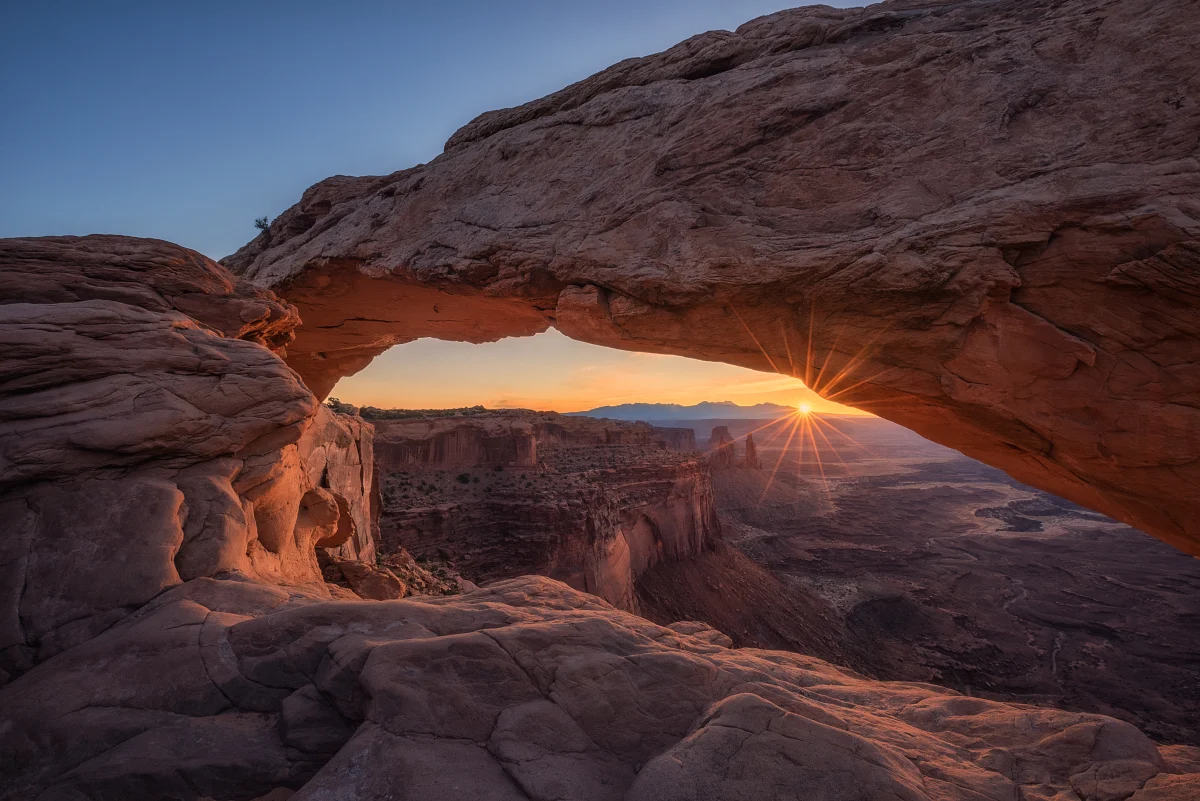
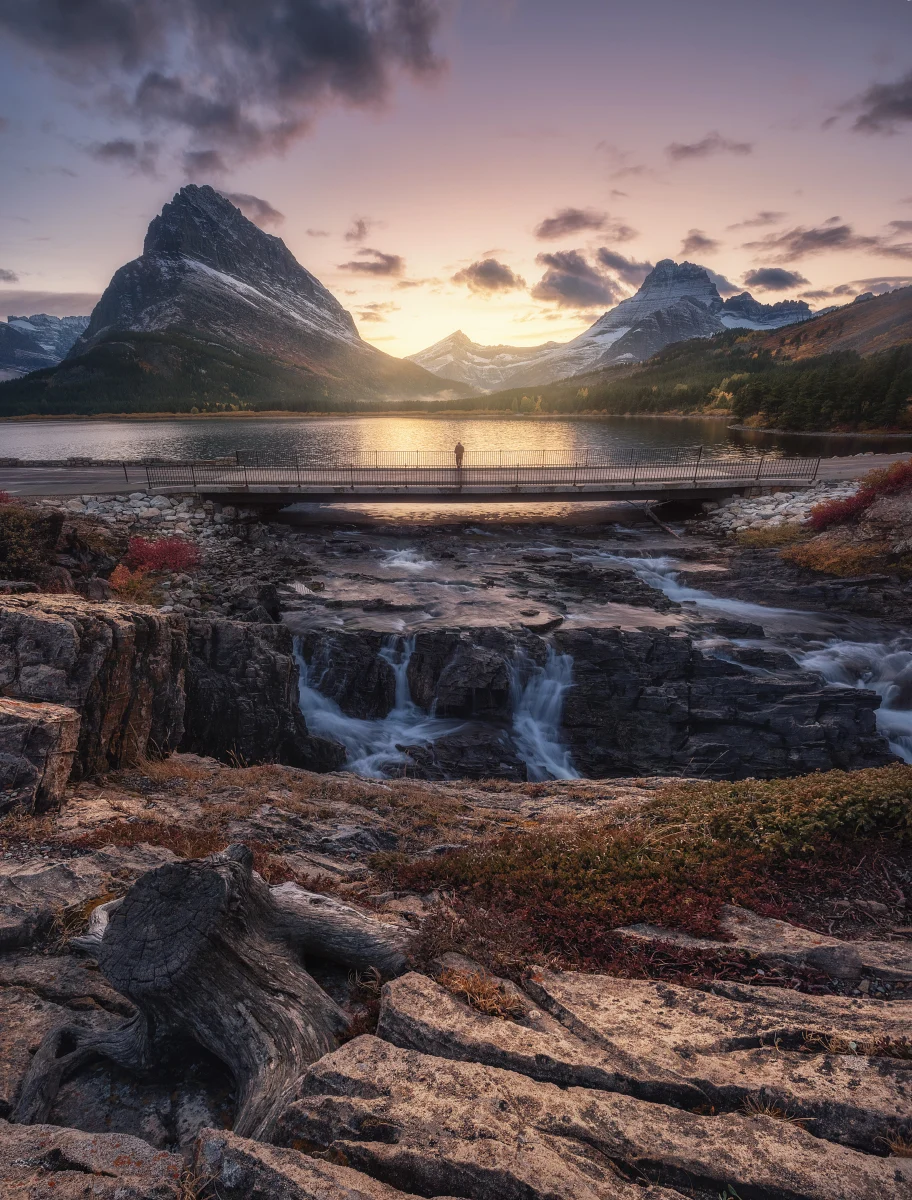
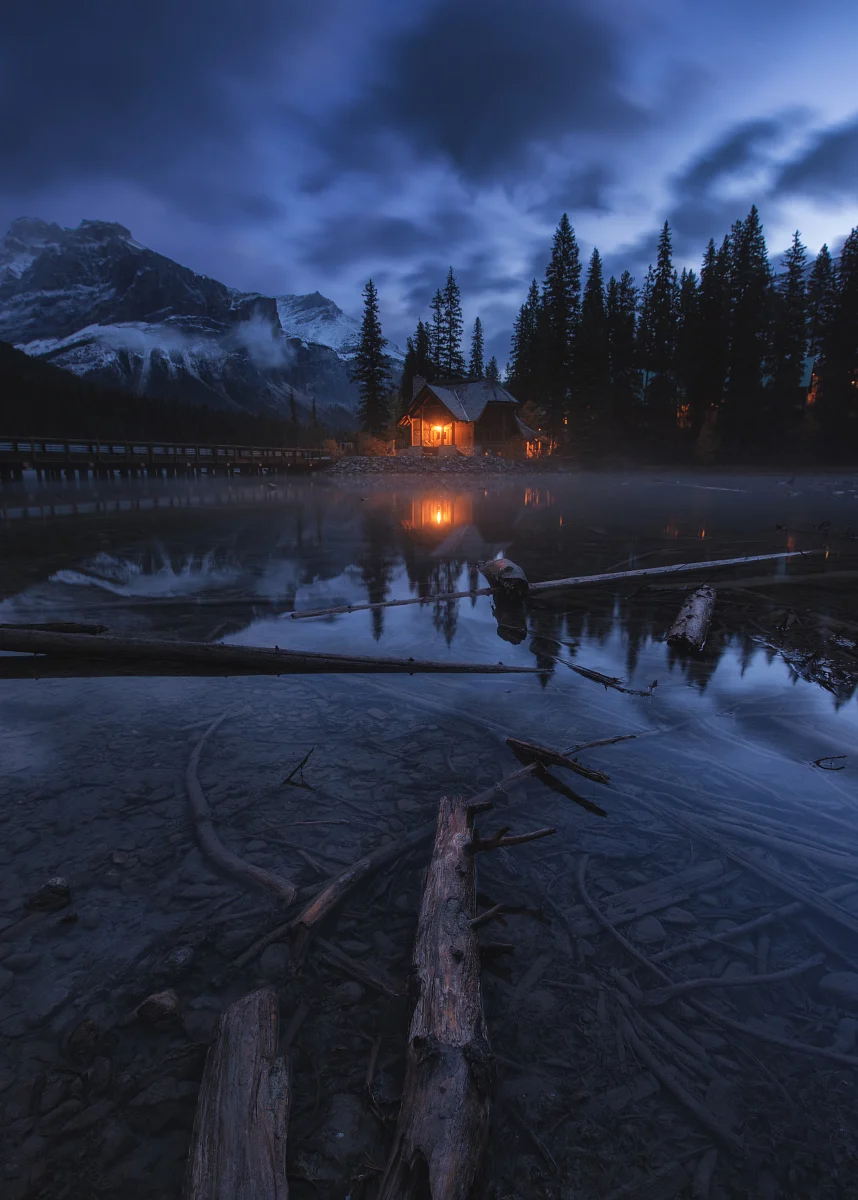
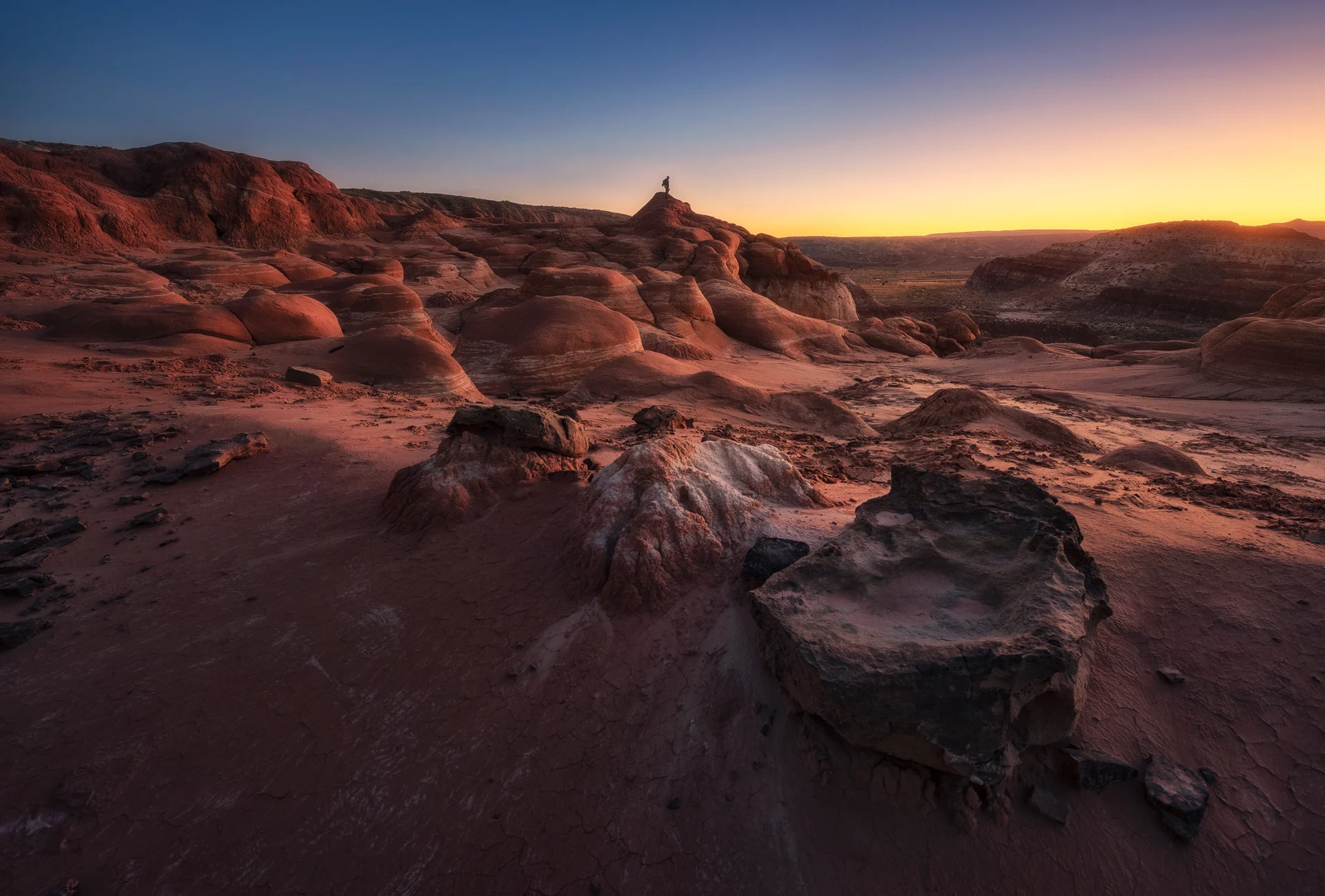
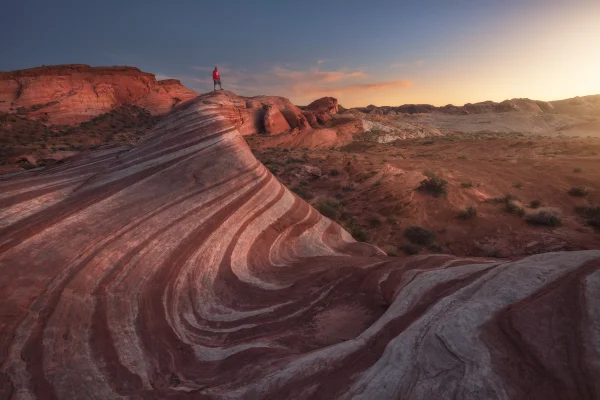
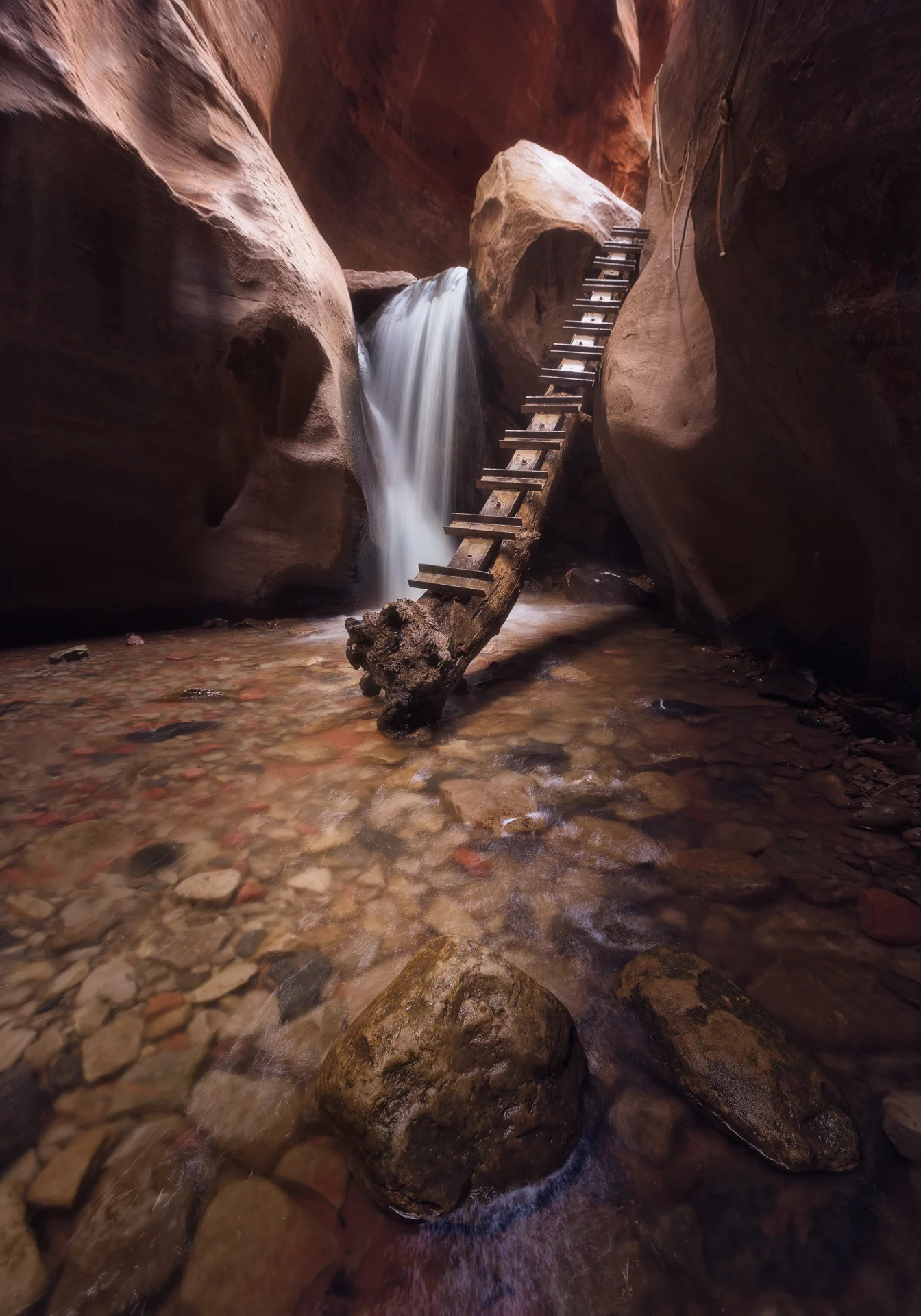
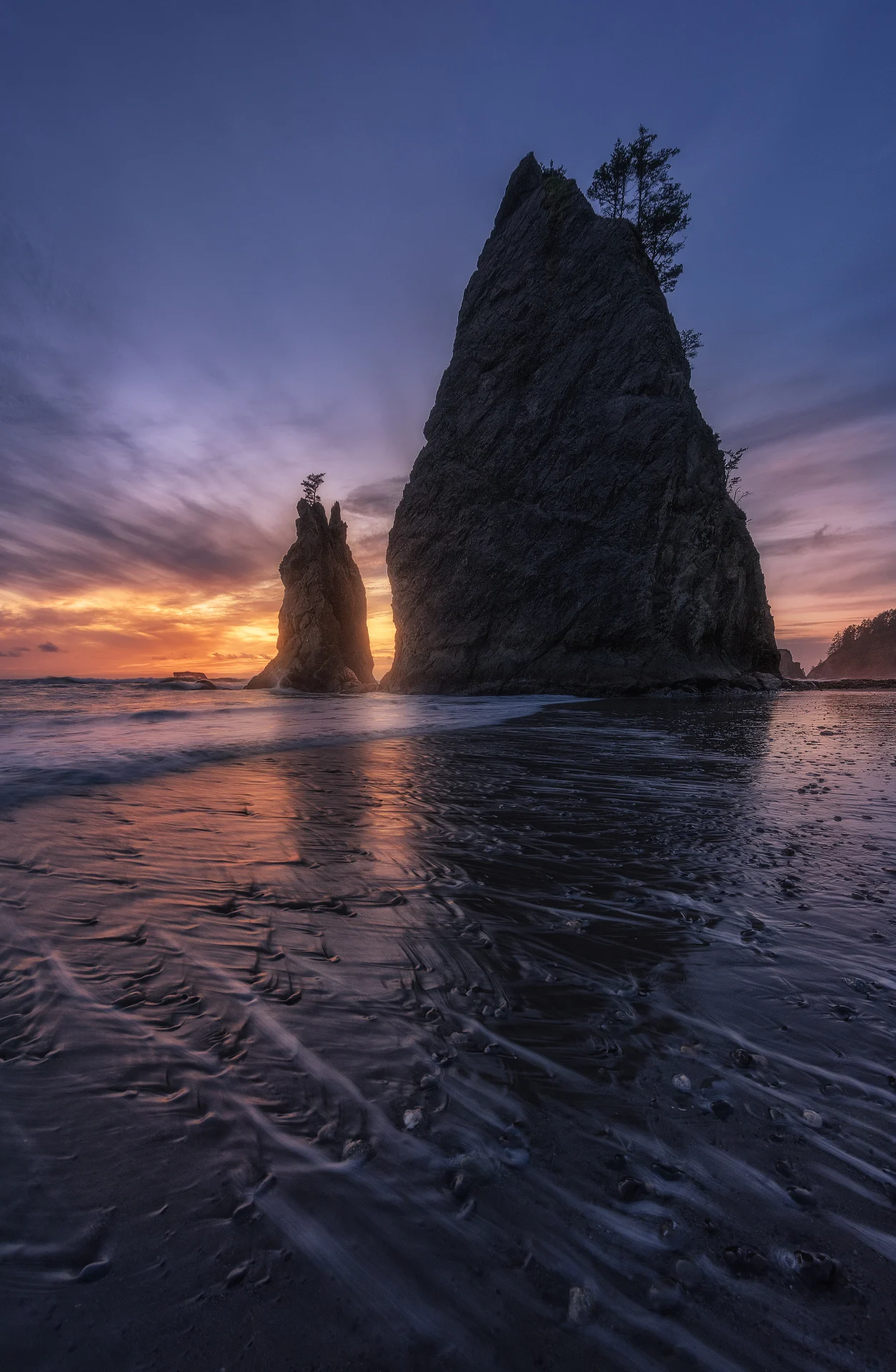
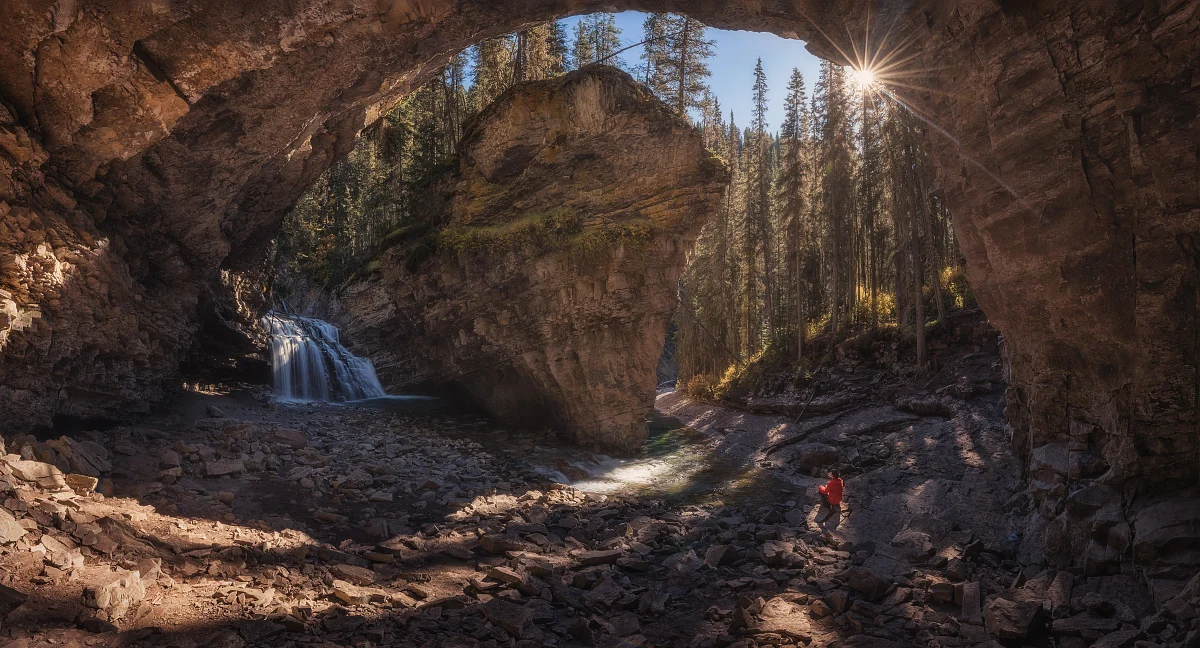
During that trip, we enjoyed some of the finest natural landscapes we had ever visited. Here is a small gallery of photographs from that road trip.




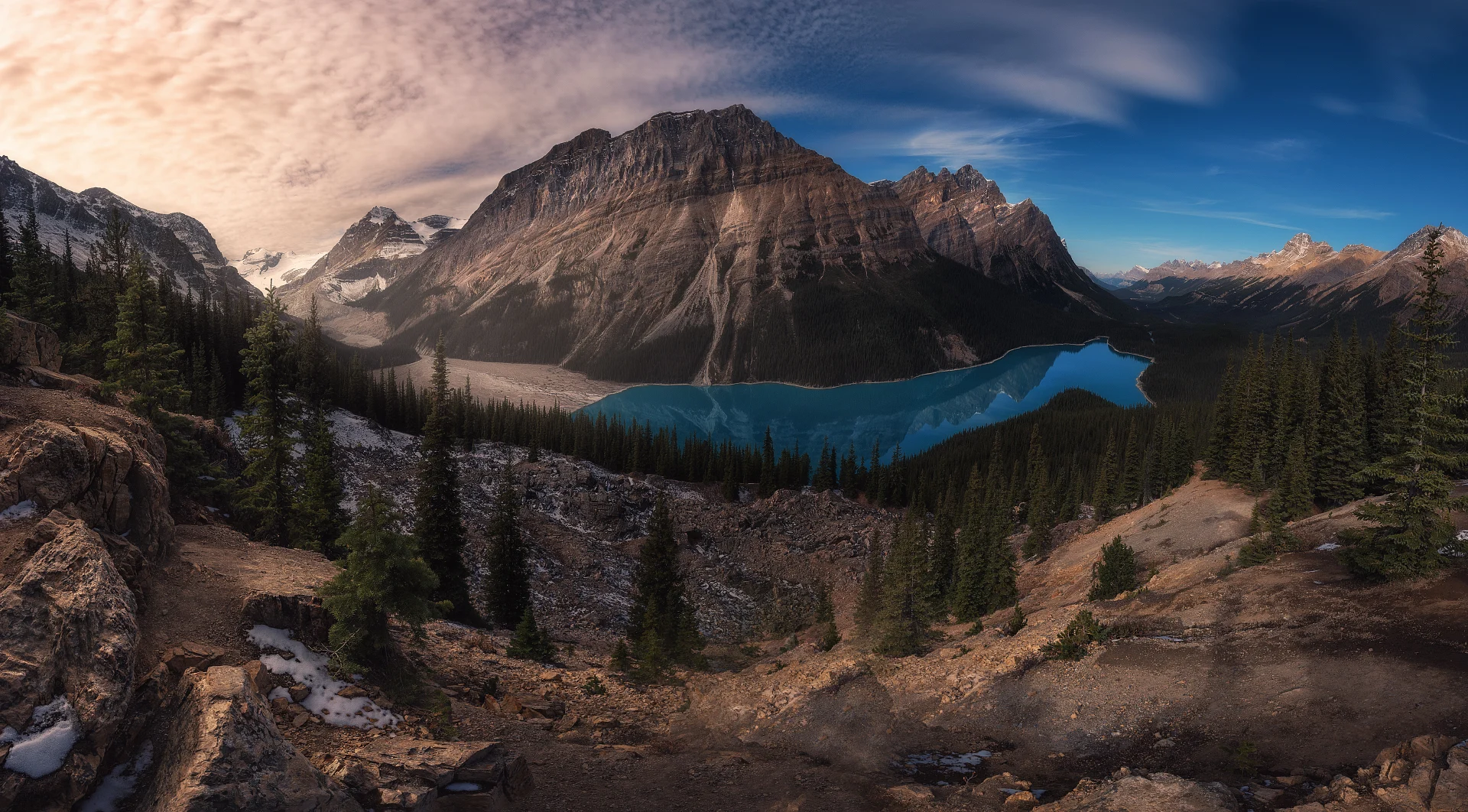
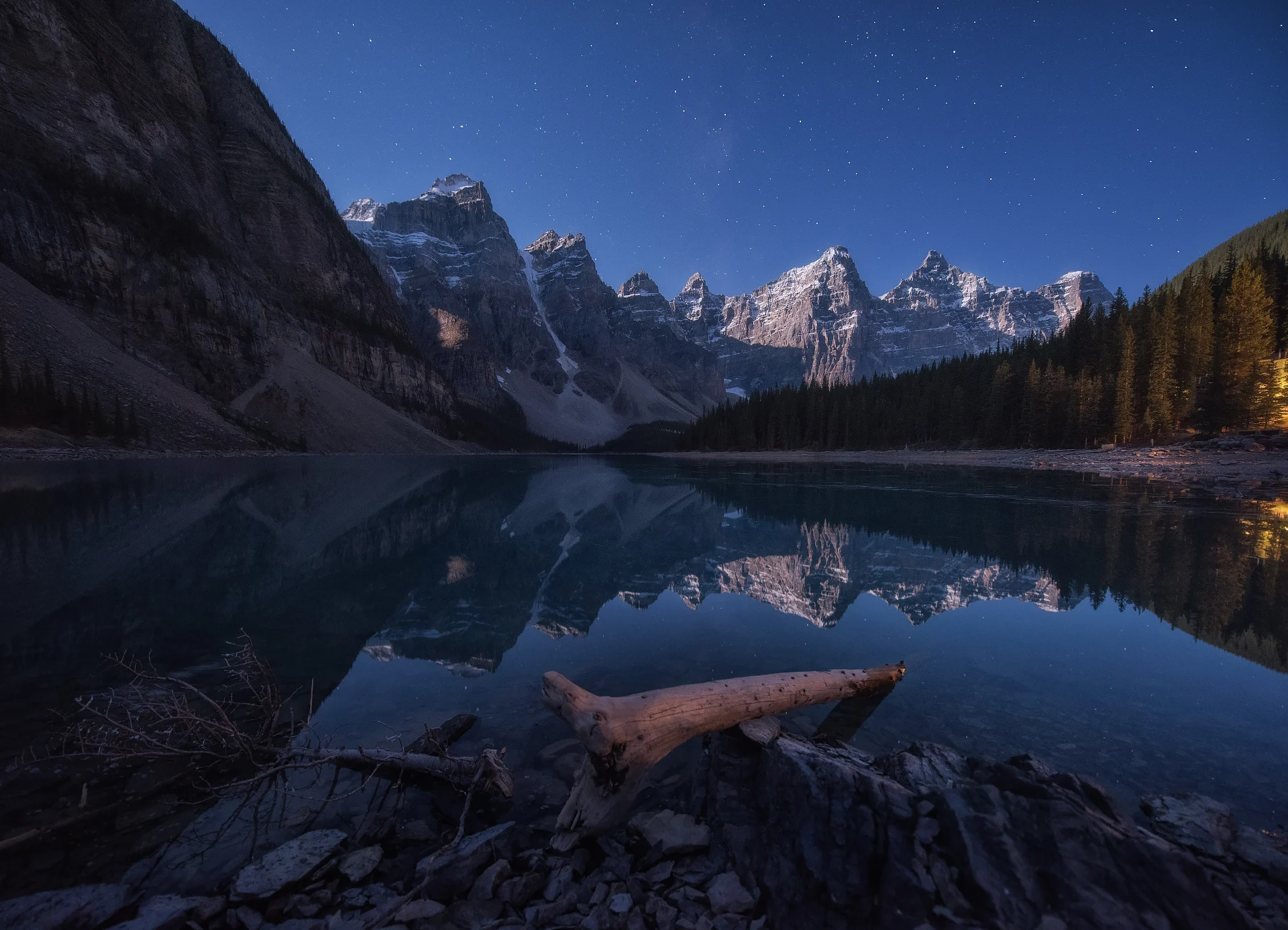
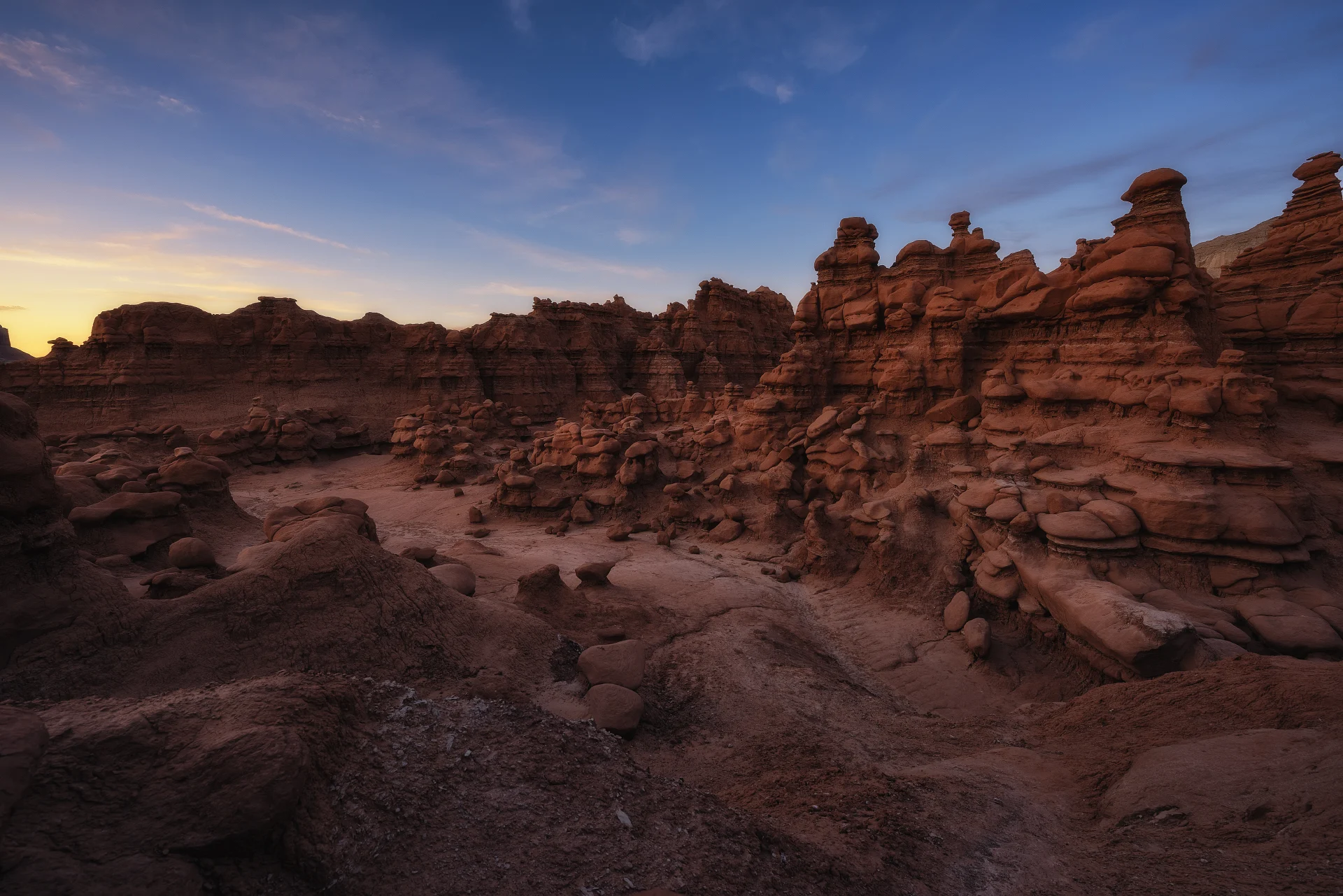


We chose the beautiful city of San Francisco as our final stop, as our flight departed from neighbouring Oakland.
We arrived in San Francisco the day before leaving. We had not planned to explore the city, having already visited it thoroughly in 2014, and preferred to prioritise new places.
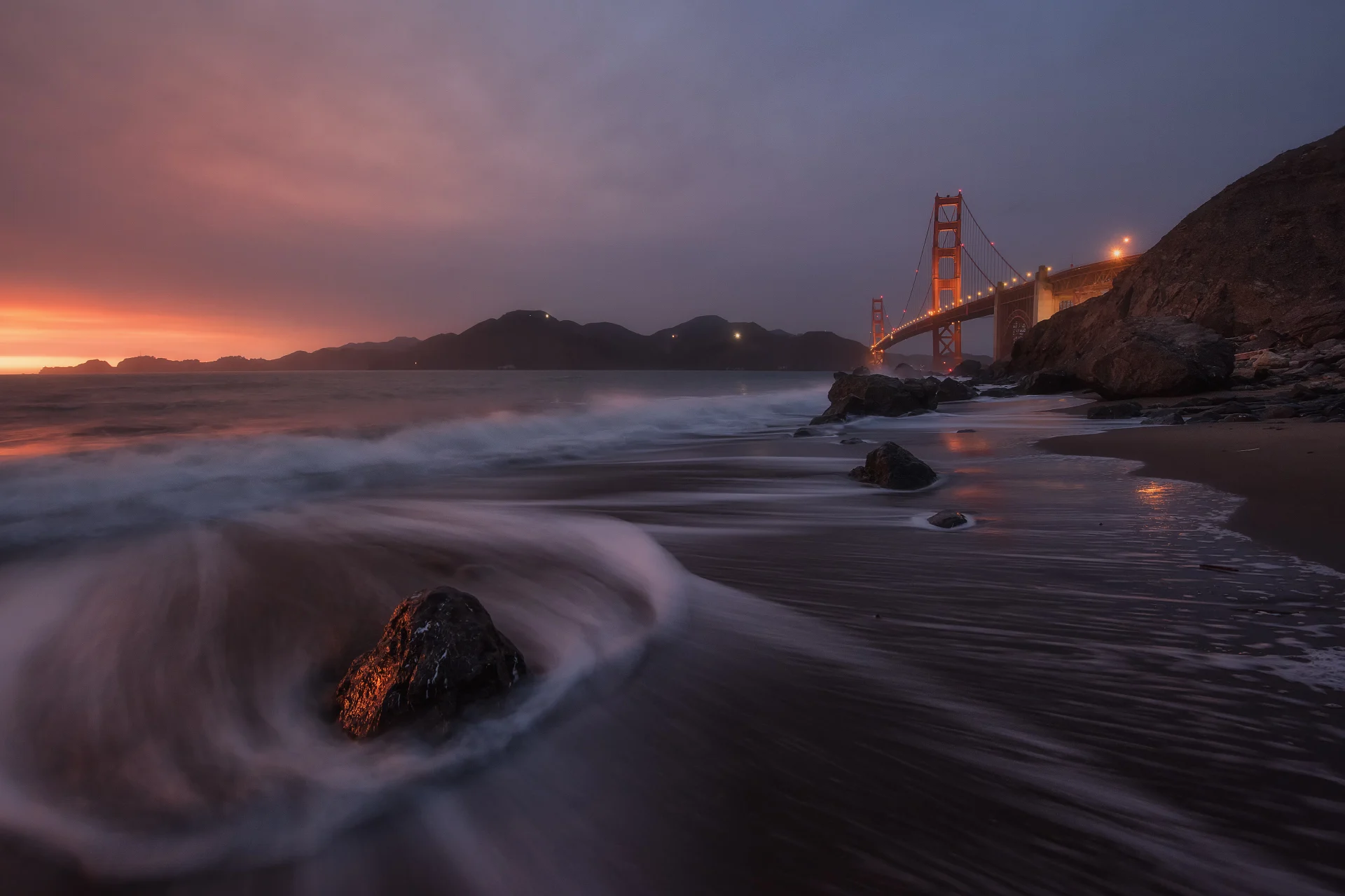
However, I wanted to spend that final afternoon photographing the famous Golden Gate Bridge.
This iconic bridge offers many viewpoints, both from the Golden Gate National Recreation Area outside the city and from the Presidio on the city side.
One spot caught my attention after I saw photographs by leading photographers such as Michael Shainblum. On the western side of the Presidio, Marshall’s Beach is full of rocks that are perfect for combining coastal photography with the bridge in the background.
As I was unsure how to reach the beach, we allowed plenty of time and parked in the closest car park, Langdon Court Parking.
After searching for a way down, we found a steep, loose-gravel path near a viewpoint. Running short of time, we descended very carefully to avoid falling or sliding down the slope.
We later discovered a much easier route down with steps, just a little further in the opposite direction from the bridge.
TAKING THE PHOTOGRAPH
Once on the beach, we looked for compositions. With so many rocks, that was fairly straightforward.
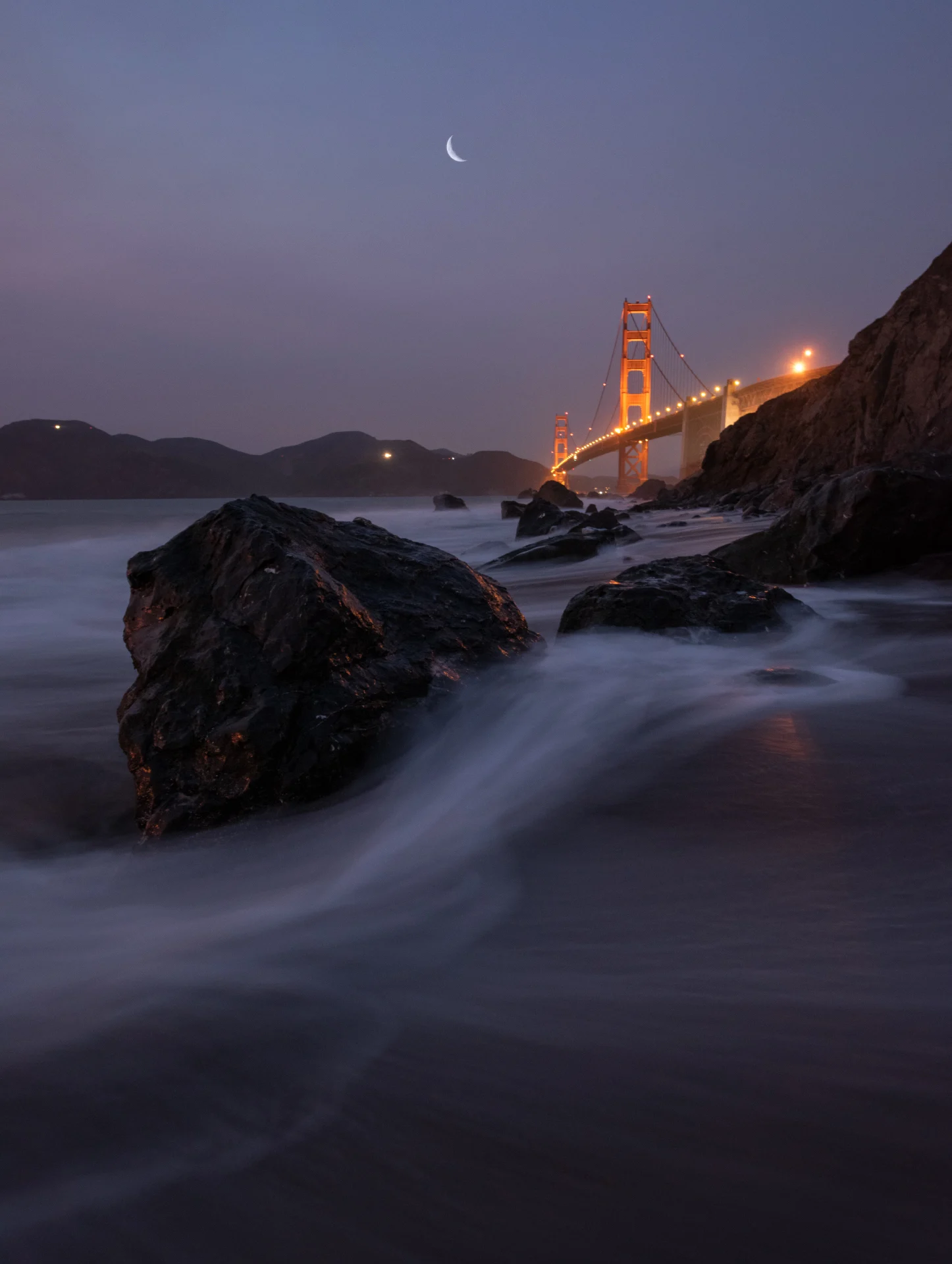
At the time, wildfires across California had filled the air and sky with smoke. This gave some interest to an otherwise featureless sky, apart from the moon, which moved into an excellent position towards the end of the shoot.
As the tide rose, the beach became smaller and smaller, and the light faded considerably. The photograph featured here was among my last shots, almost at blue hour.
The low light required a fairly high ISO of 1600 and a relatively long exposure. I wanted to keep the Nikon 14–24 lens at its sweet spot of f/8 while achieving a well-exposed image.
A large rock caught my eye: as the waves receded, they created striking water trails around it. I chose a vertical composition so the water would run diagonally out of the lower-left corner, guiding the eye along the trails towards the bridge and its newly illuminated lights.
POST-PROCESSING
First, I stretched the image slightly to give it a more vertical feel and make the bridge and large rock more prominent.
As the RAW file shows, almost none of the sunset colour remained. My first task was to introduce sunset light from the left, casting warmth onto the rock, sky and coastline.
I then used dodge and burn to accentuate light and shadow, creating natural contrast by darkening areas beyond the sunset light and brightening those it reached.
The most important step was colour management: finding a balance between the warm and magenta tones in one part of the image and the cooler, greenish tones in the darker areas.
Finally, Nik Software filters and the Orton effect gave the image its finishing touch. This edit made the photograph much more compelling.
IF YOU WOULD LIKE TO LEARN THE EDITING TECHNIQUES I USED FOR THIS IMAGE, HERE ARE MY DAYTIME PHOTOGRAPHY EDITING TUTORIALS:
LOCATION