Features
LumixG Photographic Challenge: A different kind of competition
There are literally thousands of photography competitions in Spain and around the world. I enjoy taking part because they help me measure my progress…
 By Julio Castro11 min read
 There are literally thousands of photography competitions in Spain and around the world. I enjoy taking part because they help me measure my progress and motivate me to keep improving.
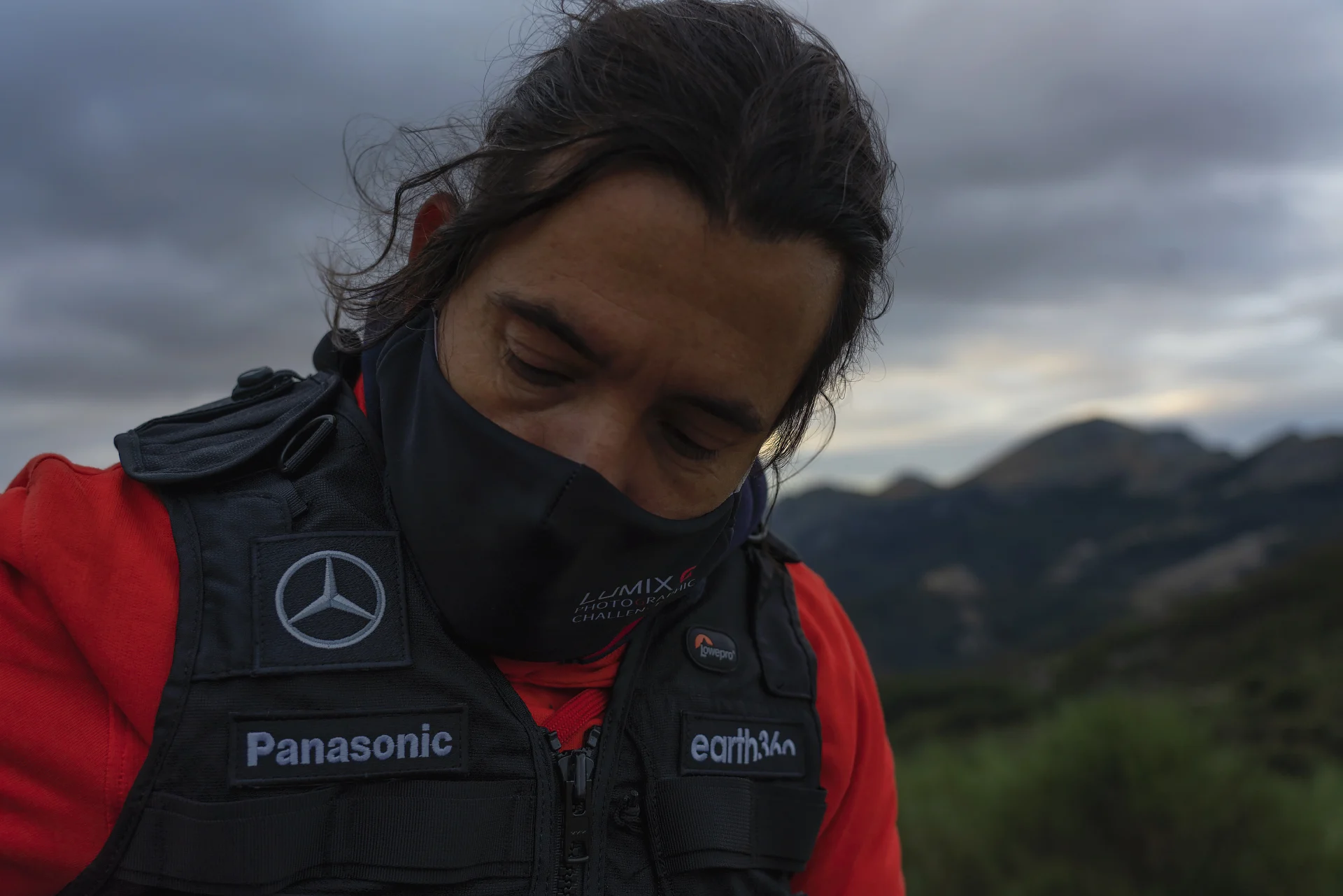
One day, Carlos Caraglia, a Panasonic ambassador and owner of the audiovisual production company Earth 360 , asked whether I would judge a photography competition he had created, which he said was completely different from any other.
Having now judged two editions of the LumixG Photographic Challenge , I can confirm that Carlos was absolutely right. Today I will explain how it works, what makes it different and my experience as a judge over the past two years.
THE COMPETITION
Unlike most competitions, entrants do not submit photographs they have already taken on a particular theme for judges to assess.
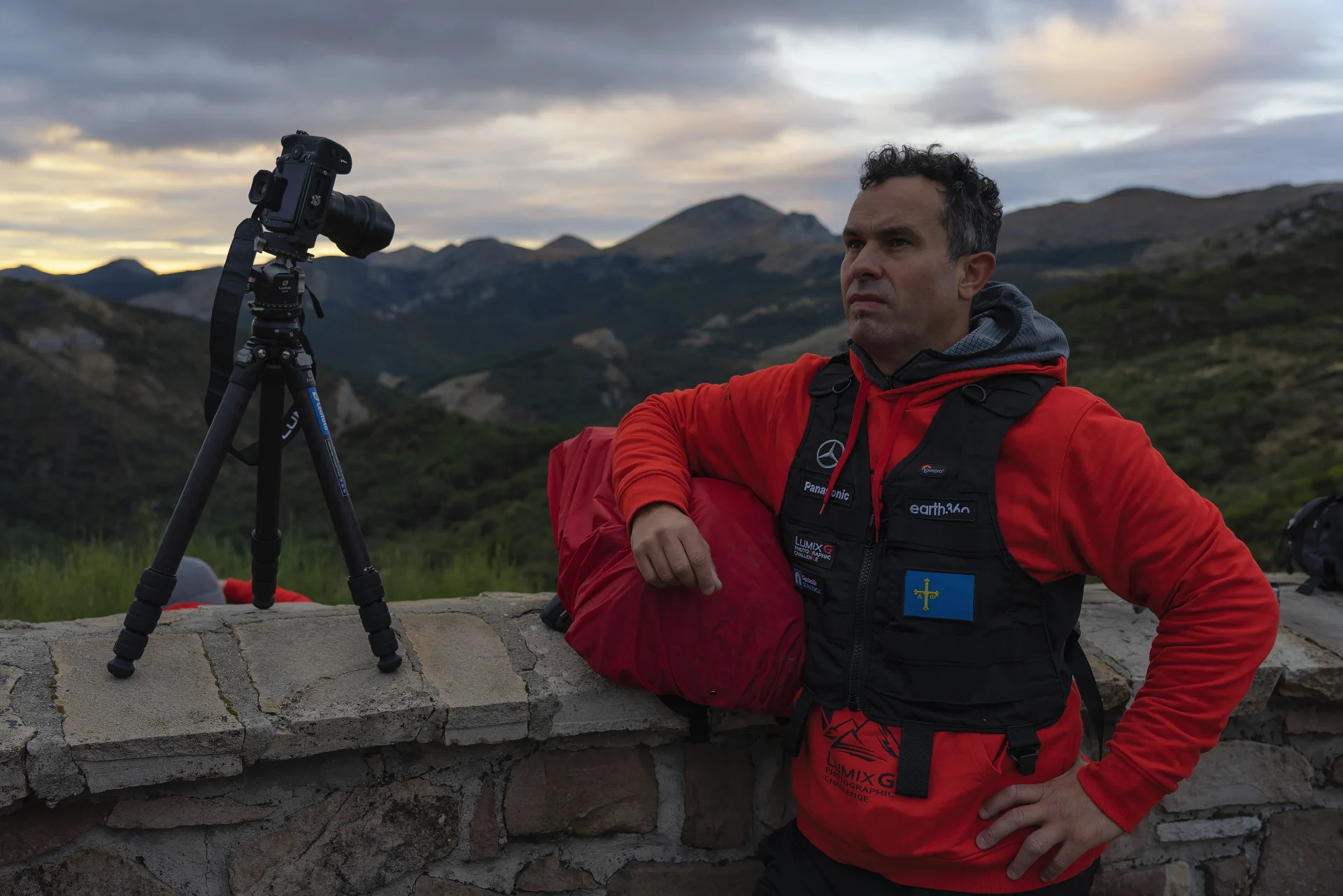
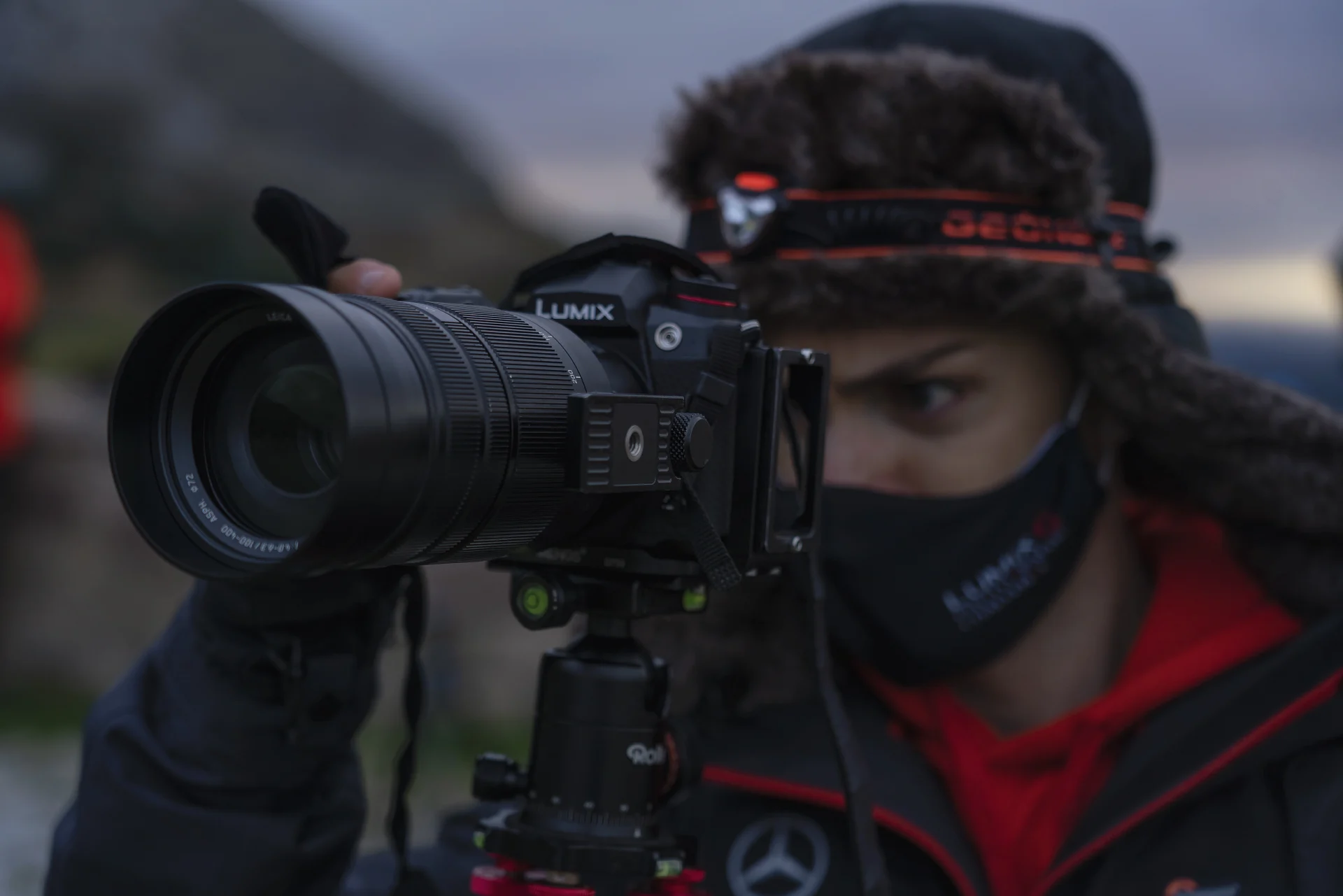
The LumixG Challenge starts from a different principle: EQUALITY. All participants use the same cameras and equipment, and their photographs are taken on the same day, at the same time and in the same place.
Let us take a closer look at how it works.
The competition is organised as a Spanish championship between the autonomous communities. Entrants represent one of the 17 regions. Three photographers from each region are selected for its qualifying round, based on the quality of the photographs submitted with their applications.
The three selected entrants are invited at a specified date and time and taken to the competition location, which is kept secret by the organisers.
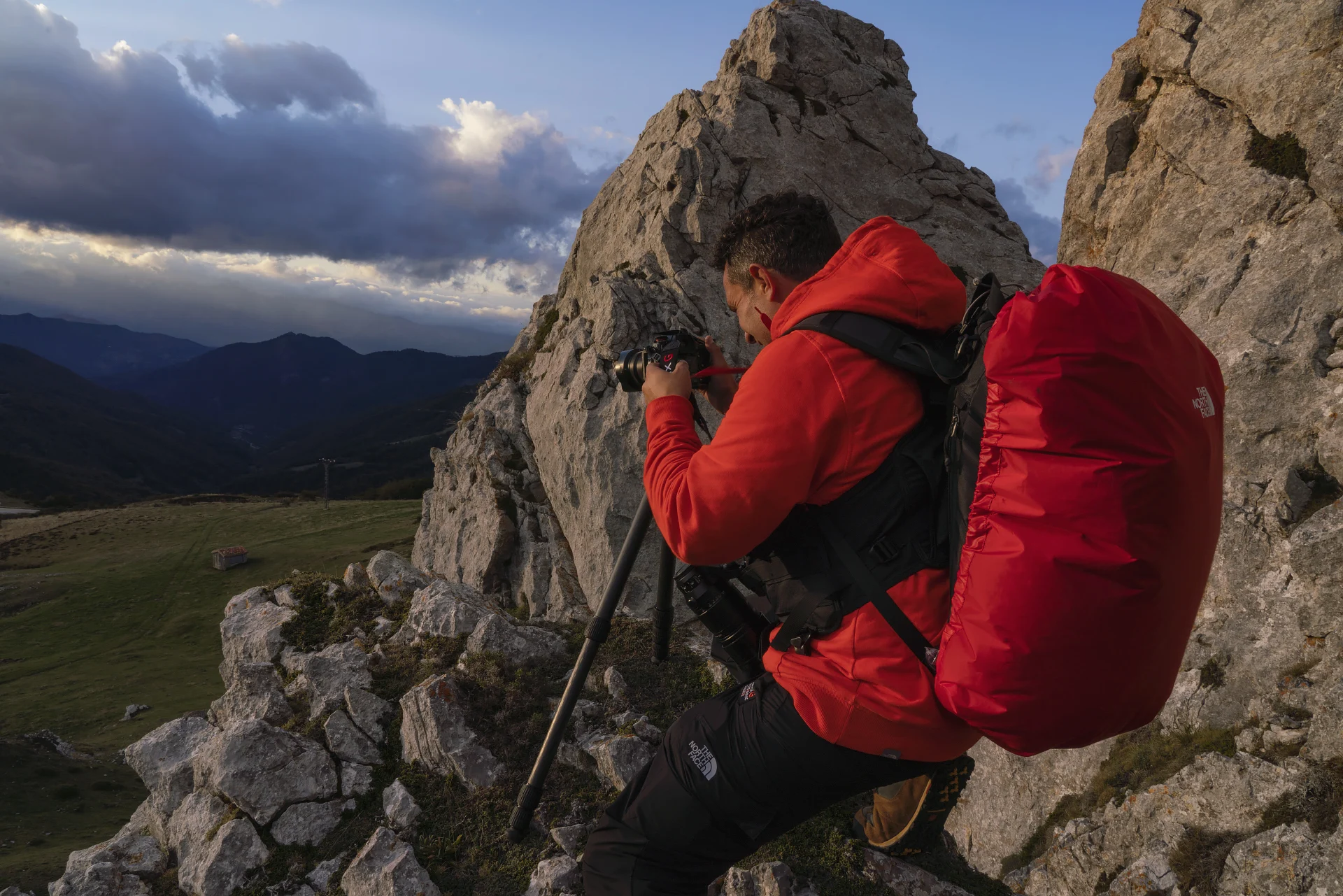
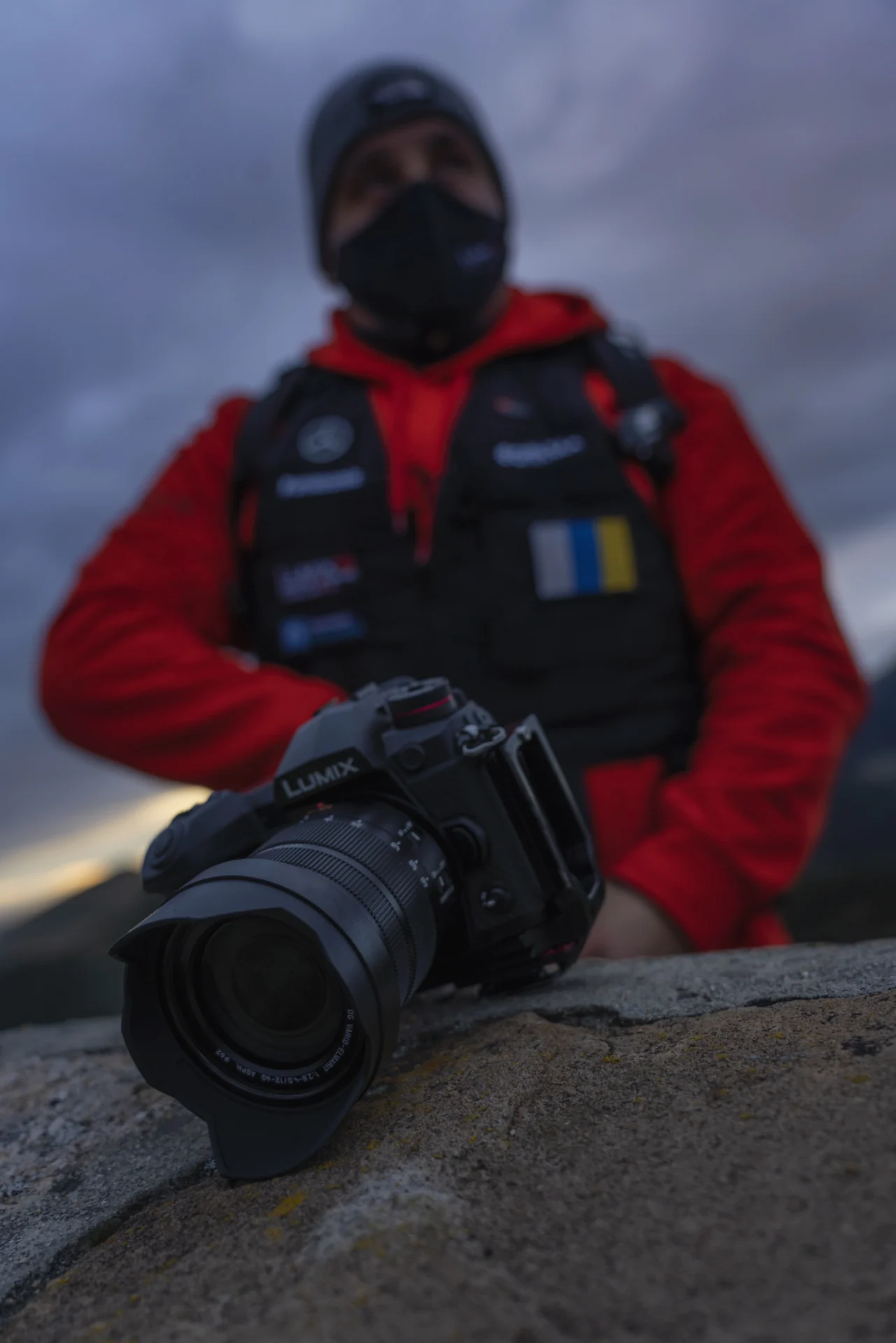
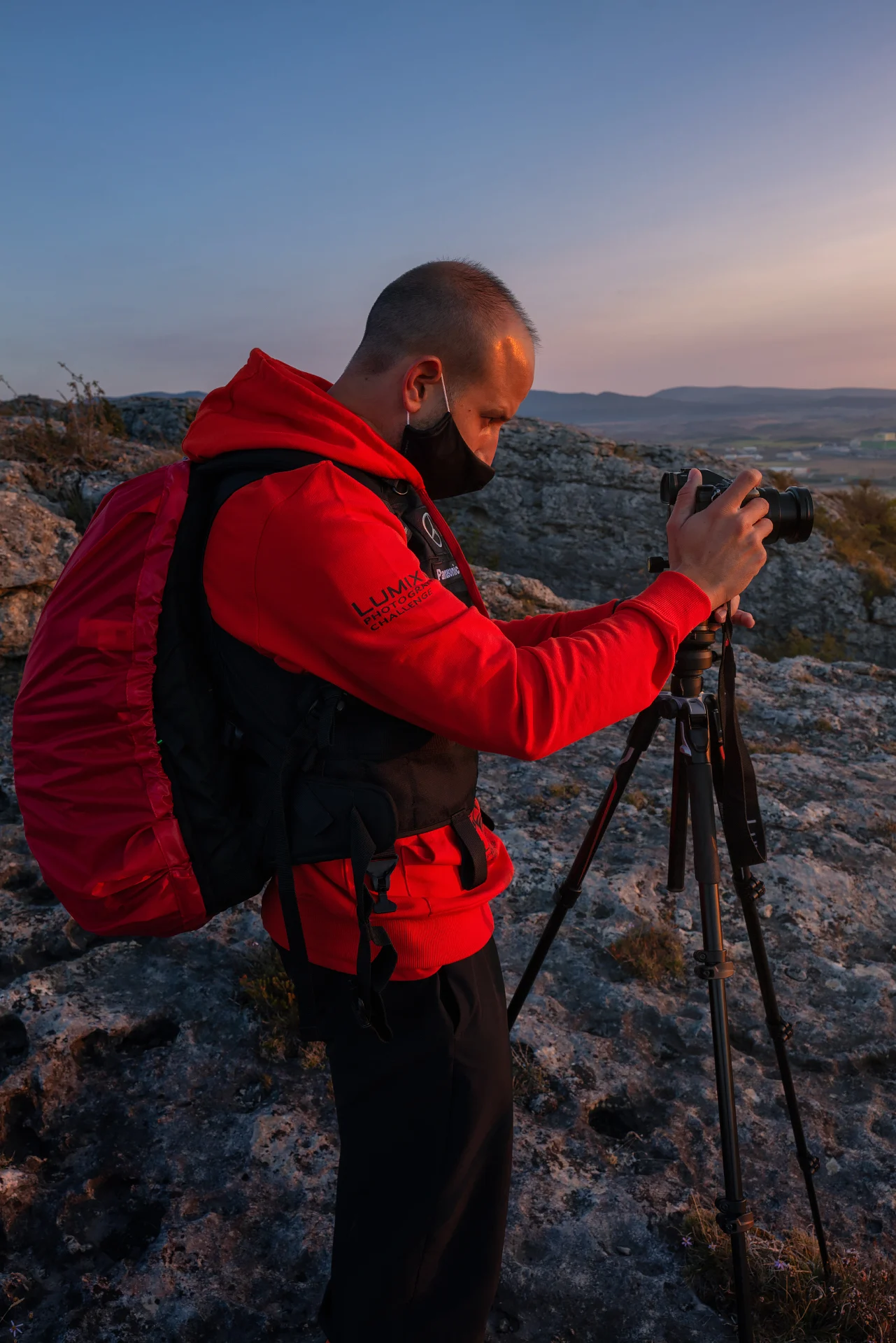
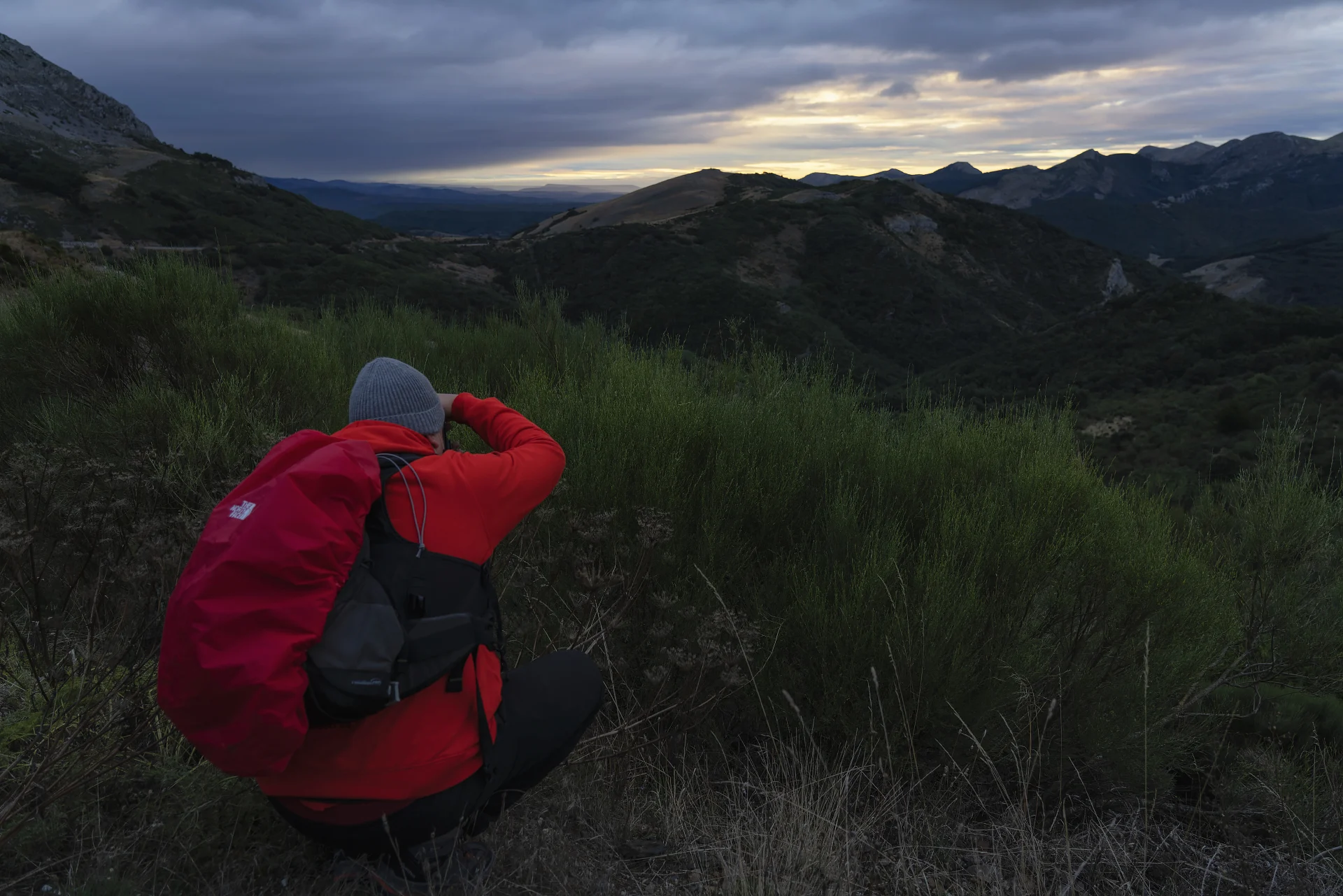
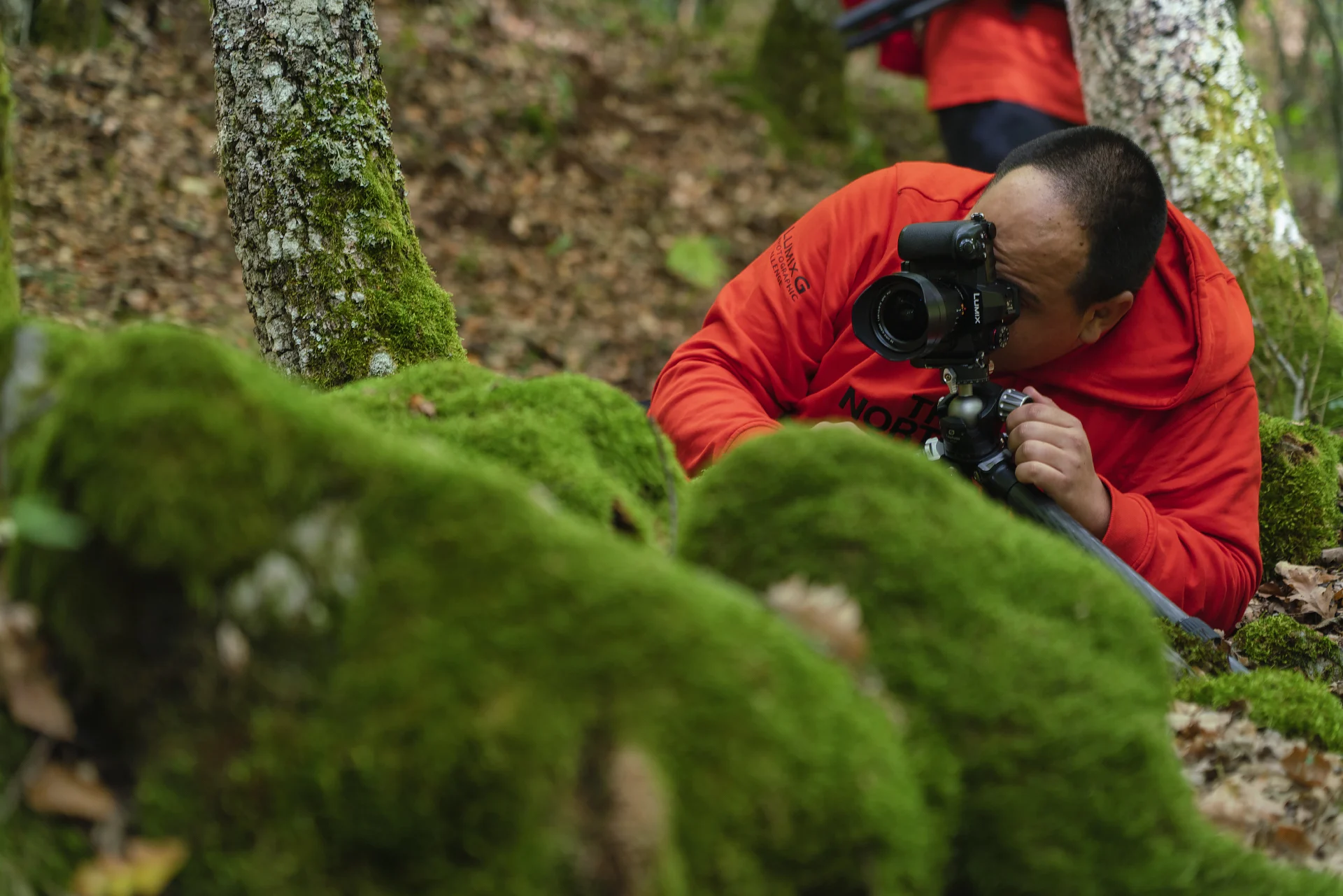
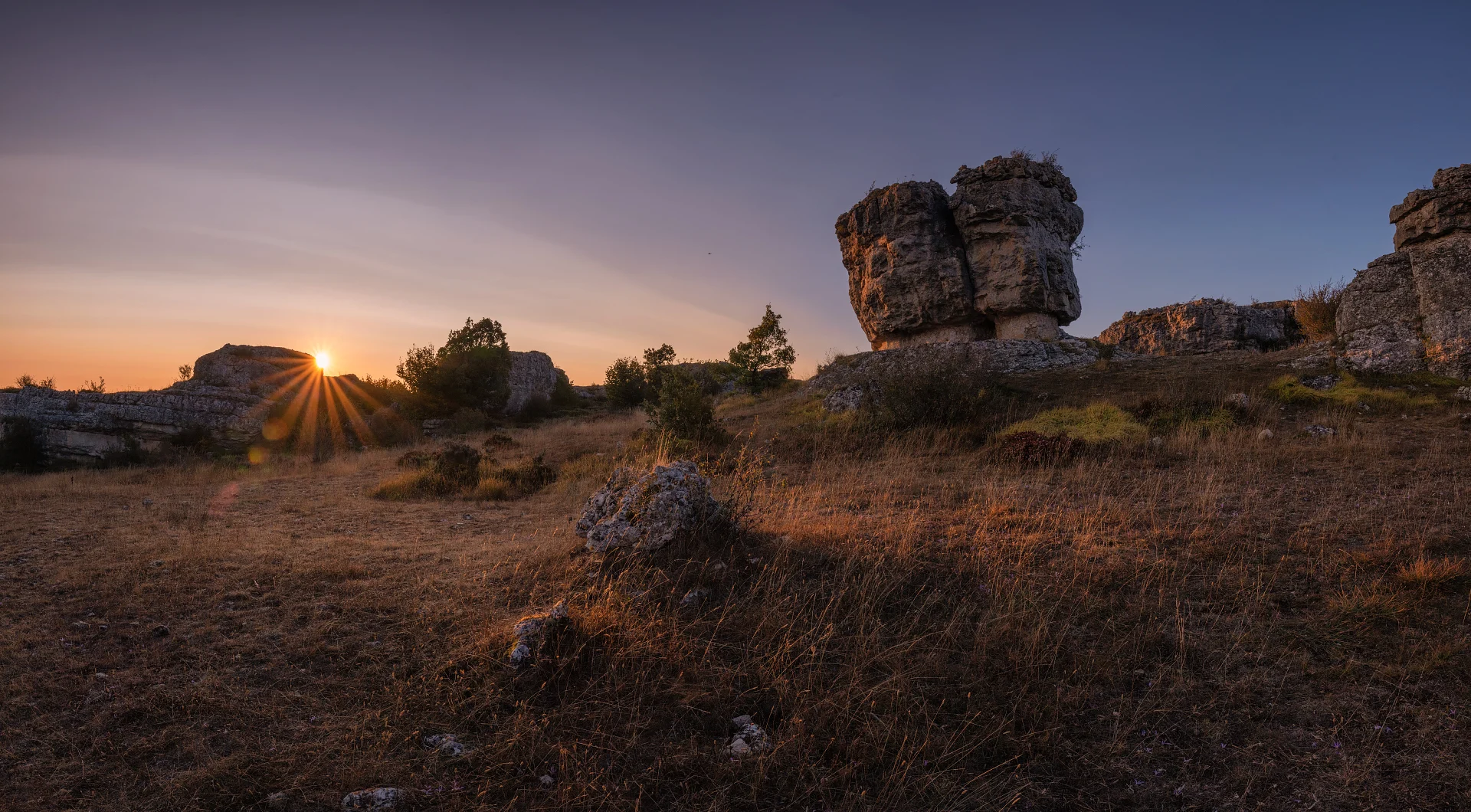
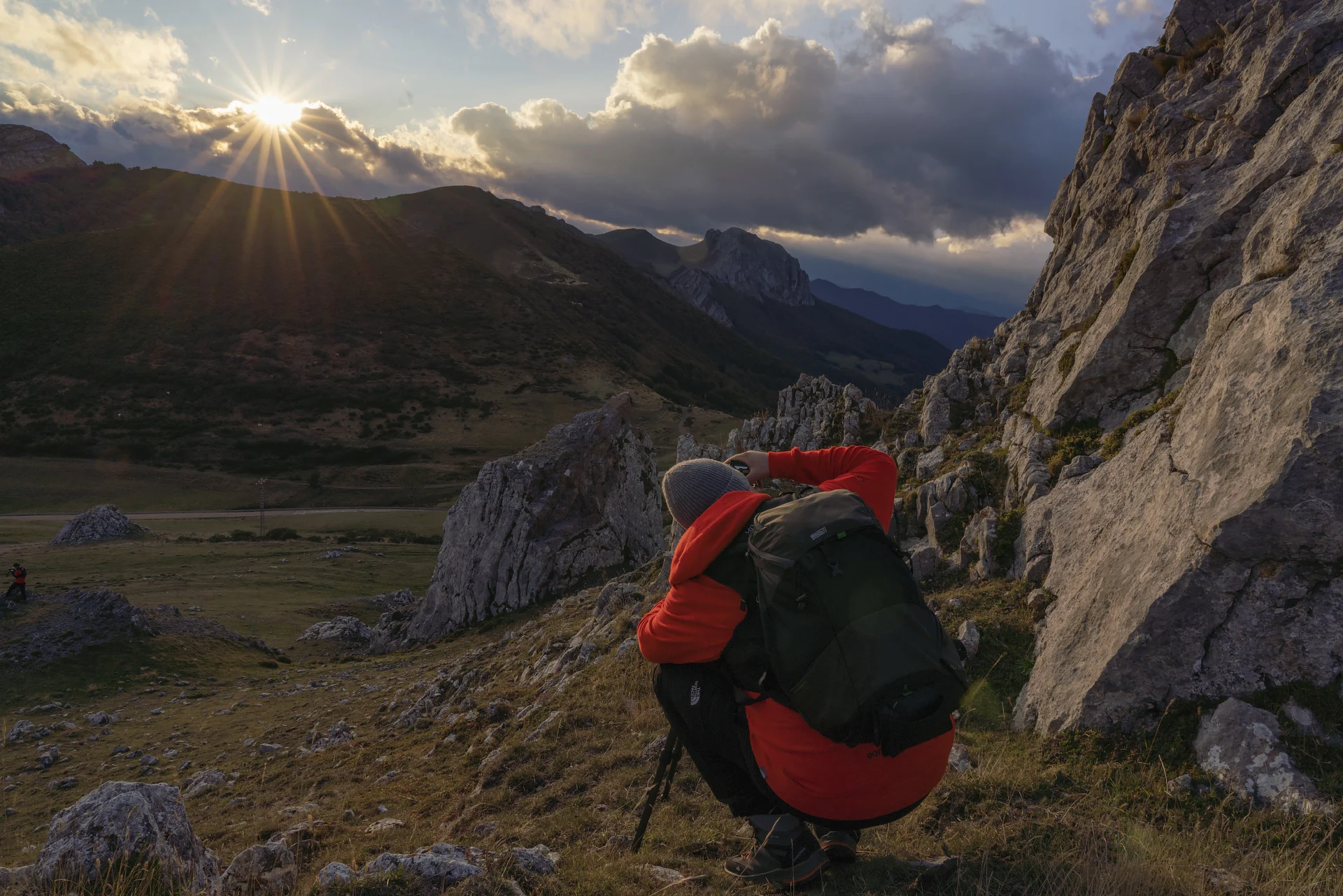
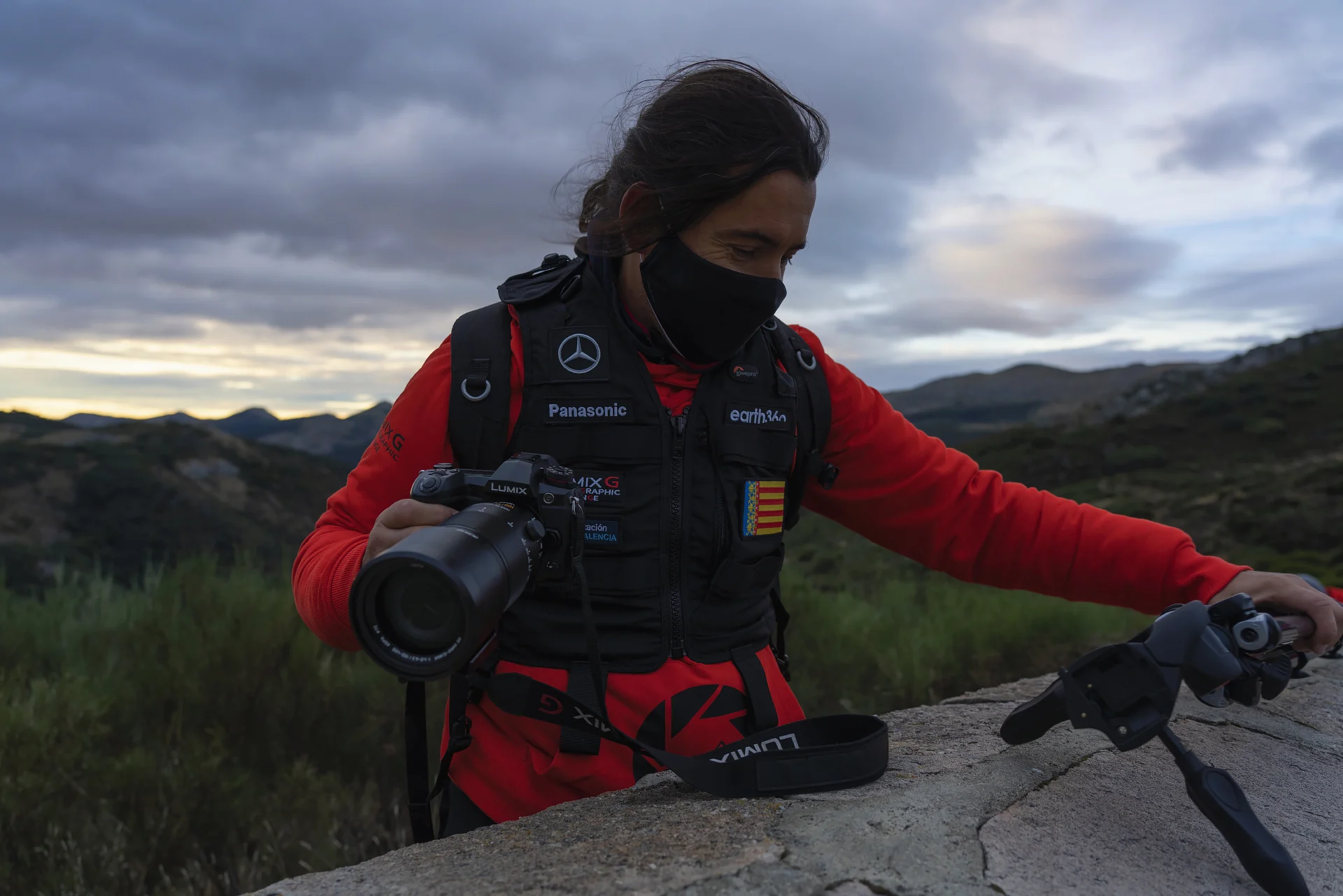
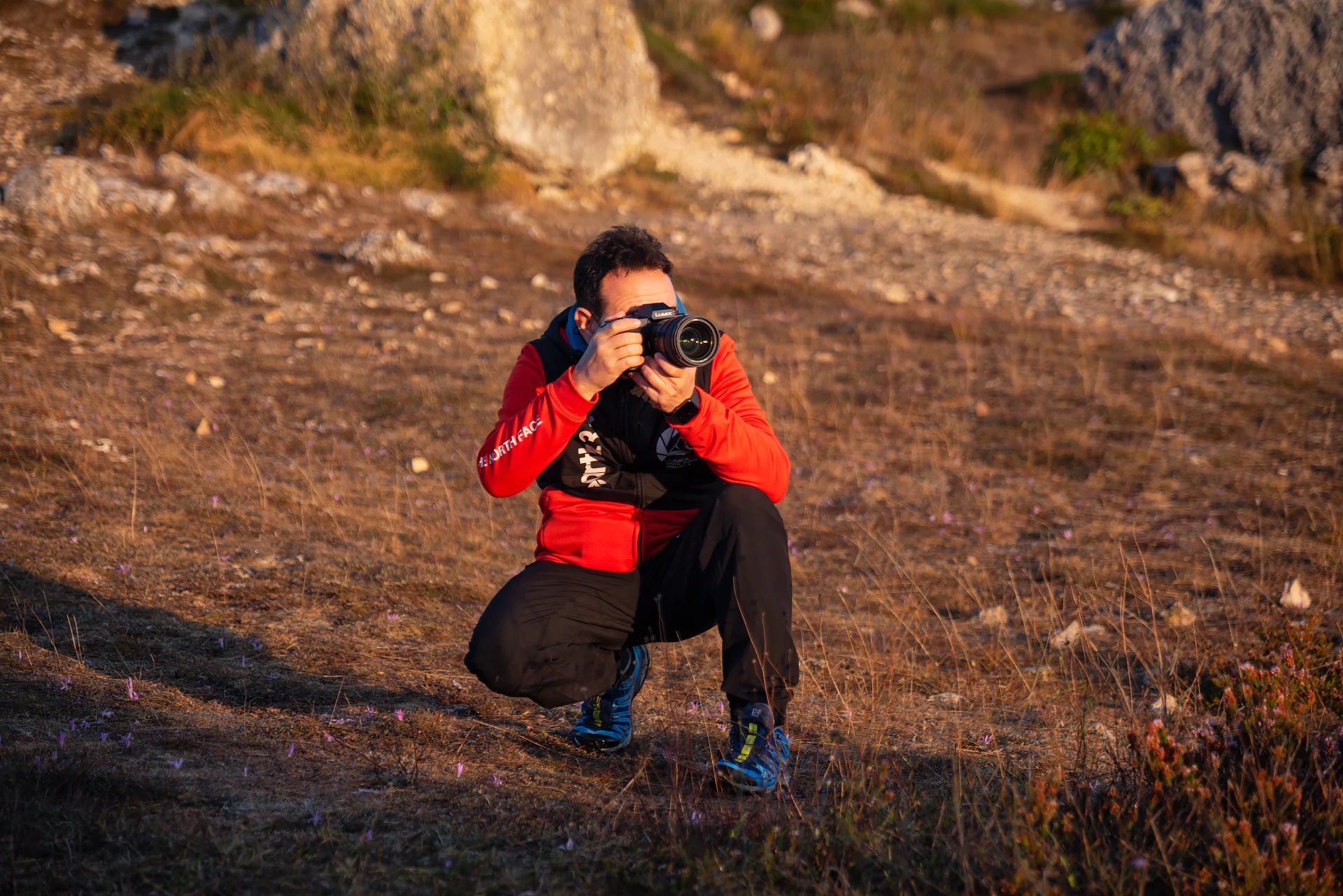
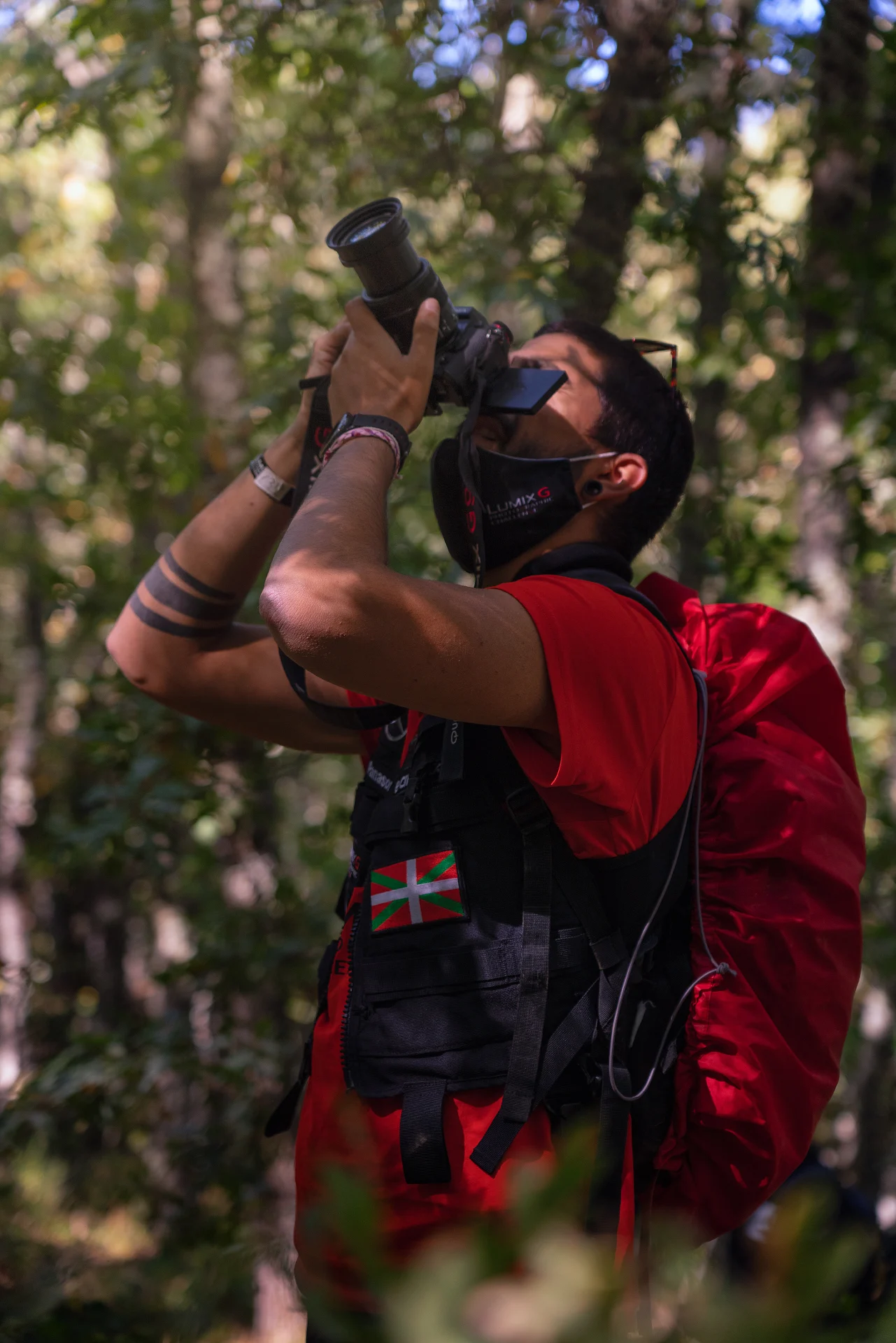
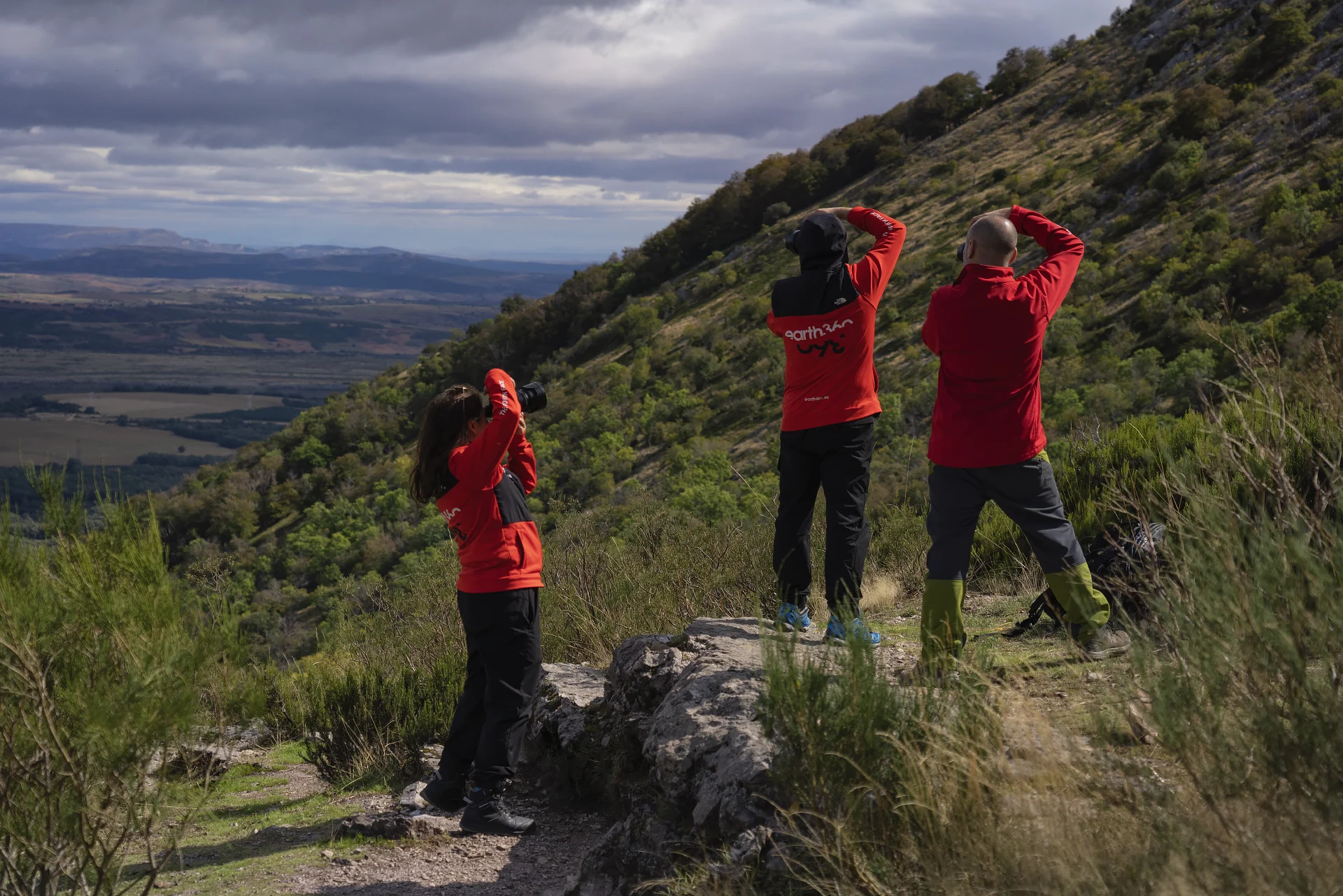
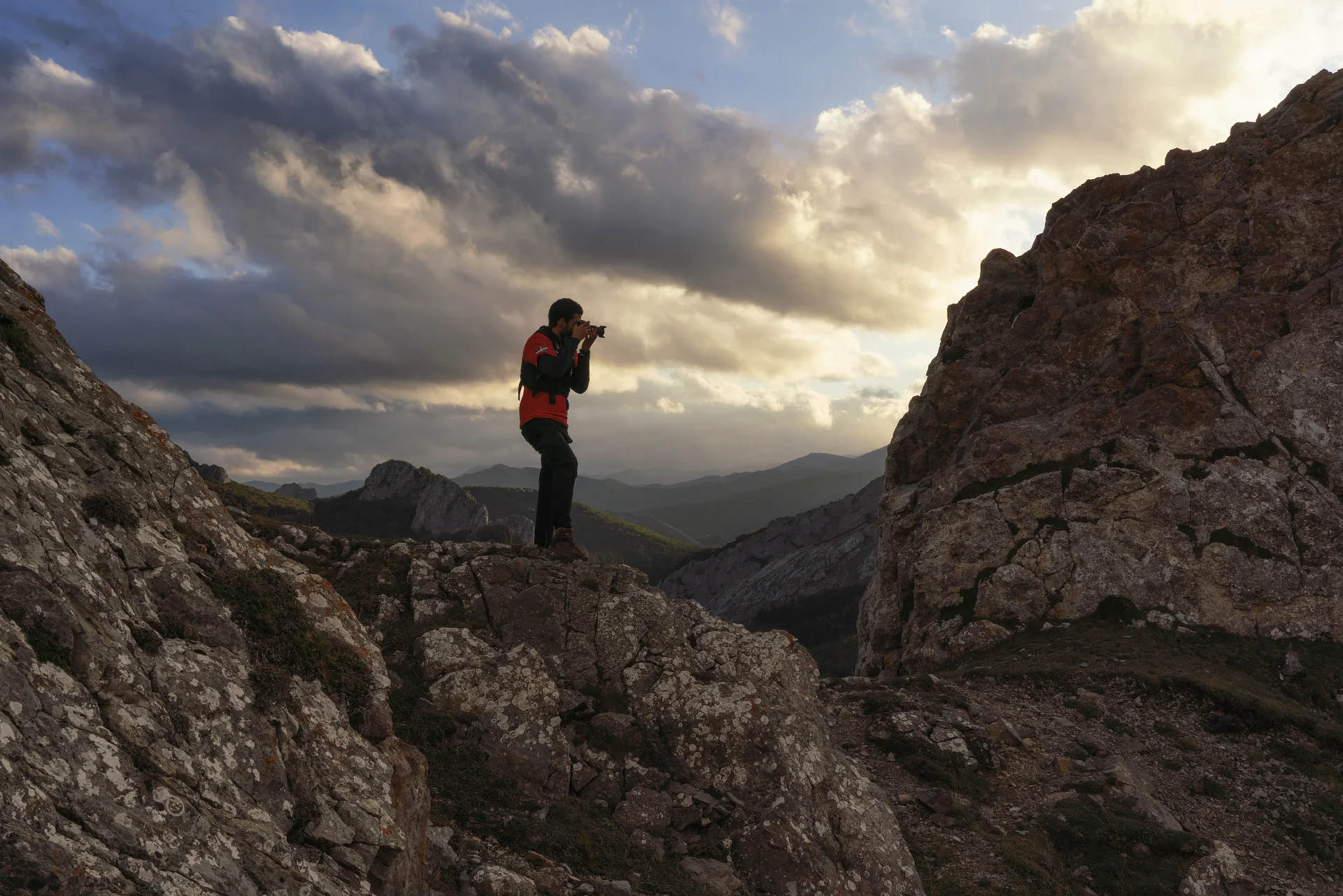
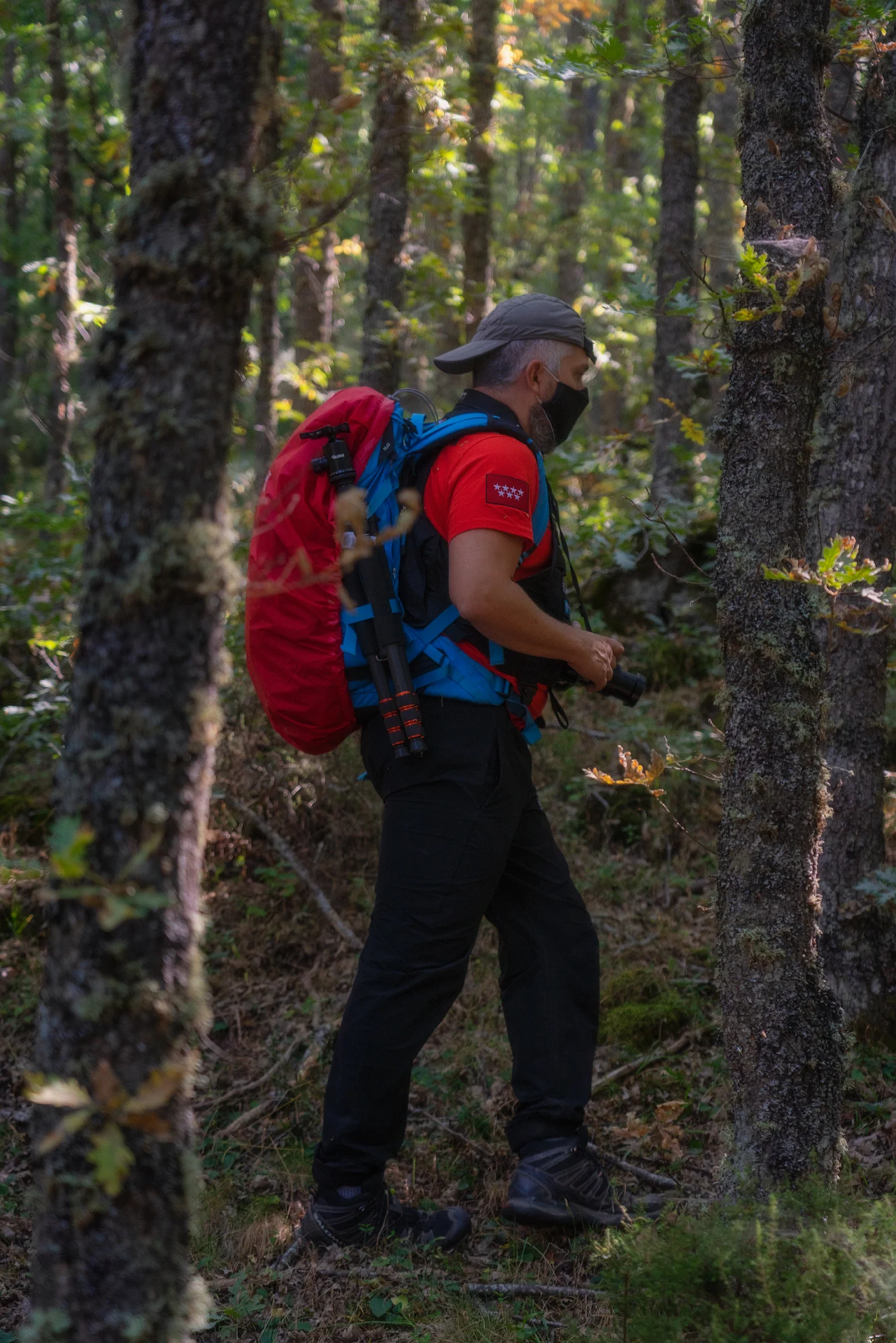
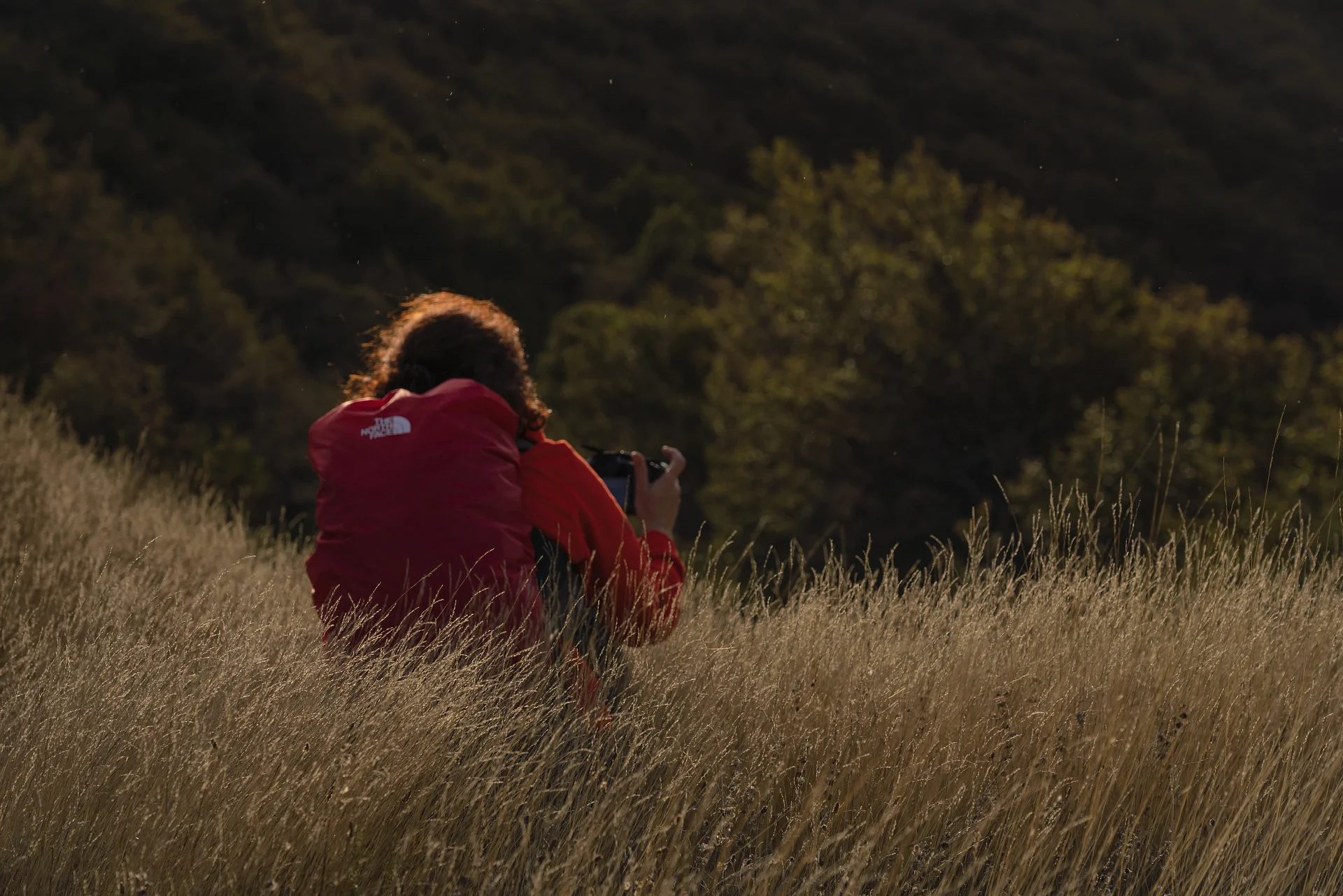
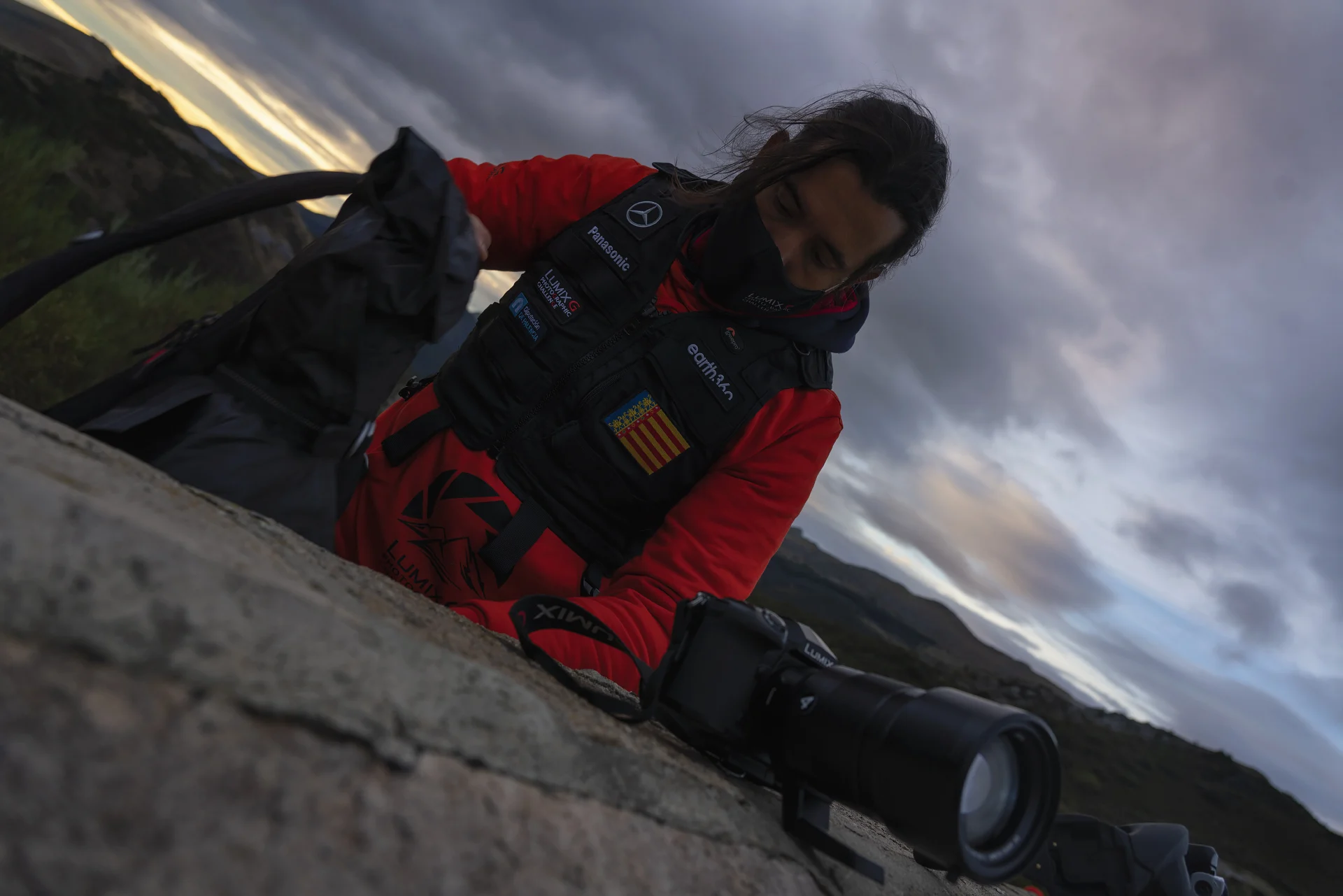
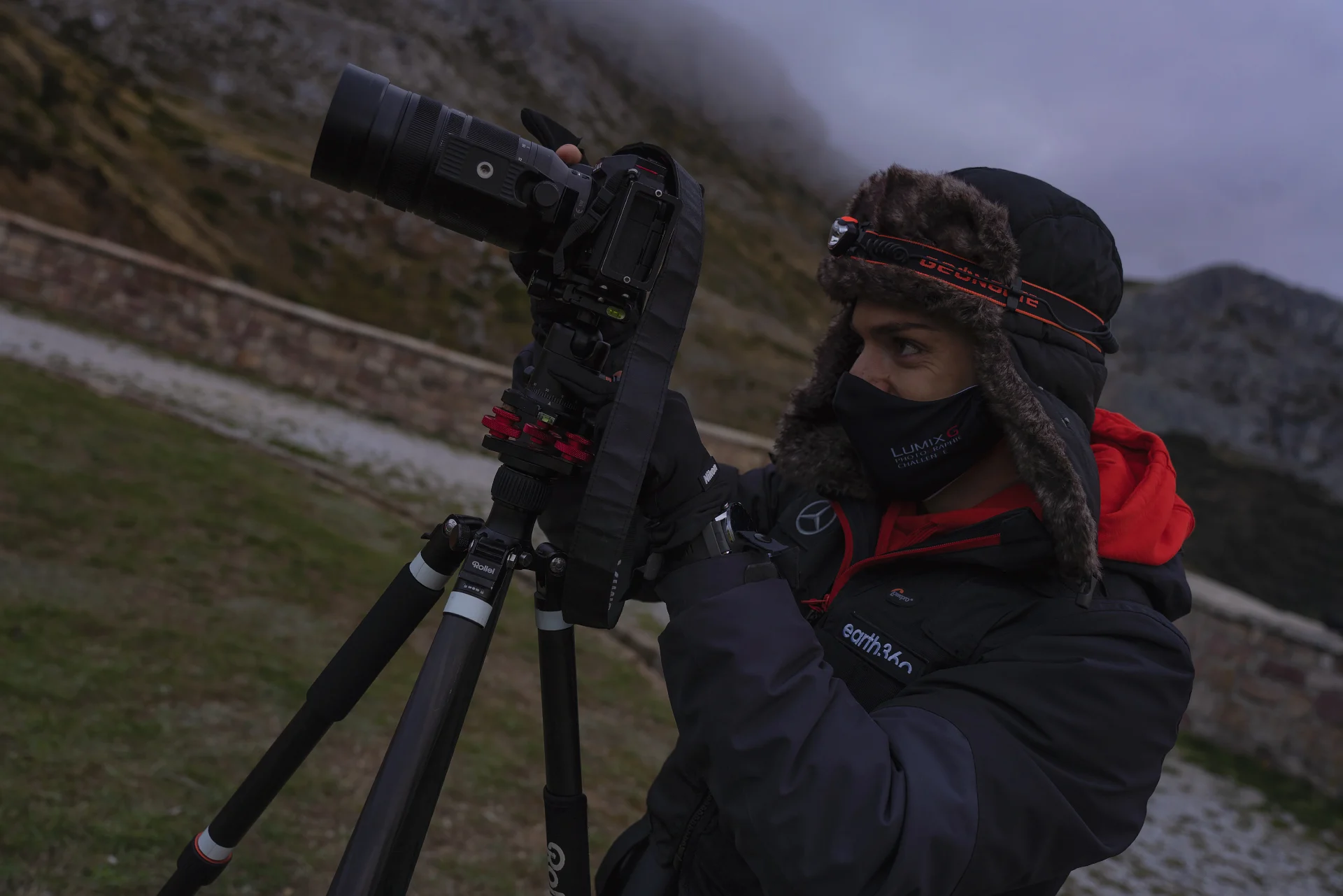
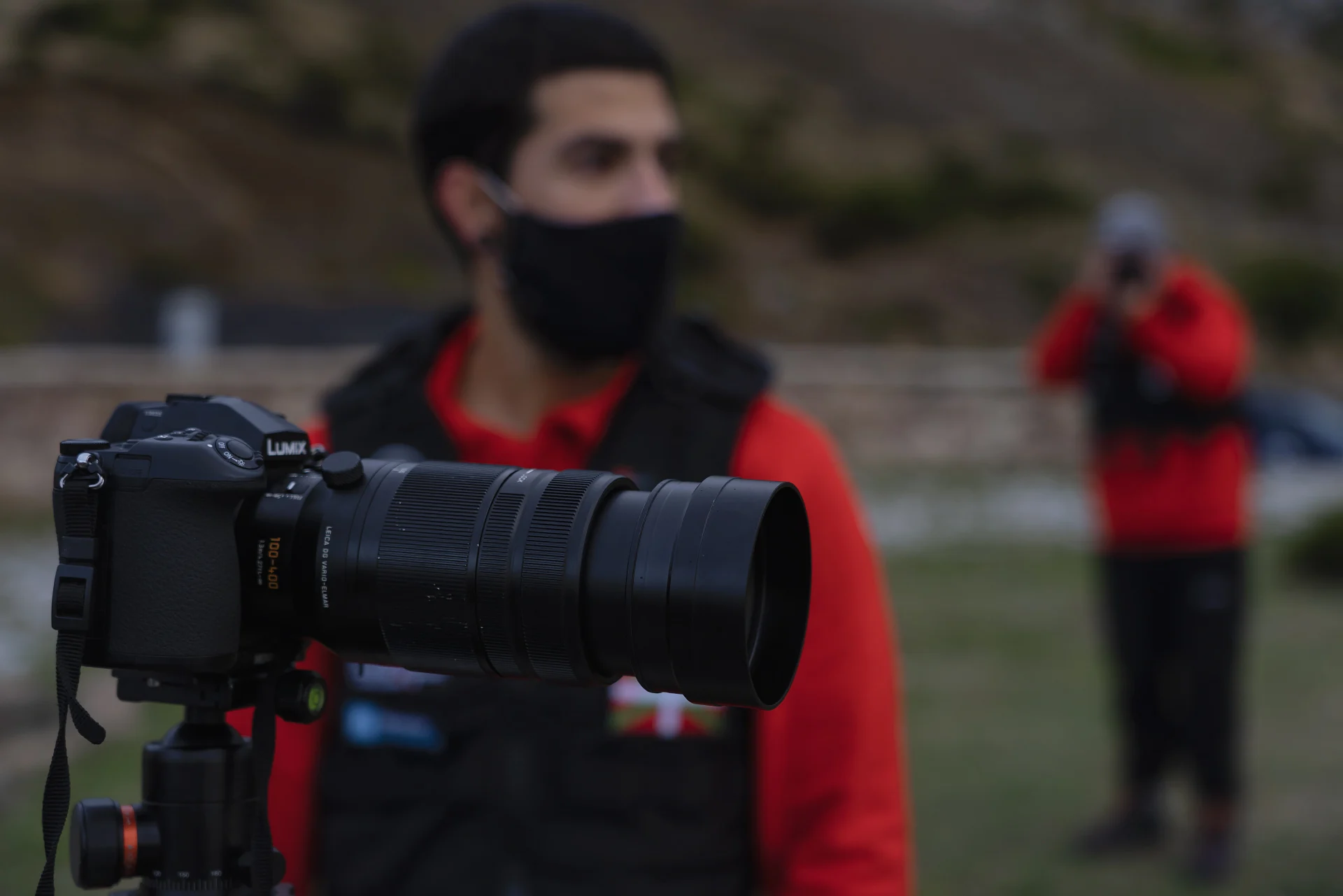
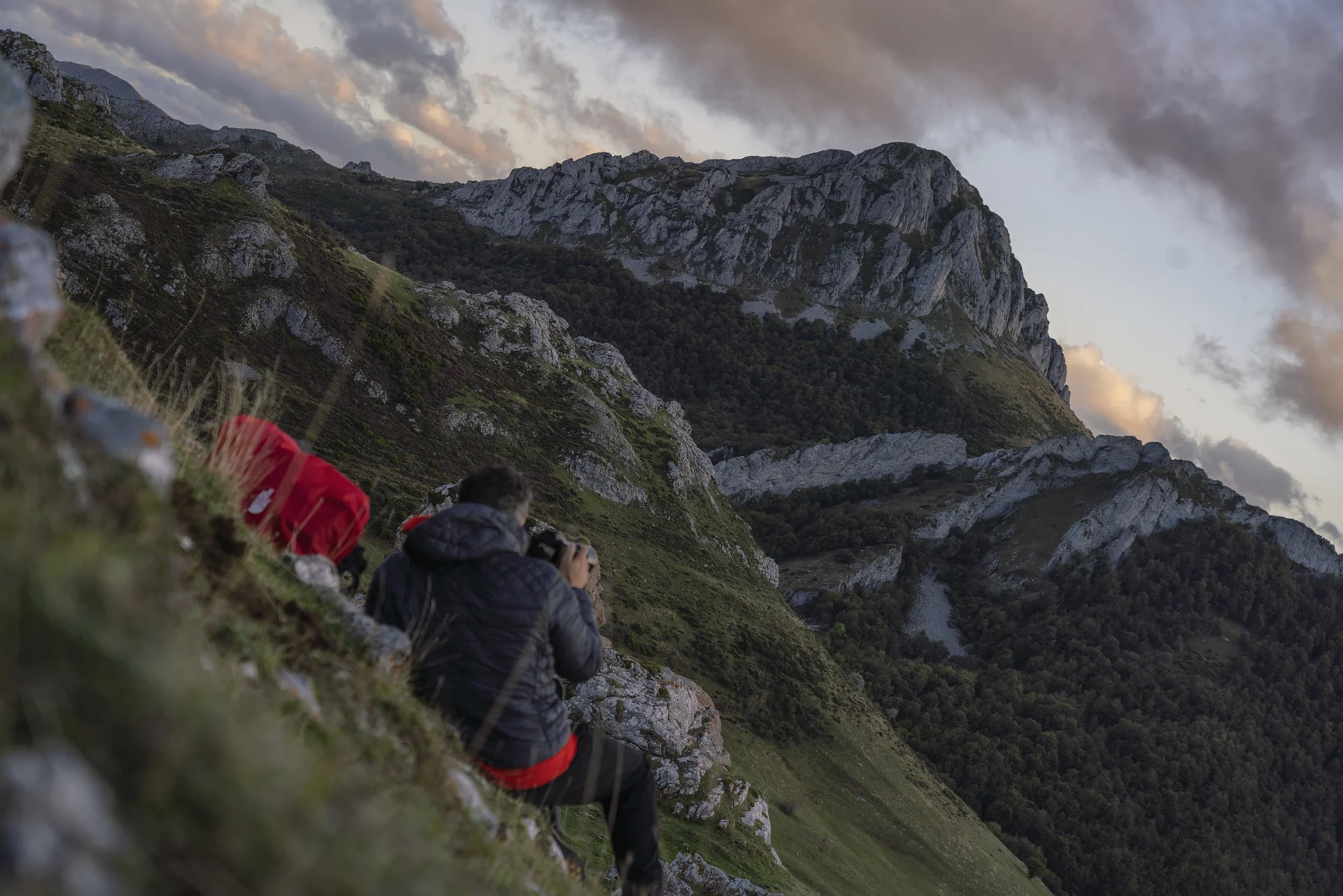
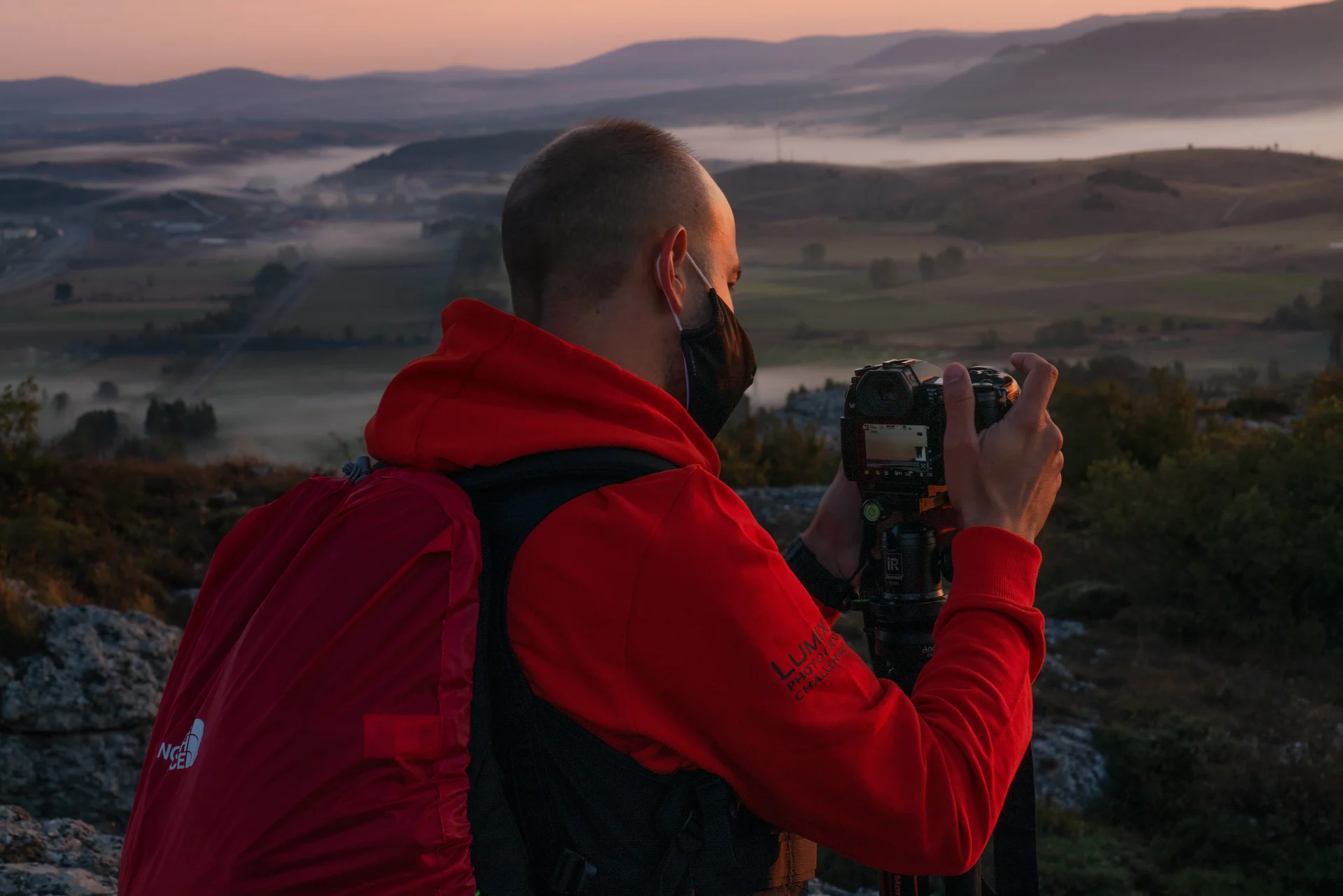
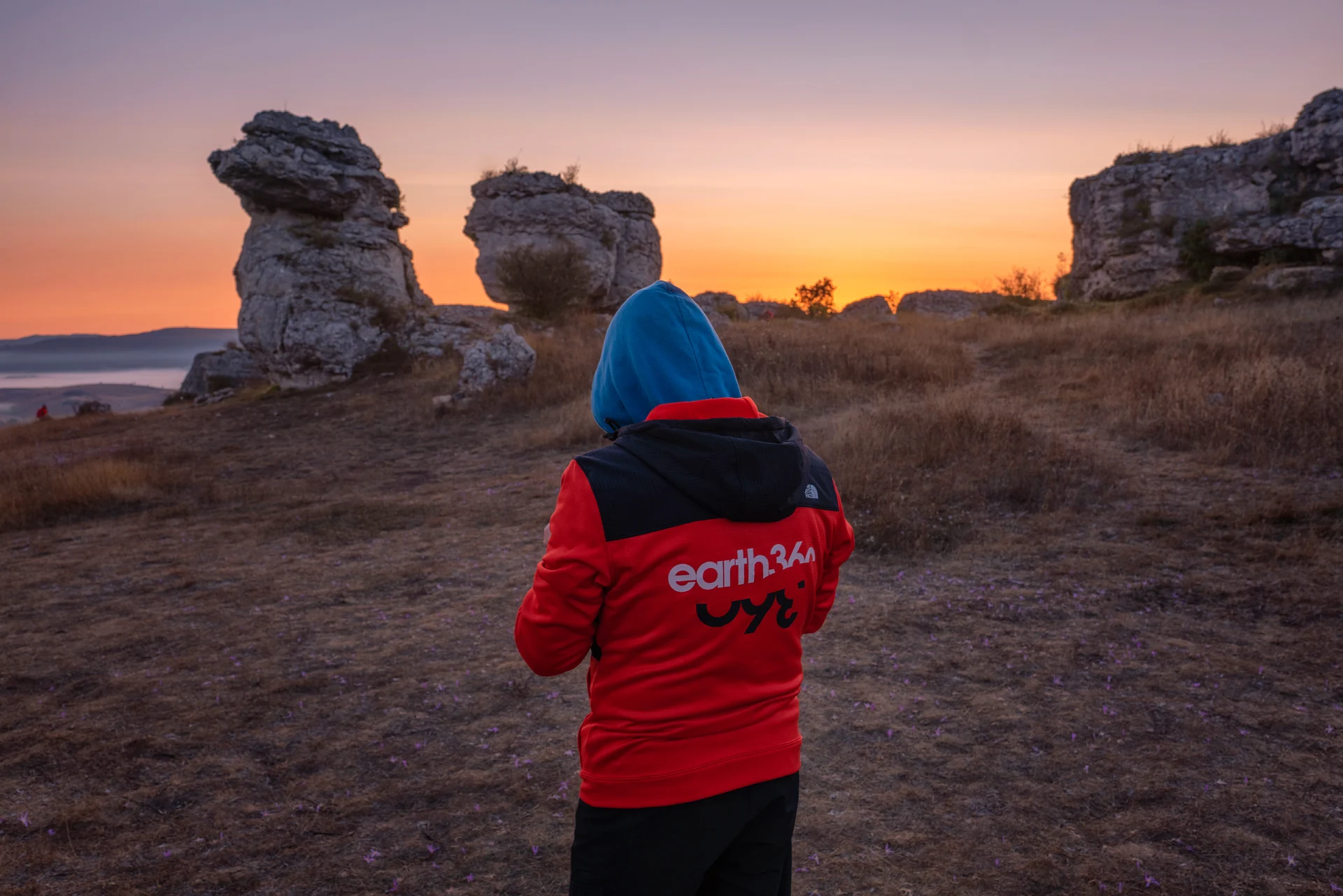
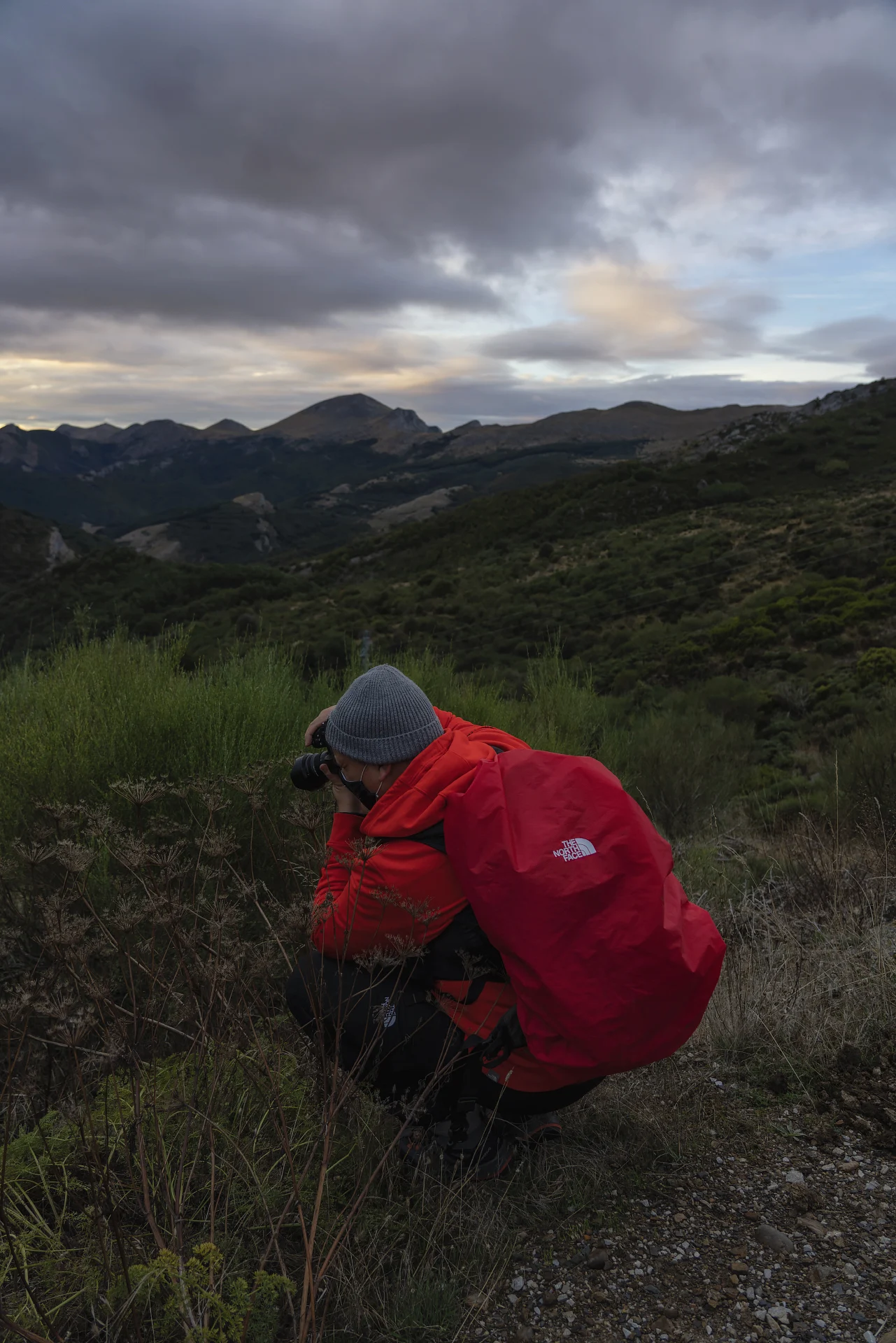
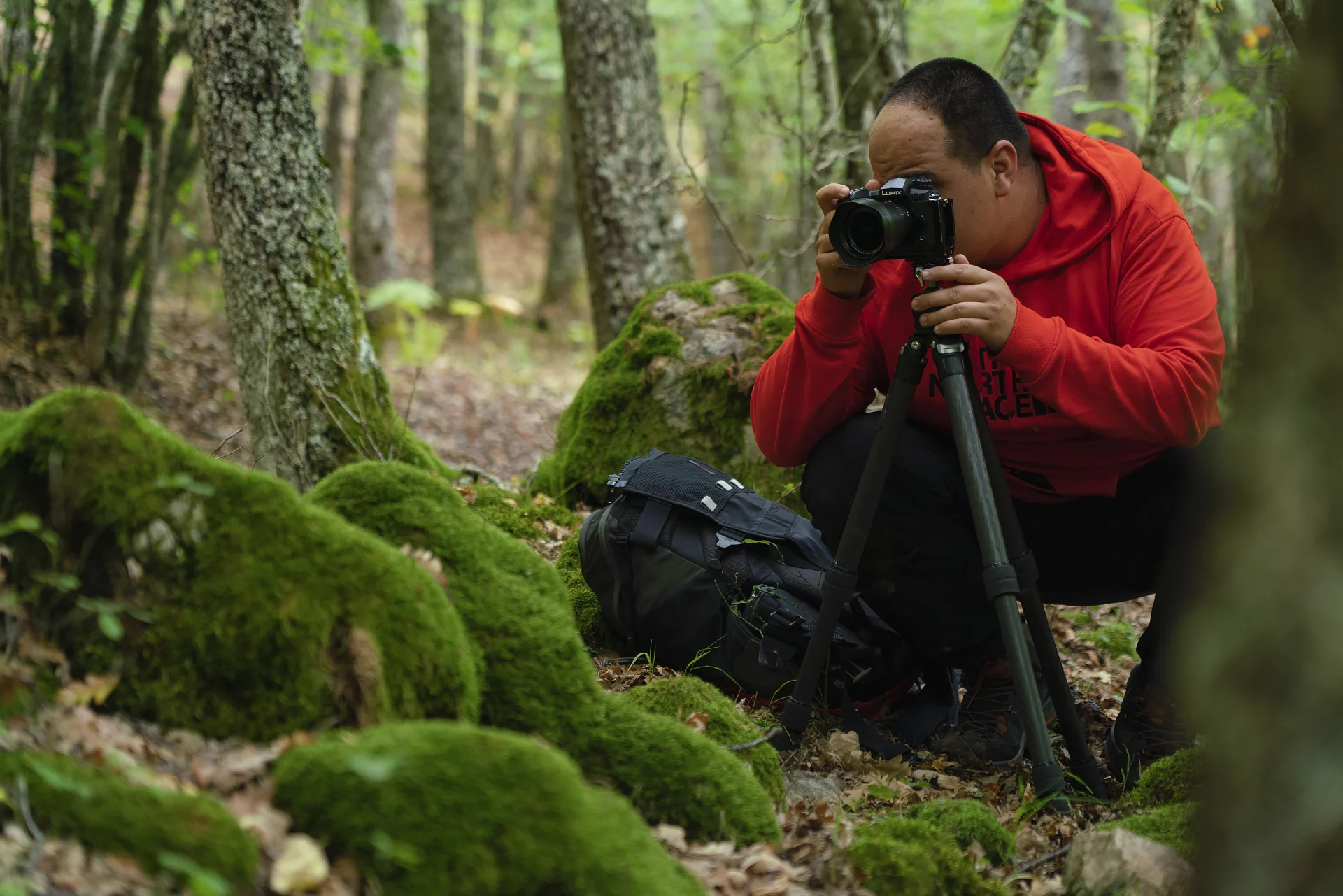
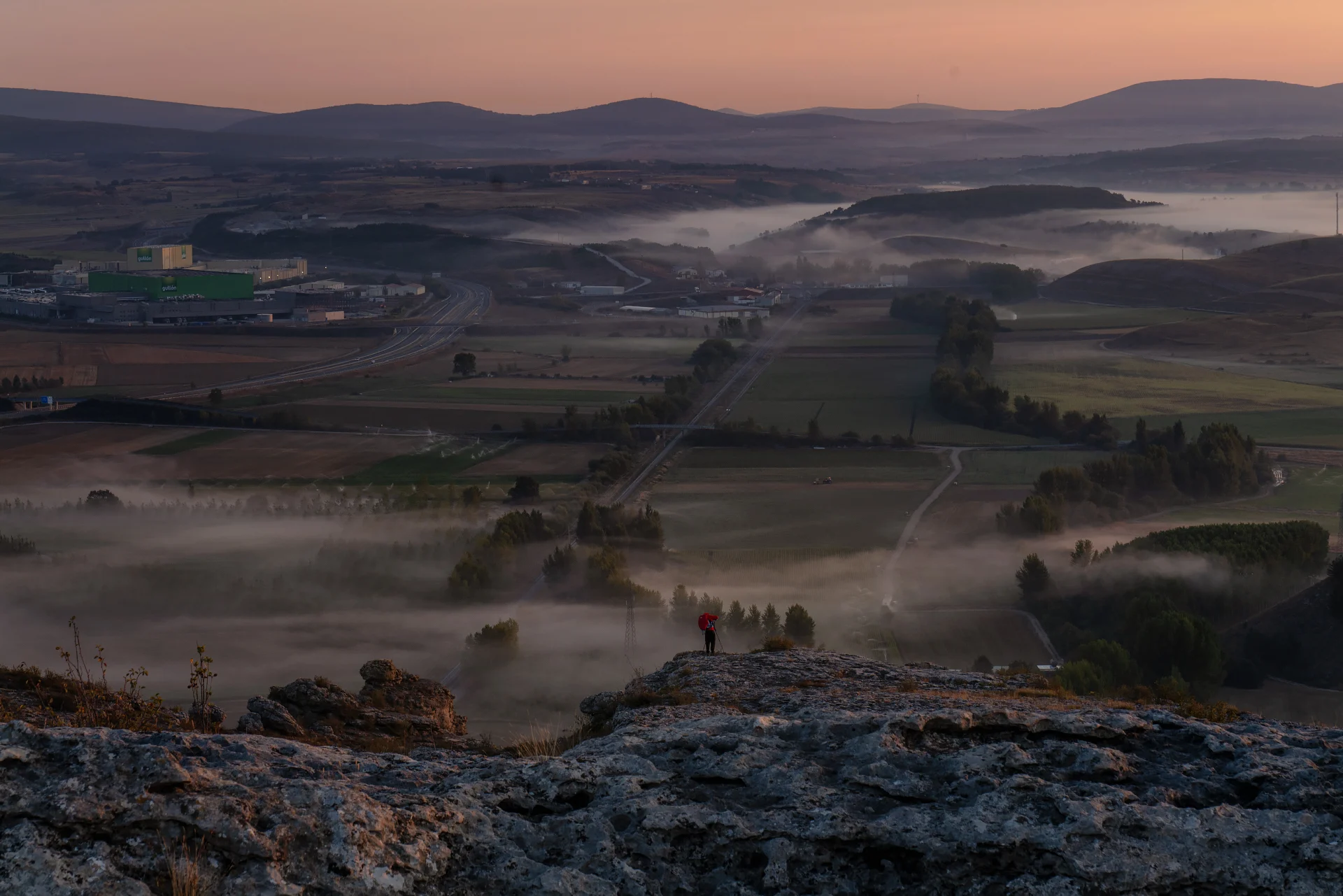
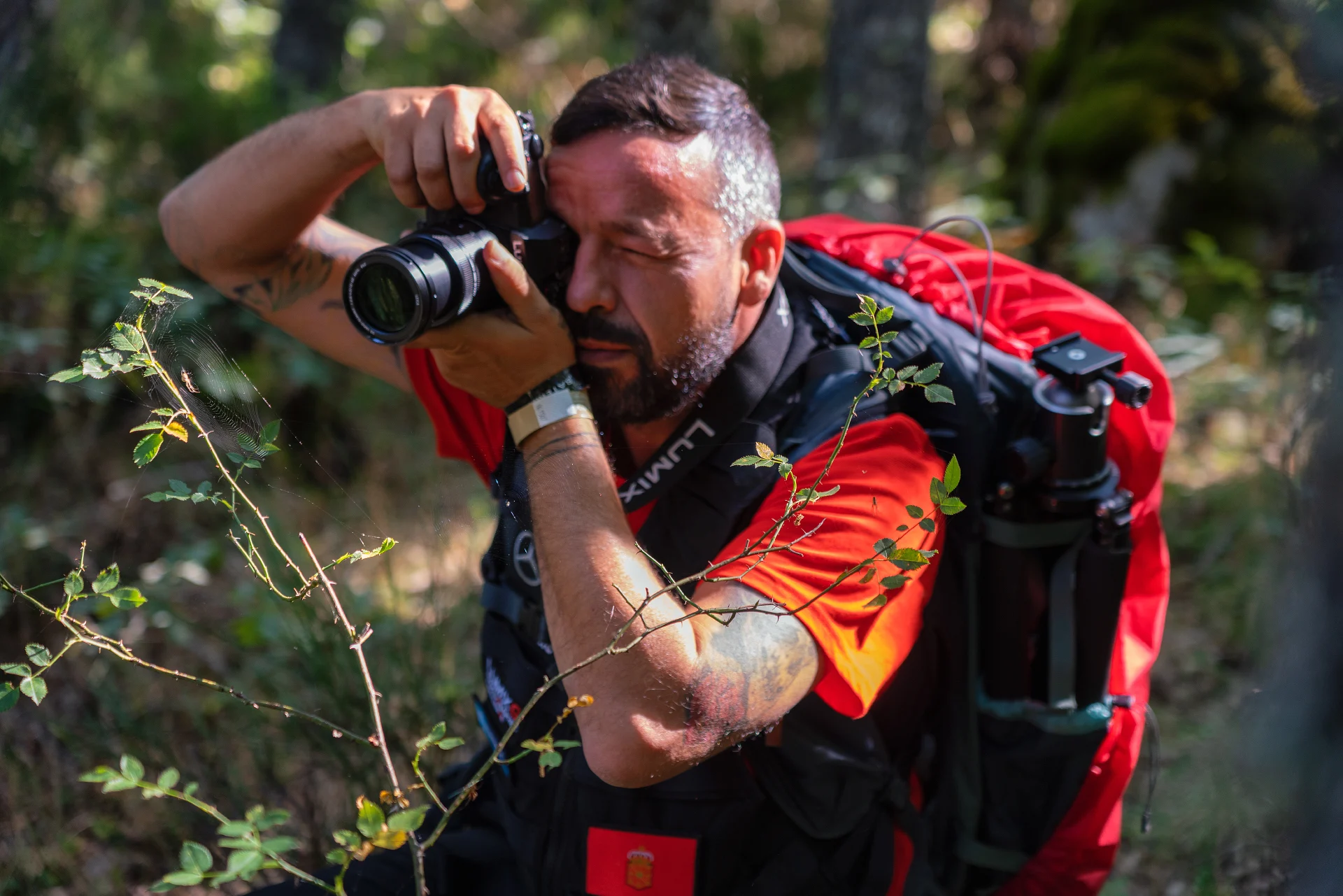
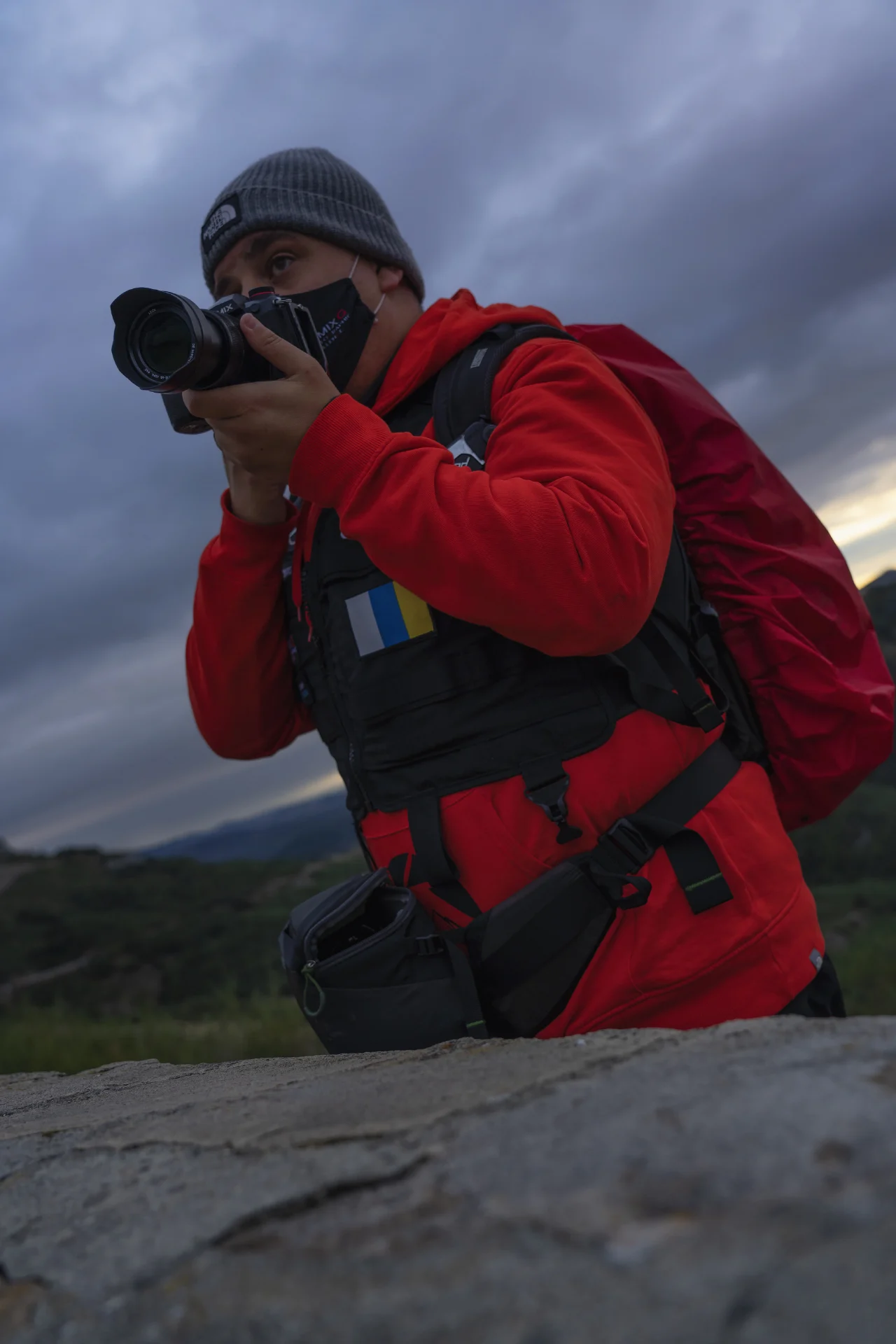
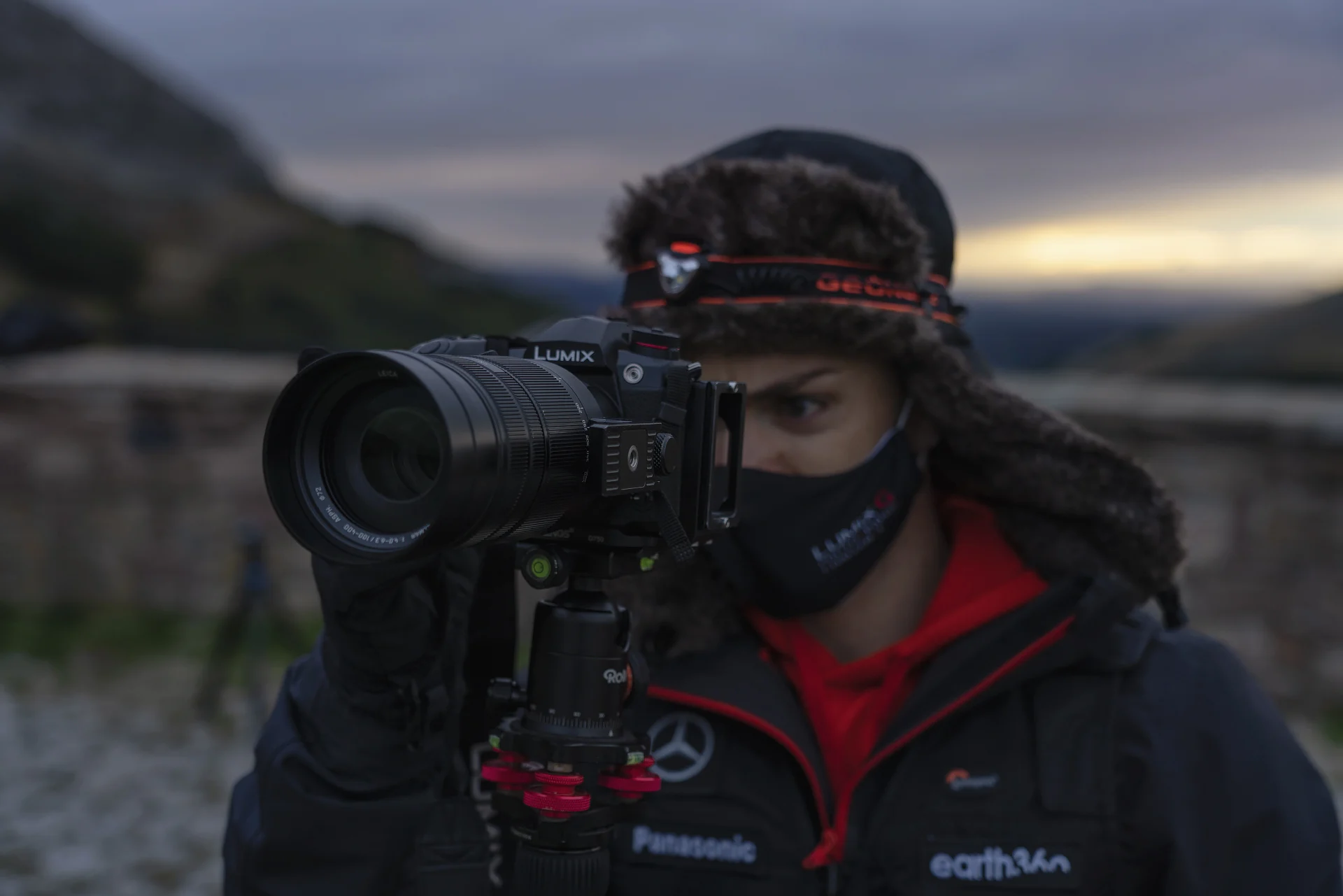
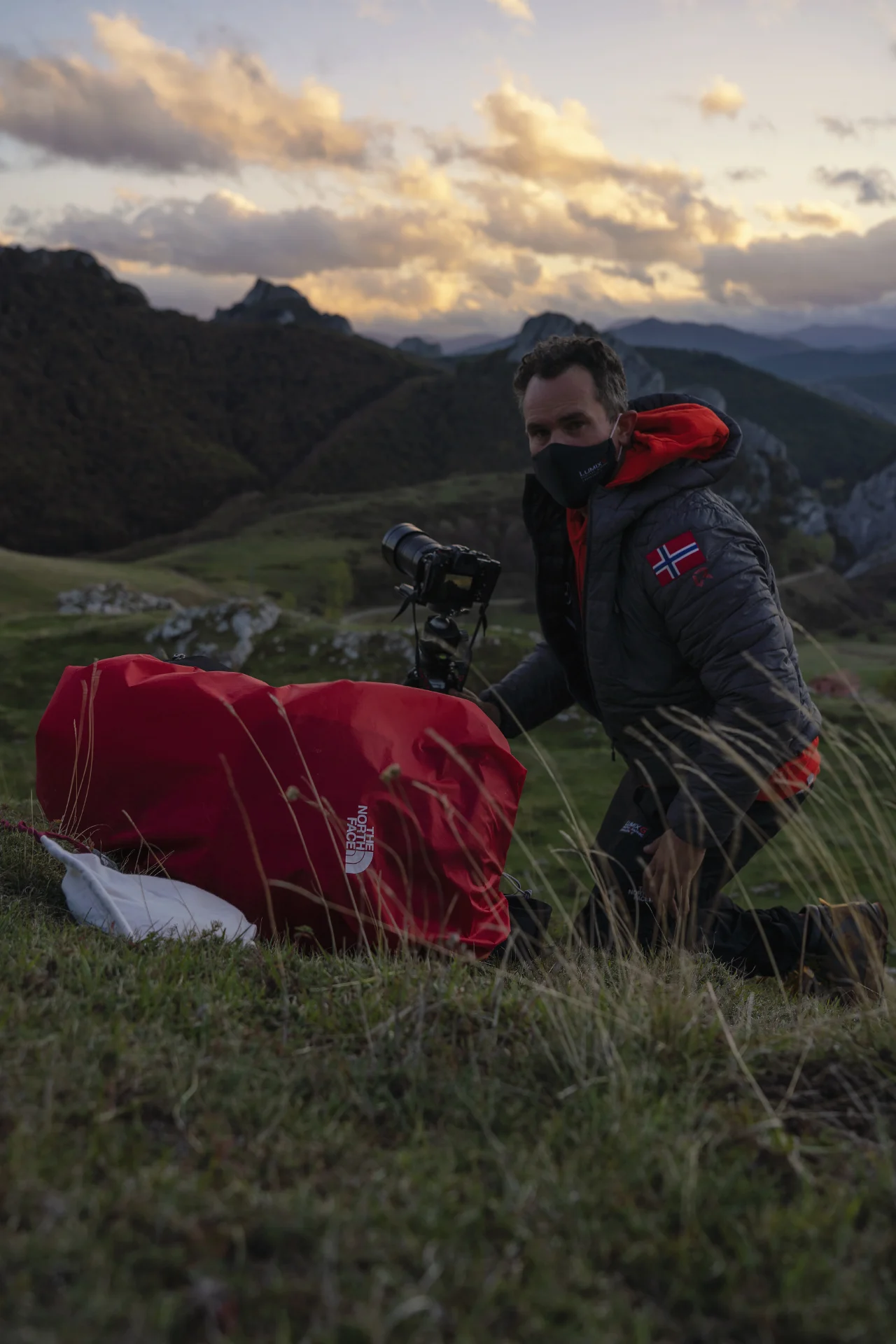
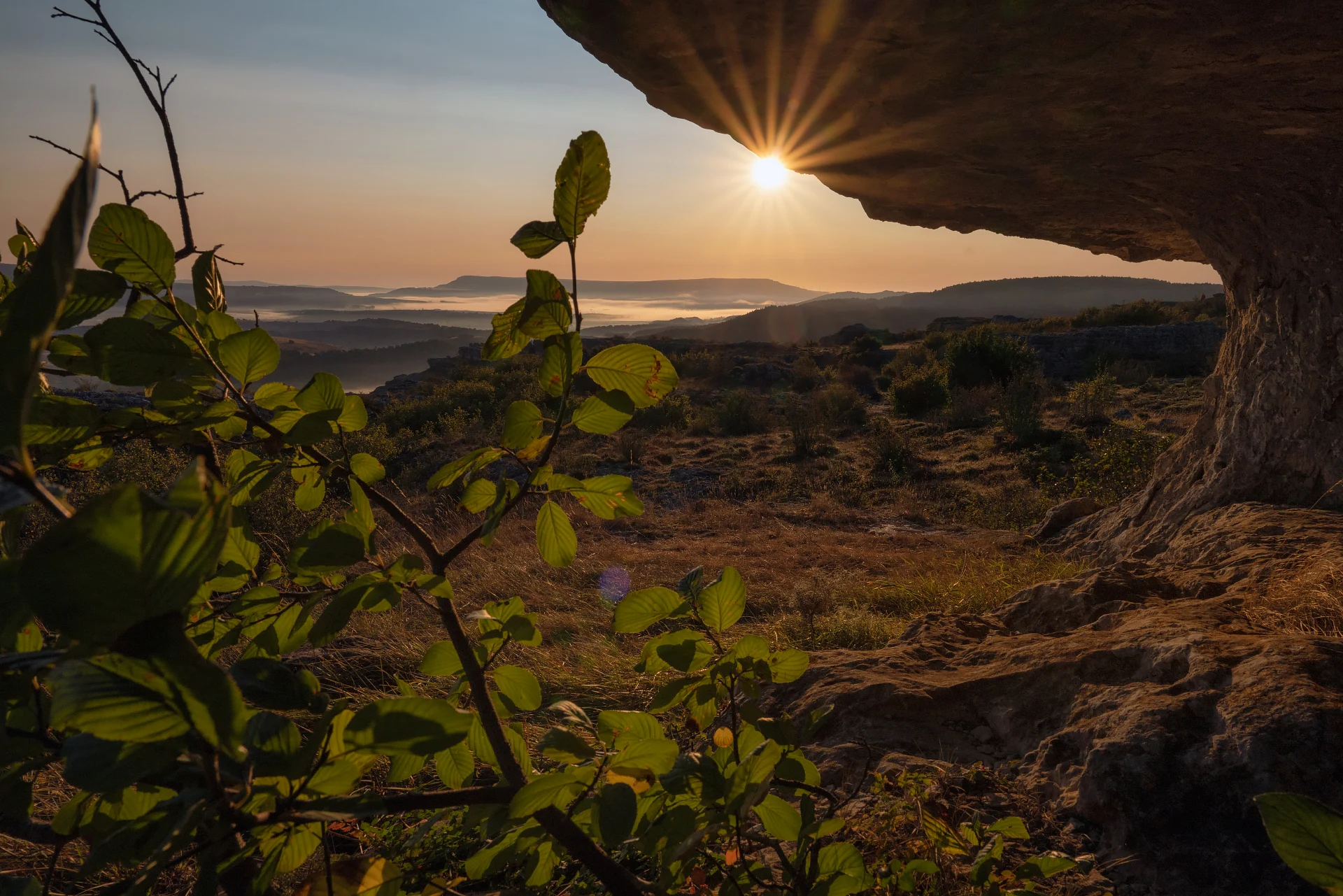
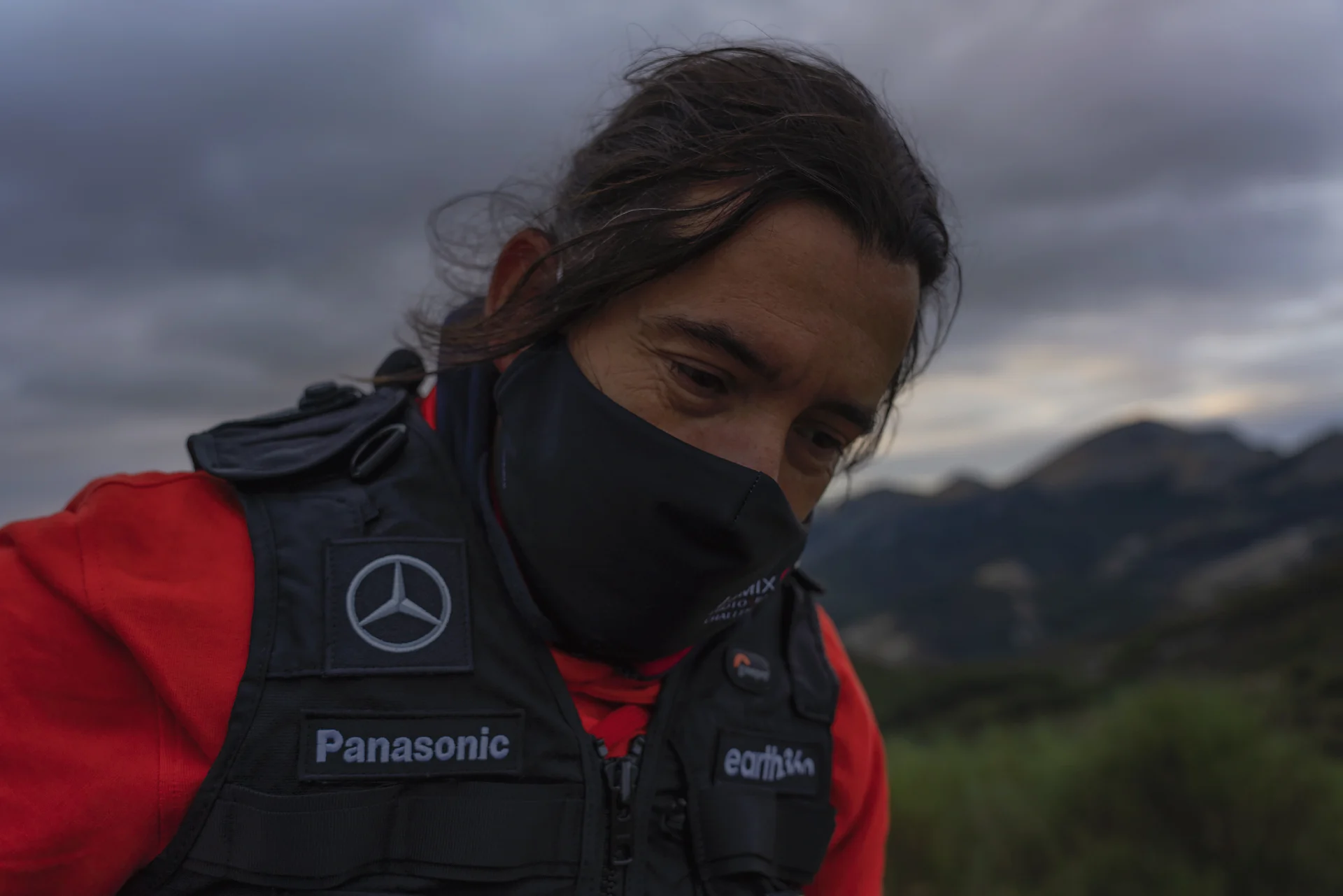
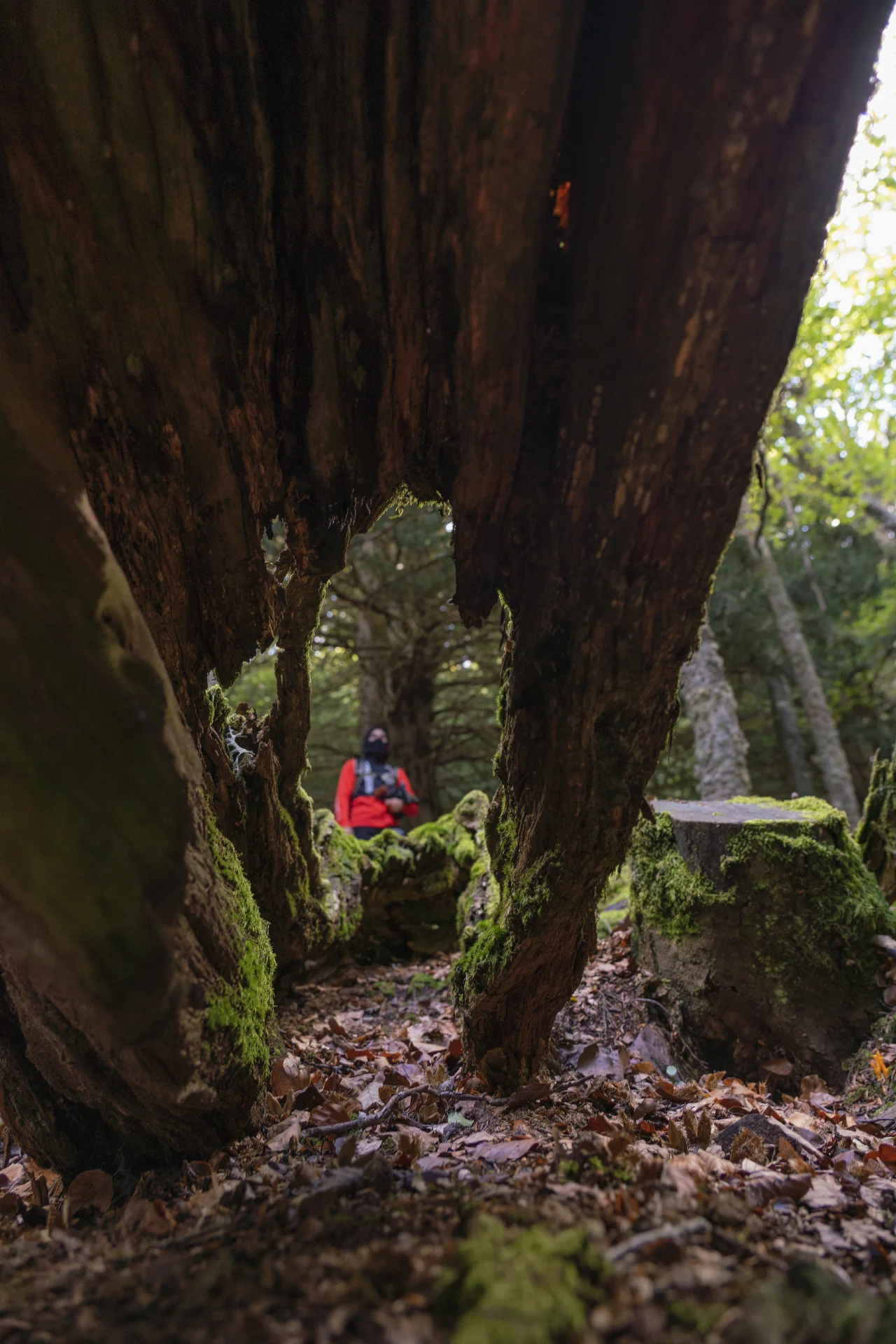
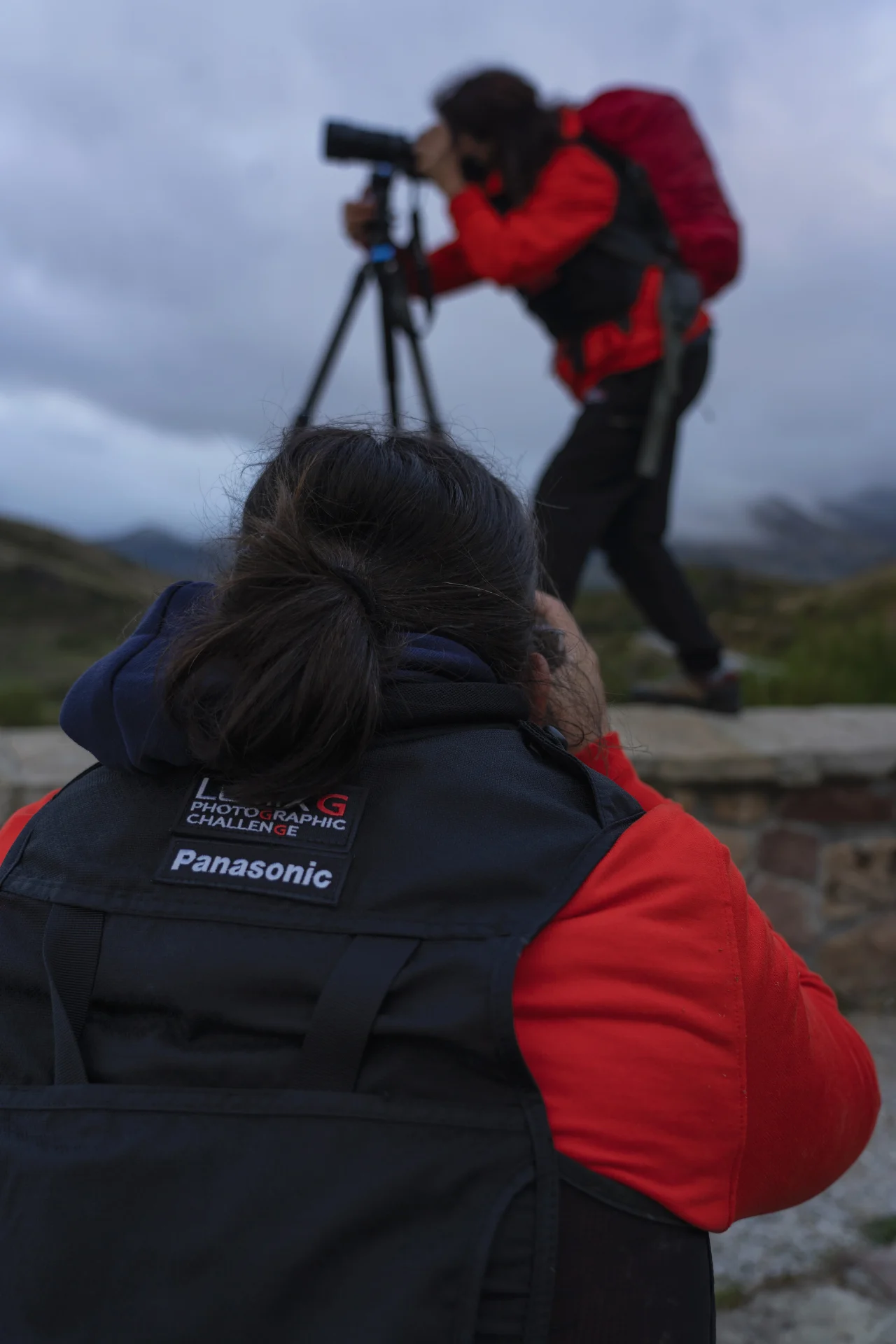
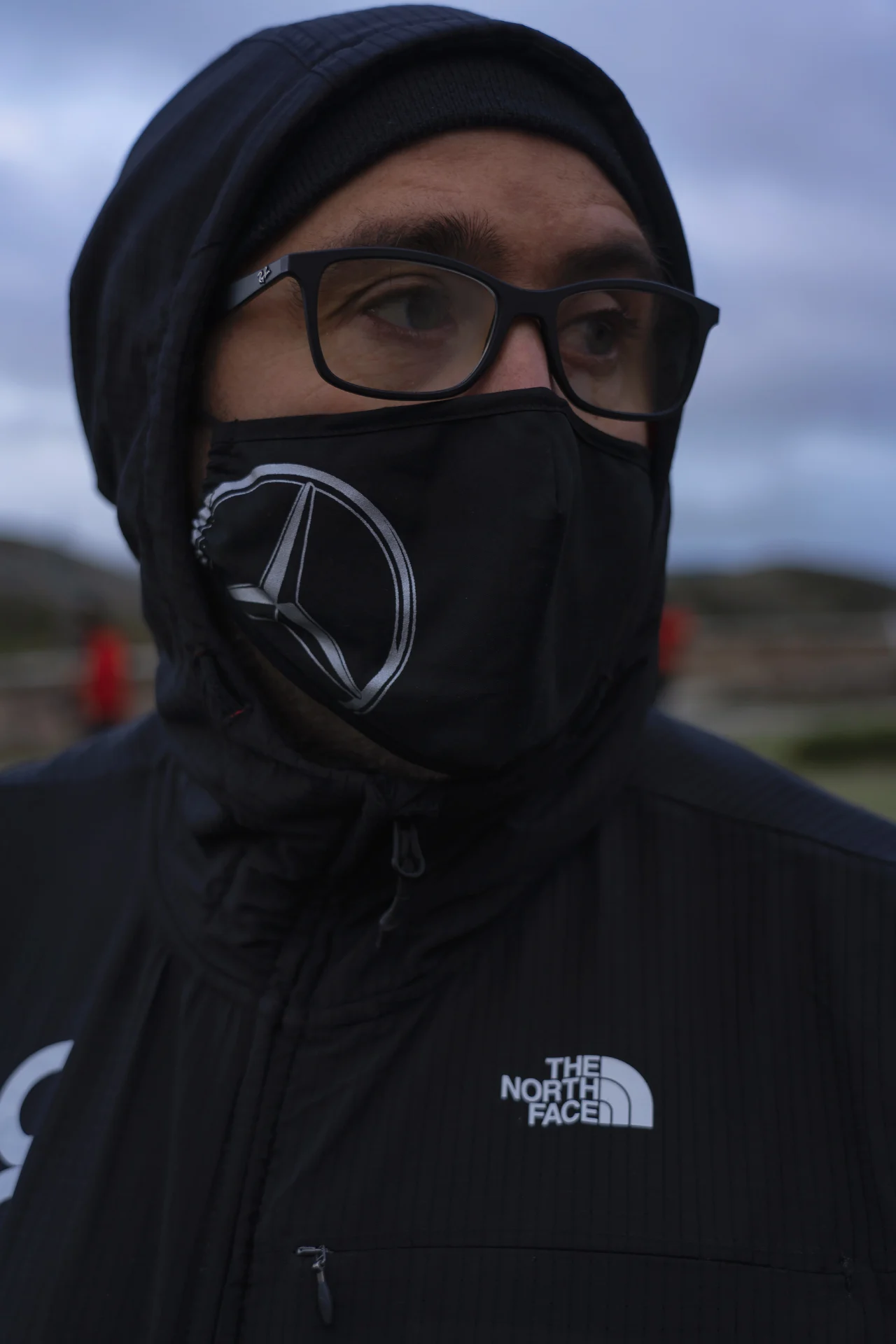
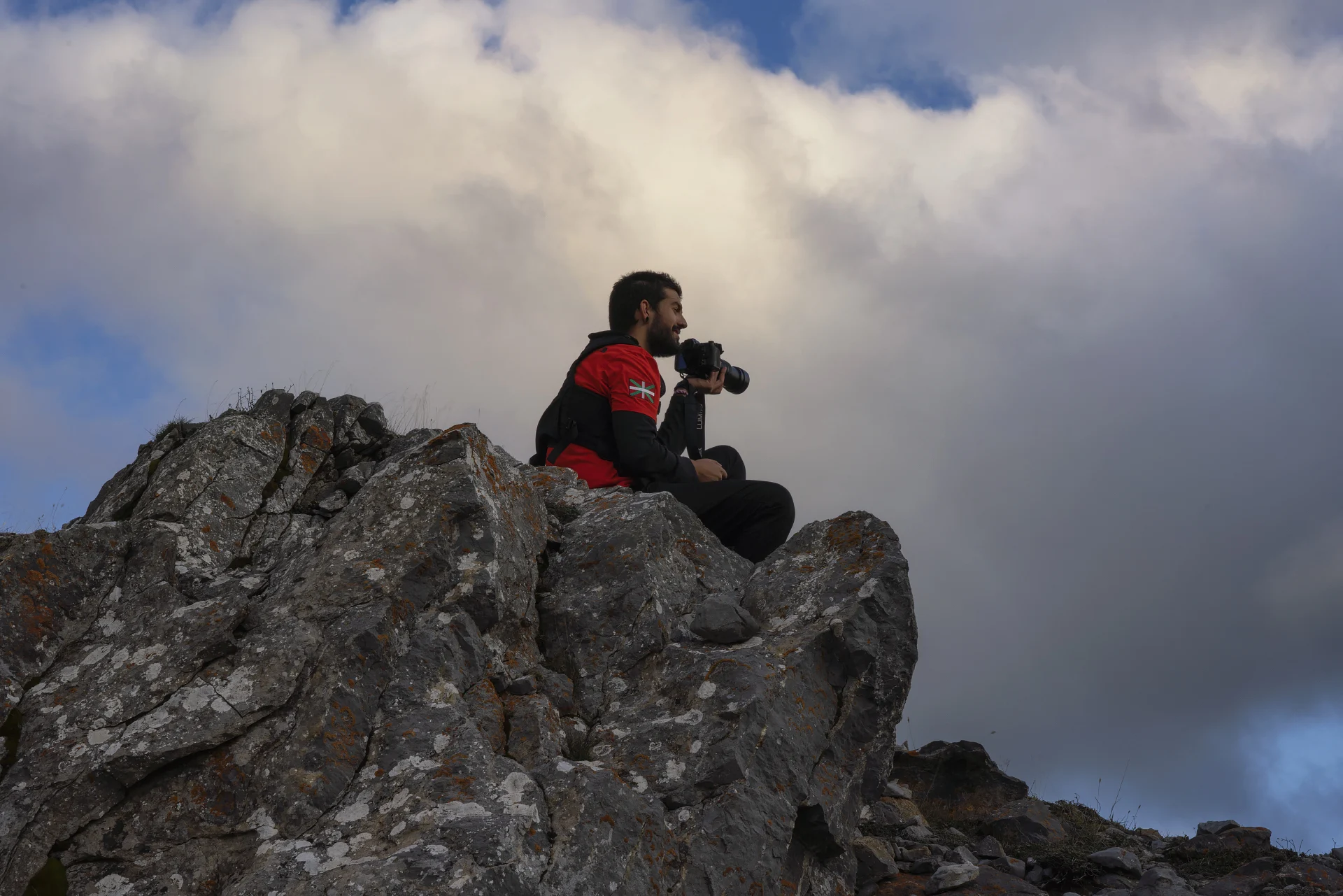
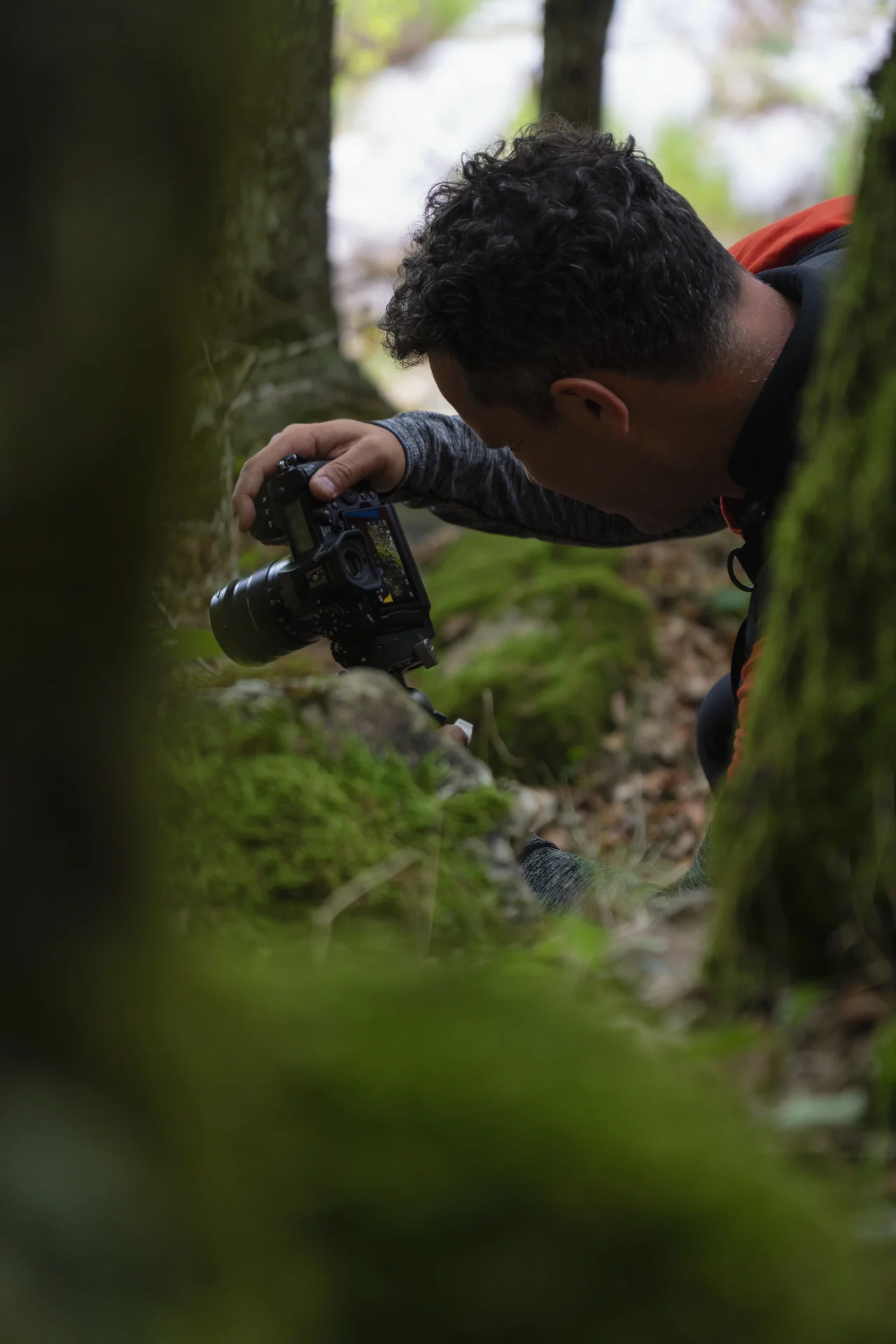
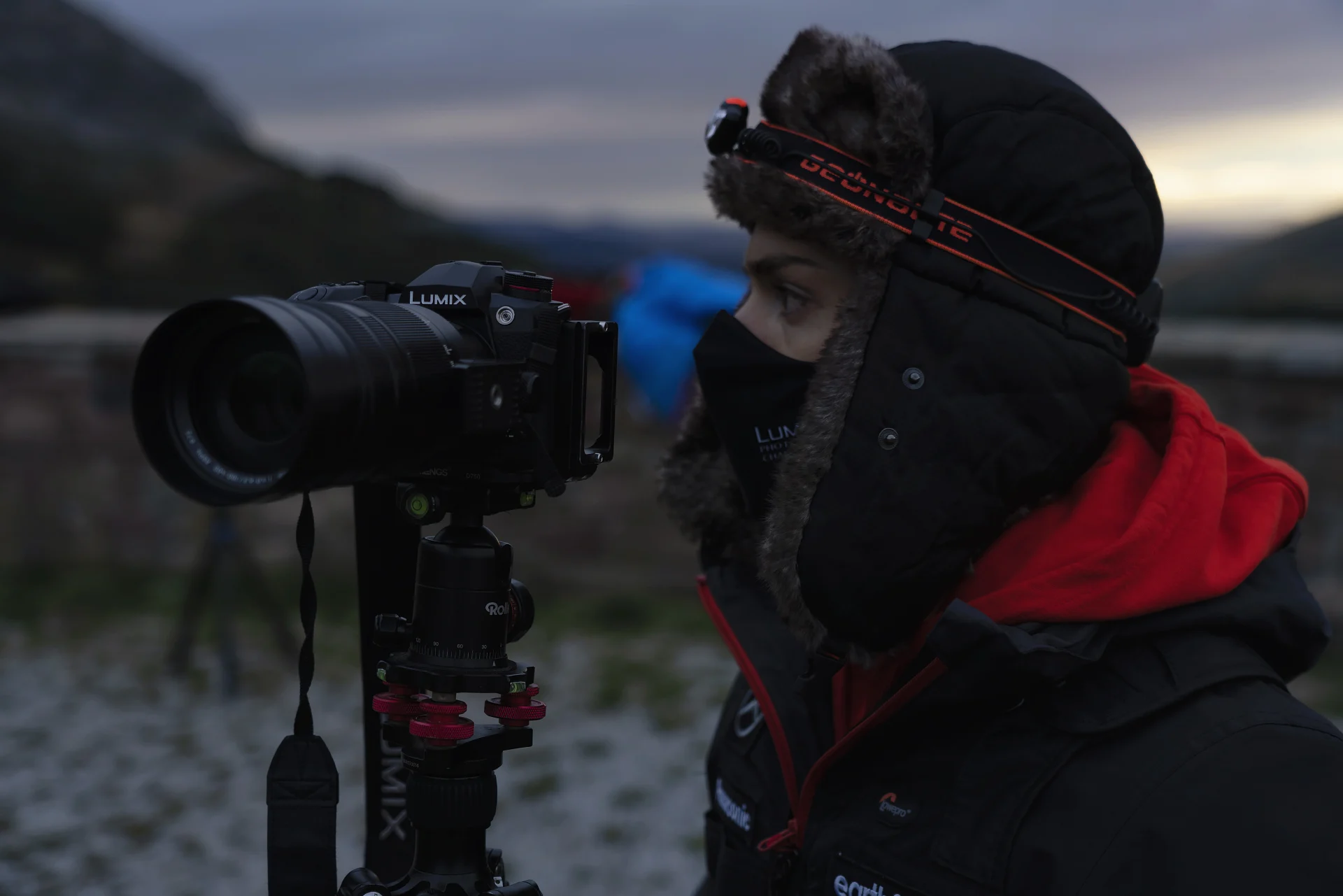
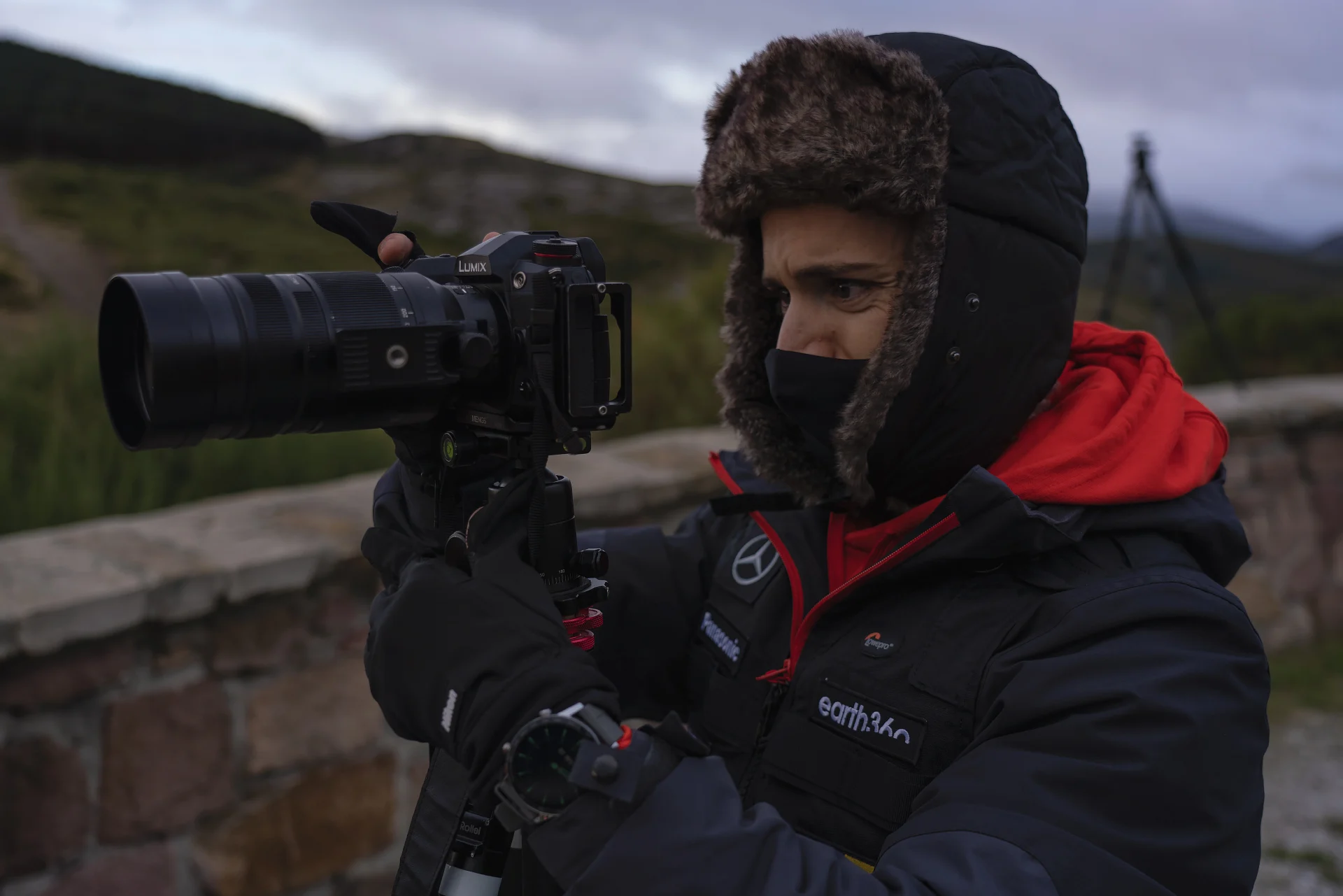
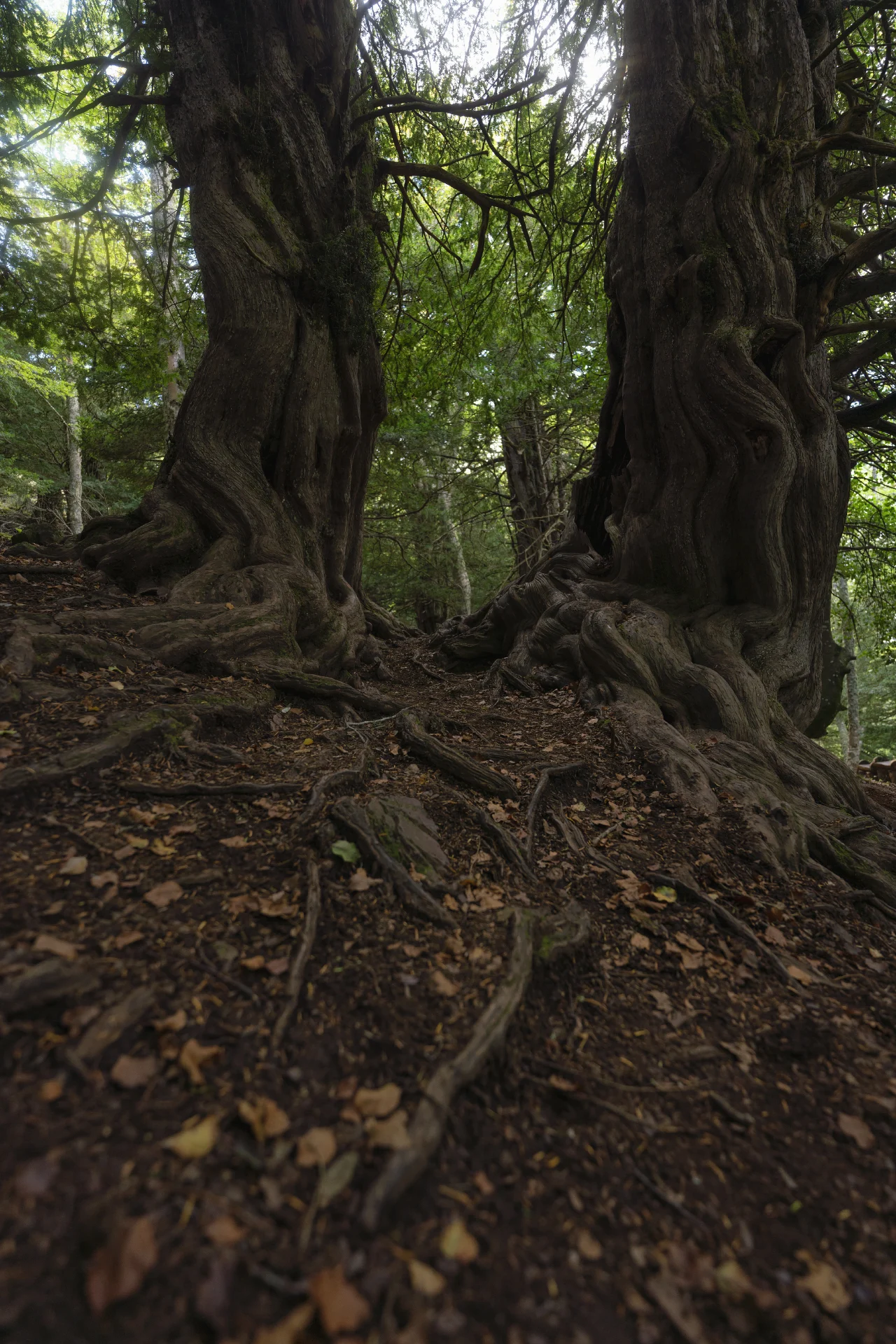
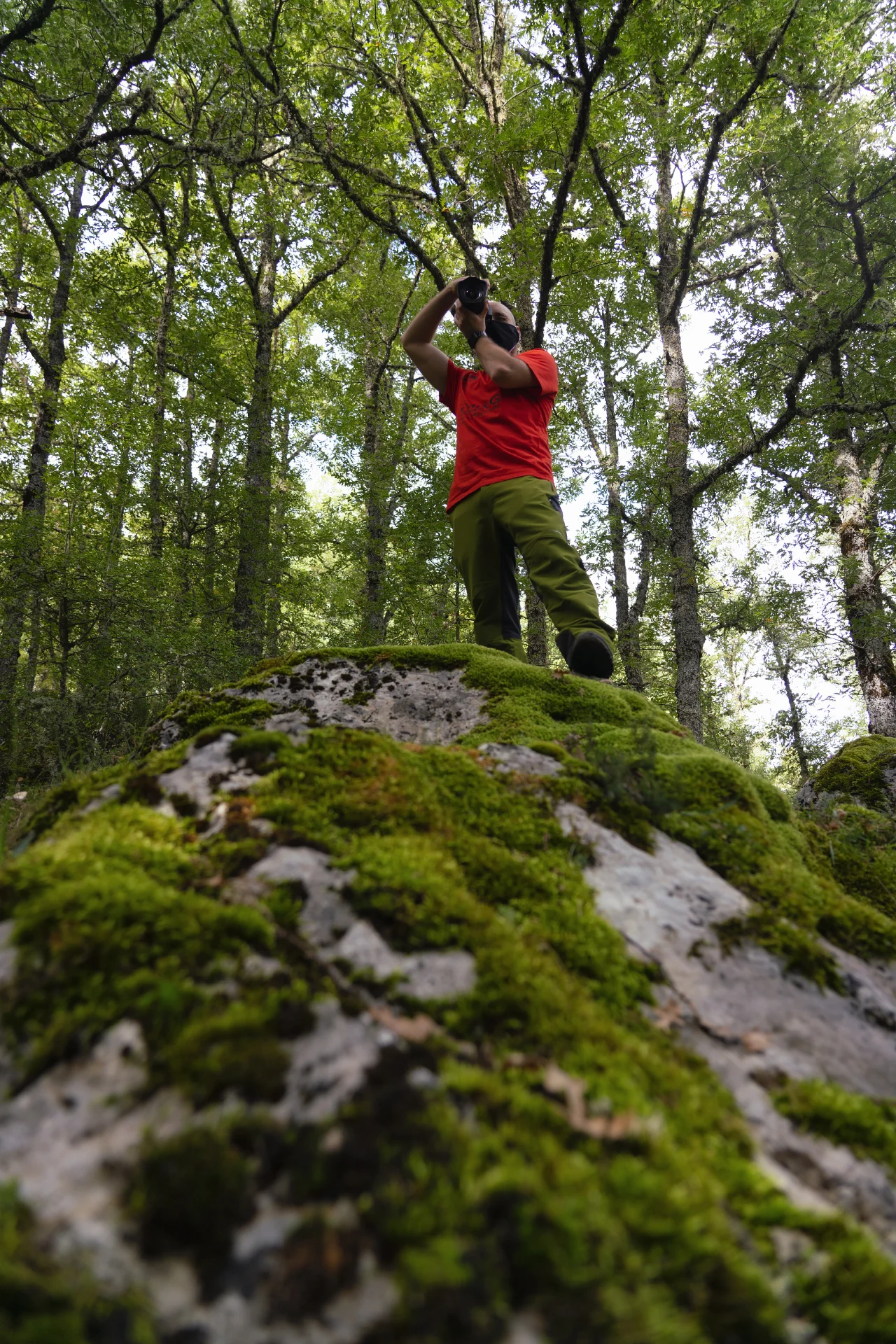
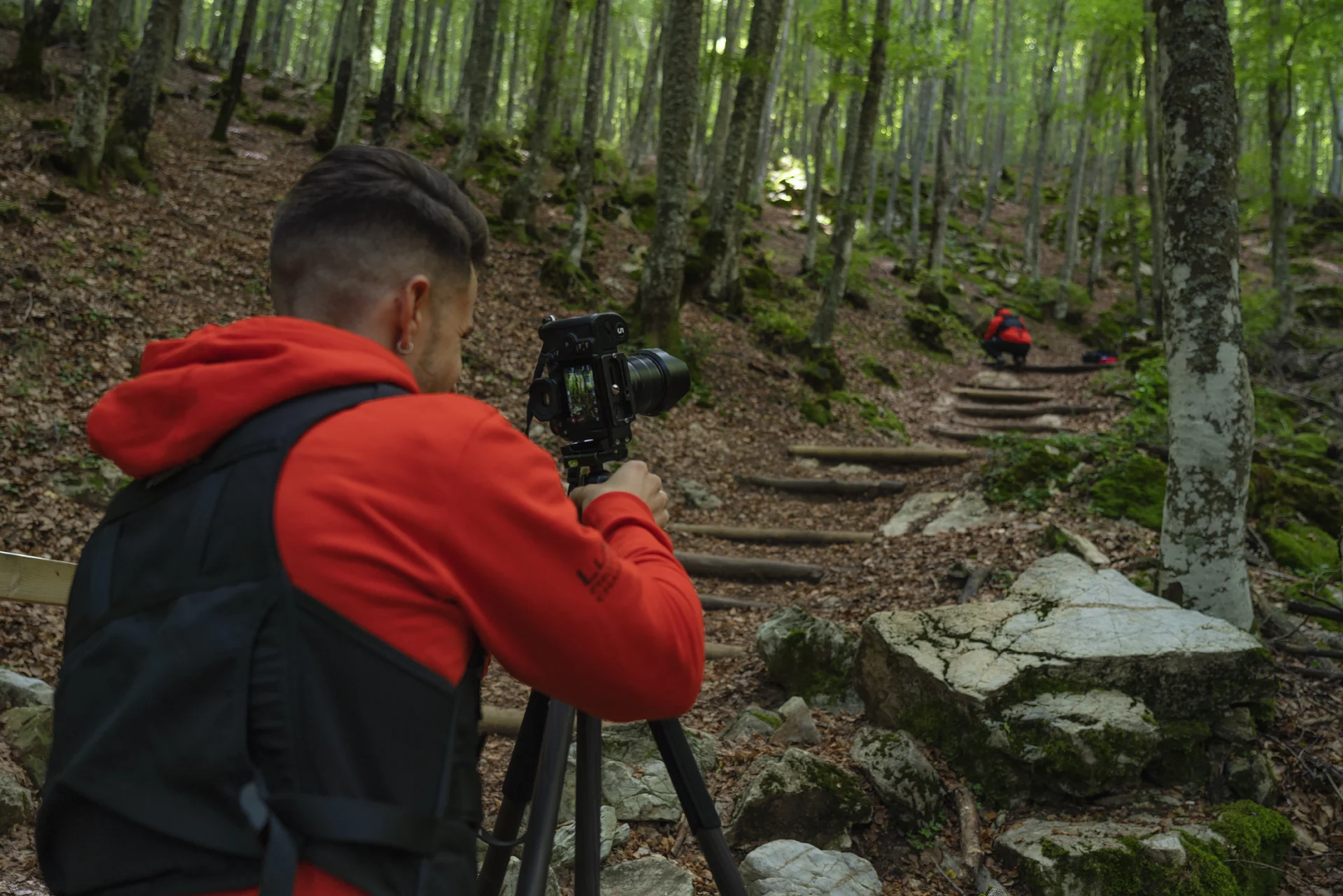
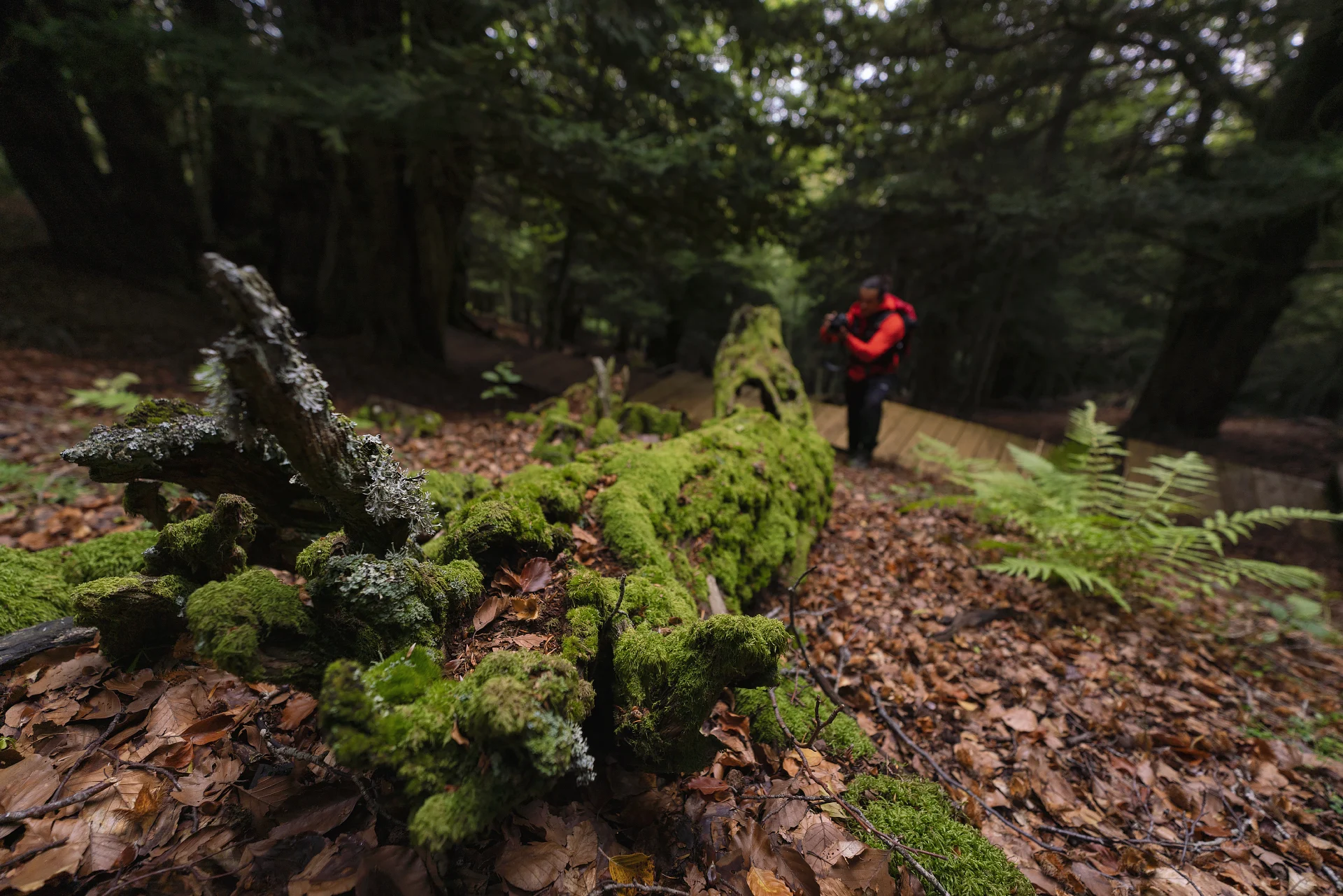
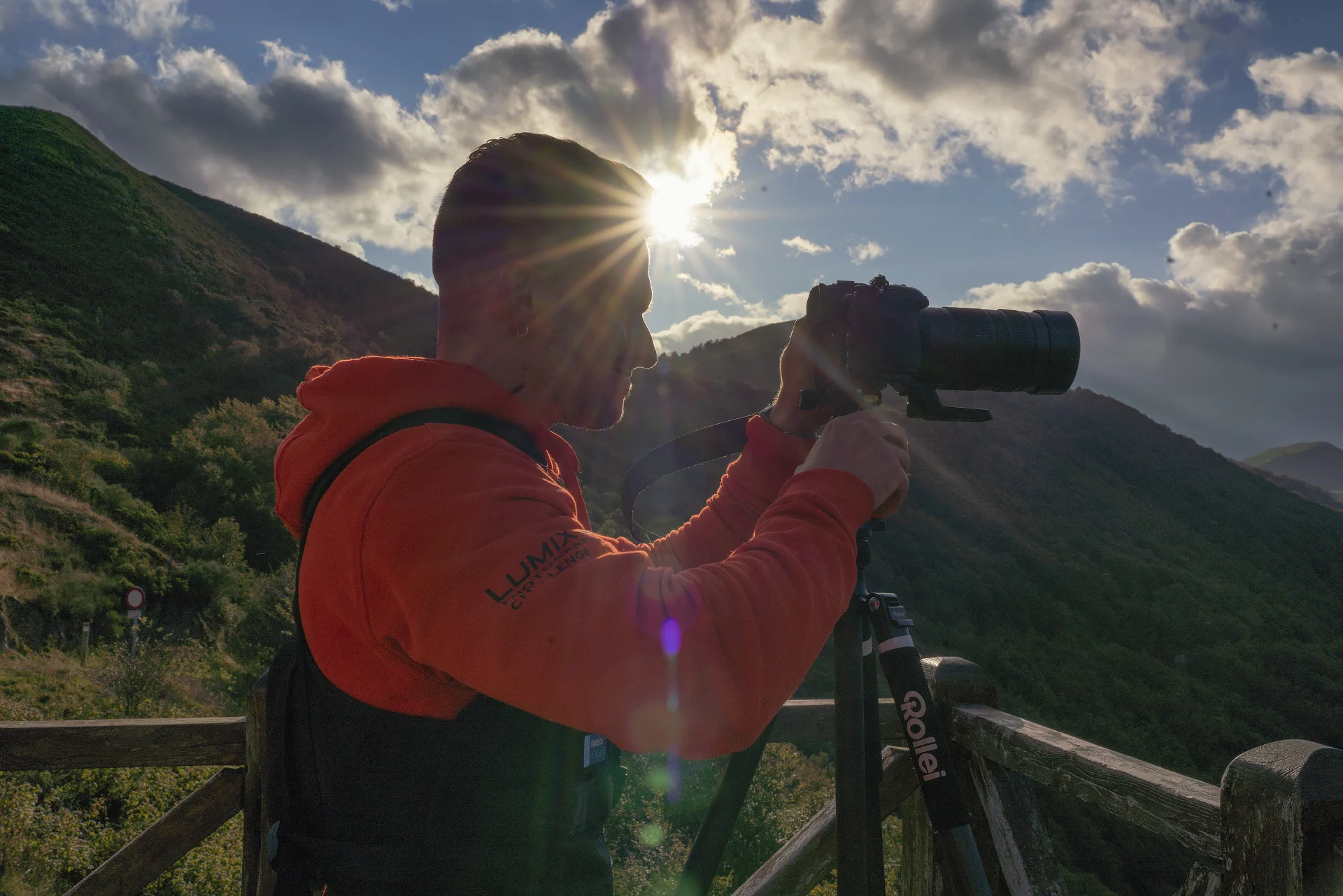
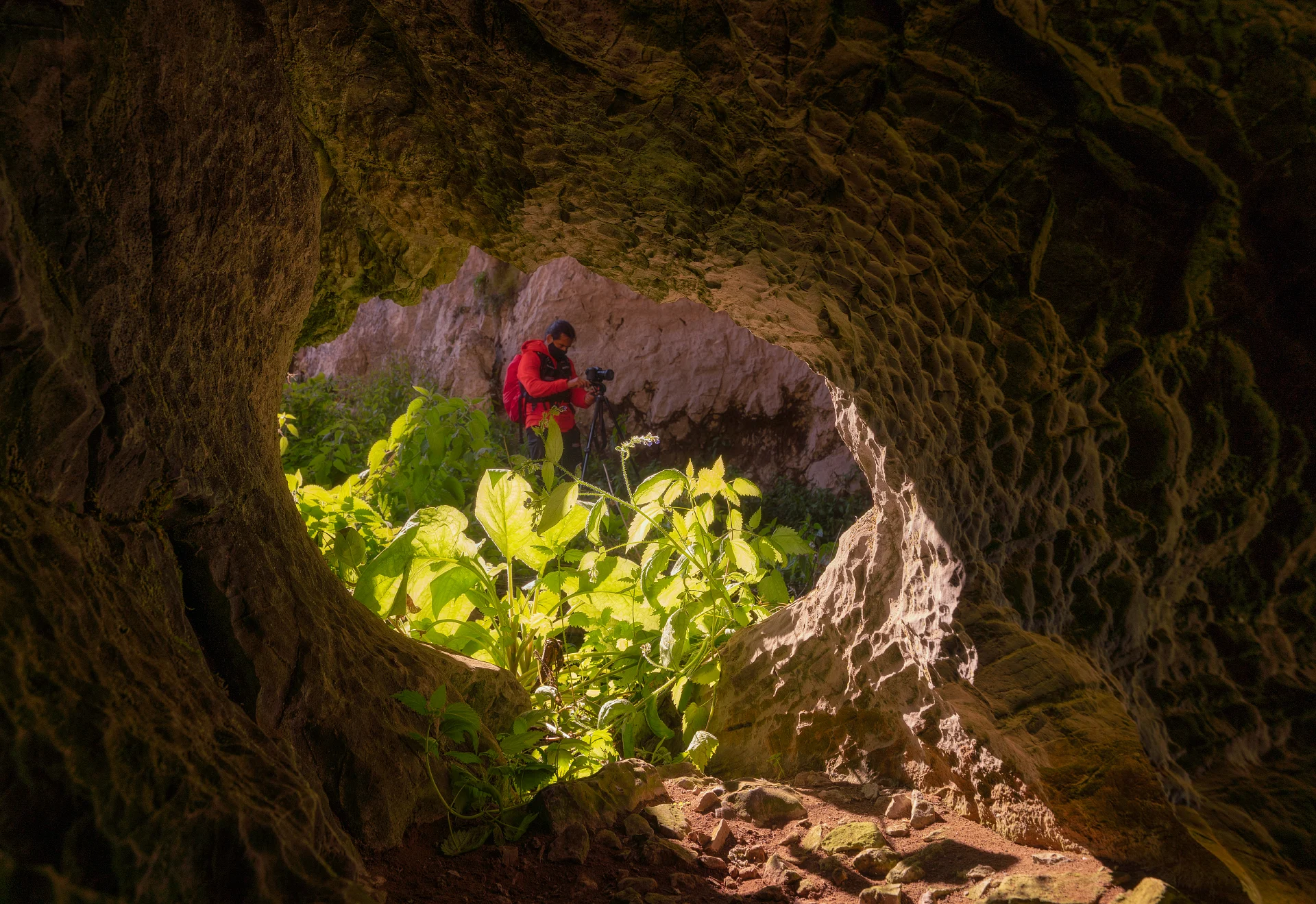
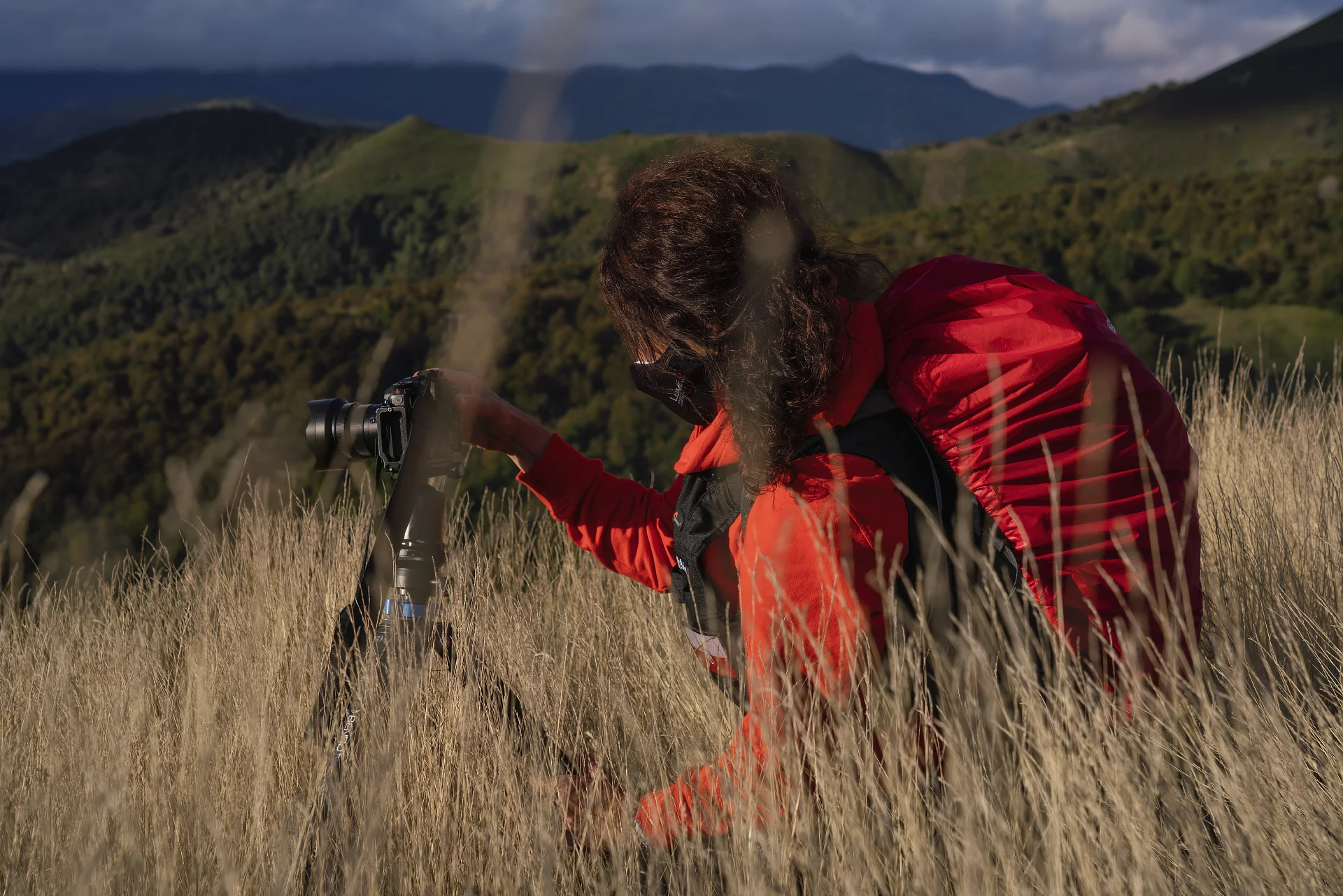
On arrival, they receive their equipment: Panasonic Lumix cameras and lenses. During the challenge, they must take a specified set of photographs for the judges to assess—for example, two panoramas, two plant photographs, two showing another participant taking photographs, and four on a subject of their choice.

Back at home, participants choose the images they will submit, following the required categories.
Editing must be minimal, as the judges focus on composition and the beauty of the photograph rather than editing skills. This is emphasised throughout the competition: excessive processing counts against an image.
The judges select one of the three entrants from each region to represent it in the semi-finals.
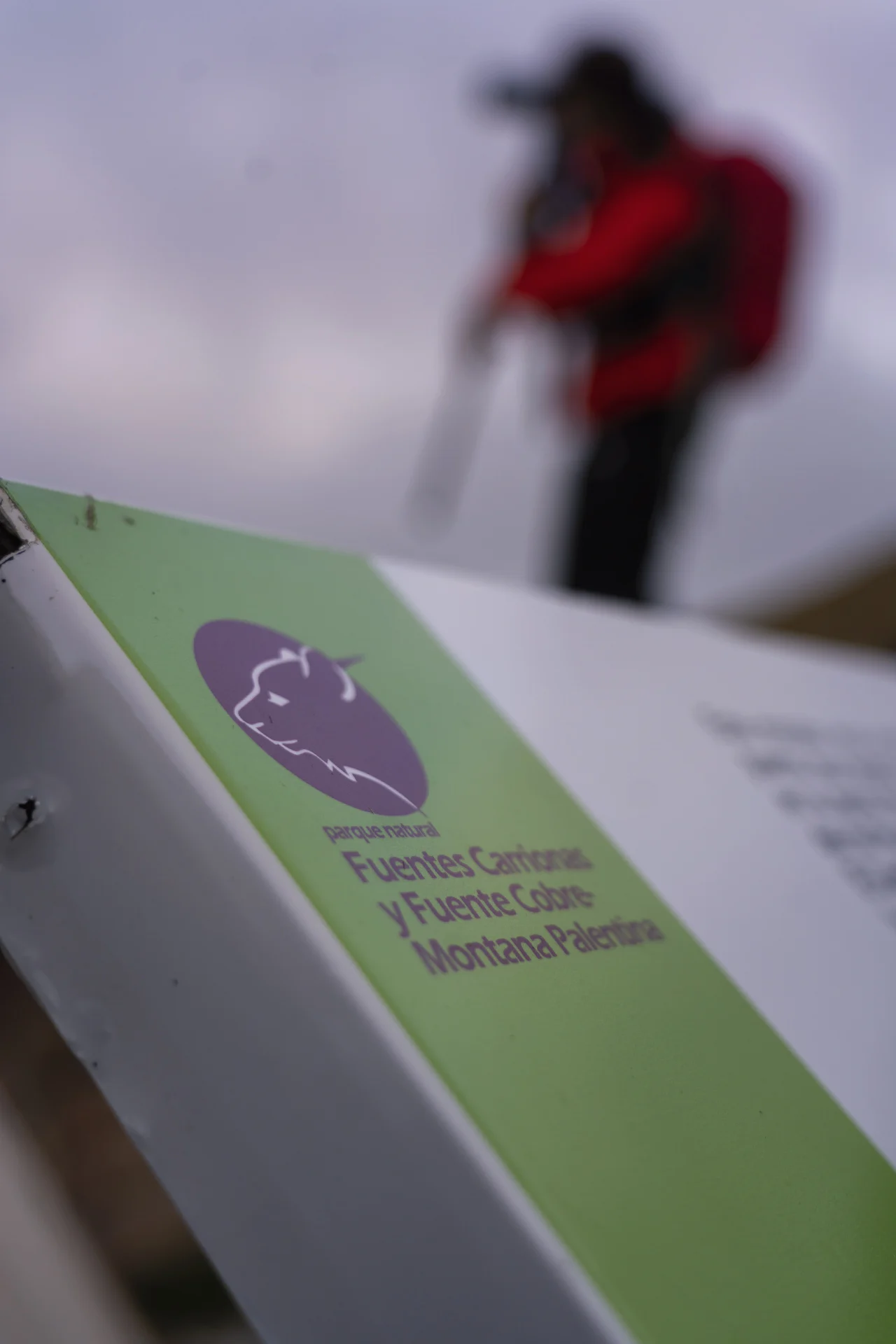
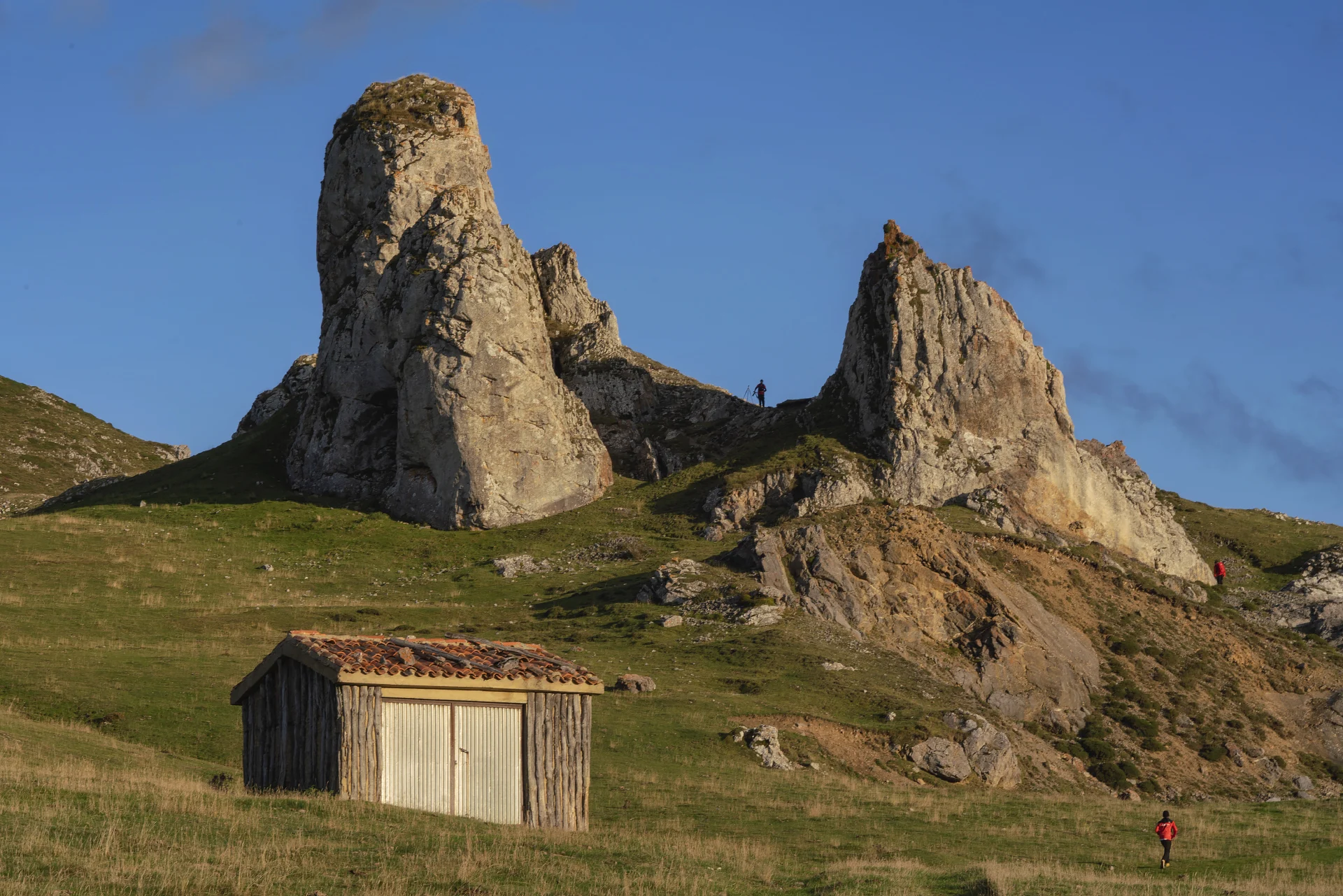
The 17 regional representatives then gather for a weekend, with accommodation and meals covered, at a location that changes each year. The first two editions took place in Asturias and the third in the mountains of Palencia.
The semi-finals work much like the qualifiers, but a full weekend allows for a much wider variety of situations, settings and challenges.
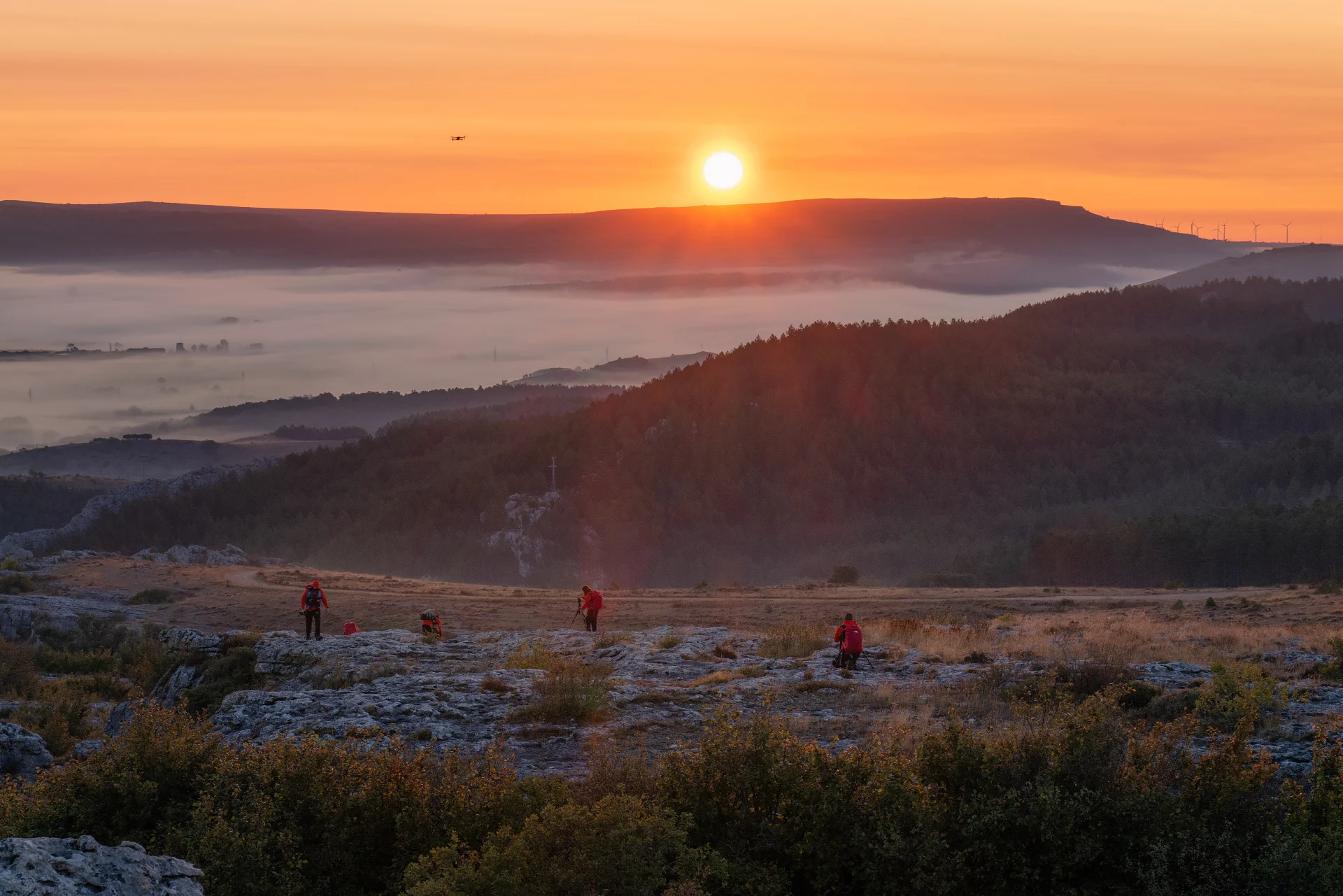
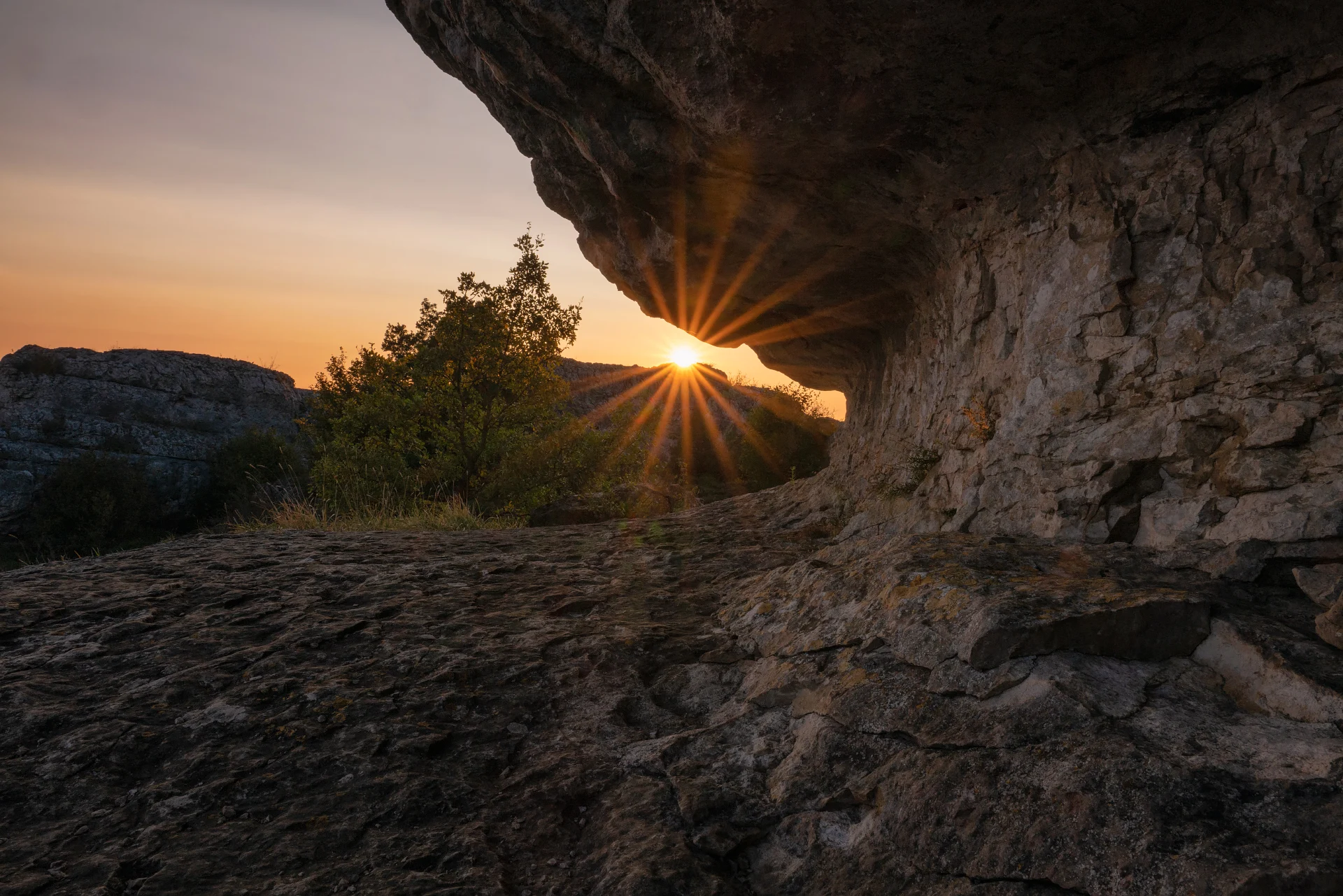
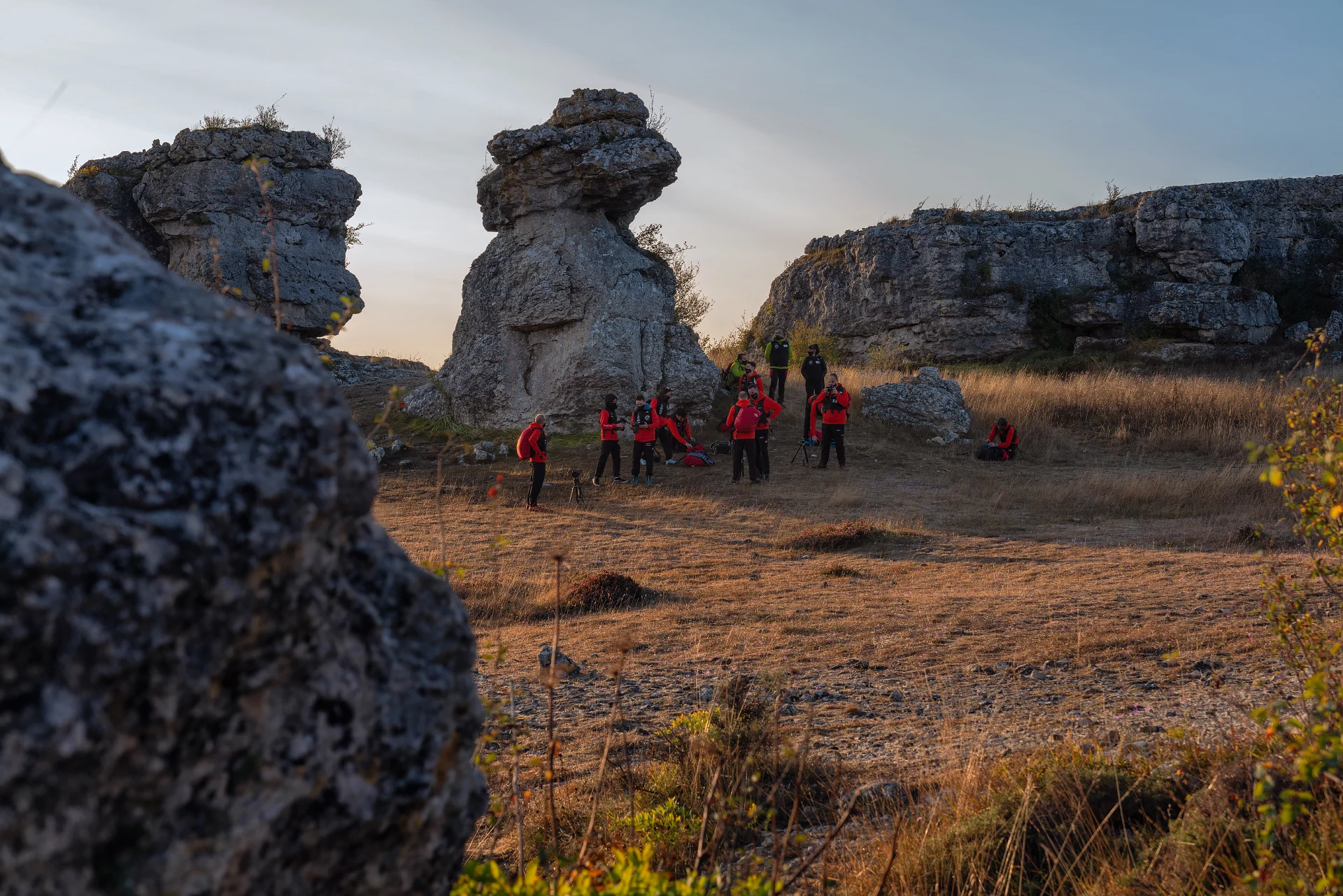
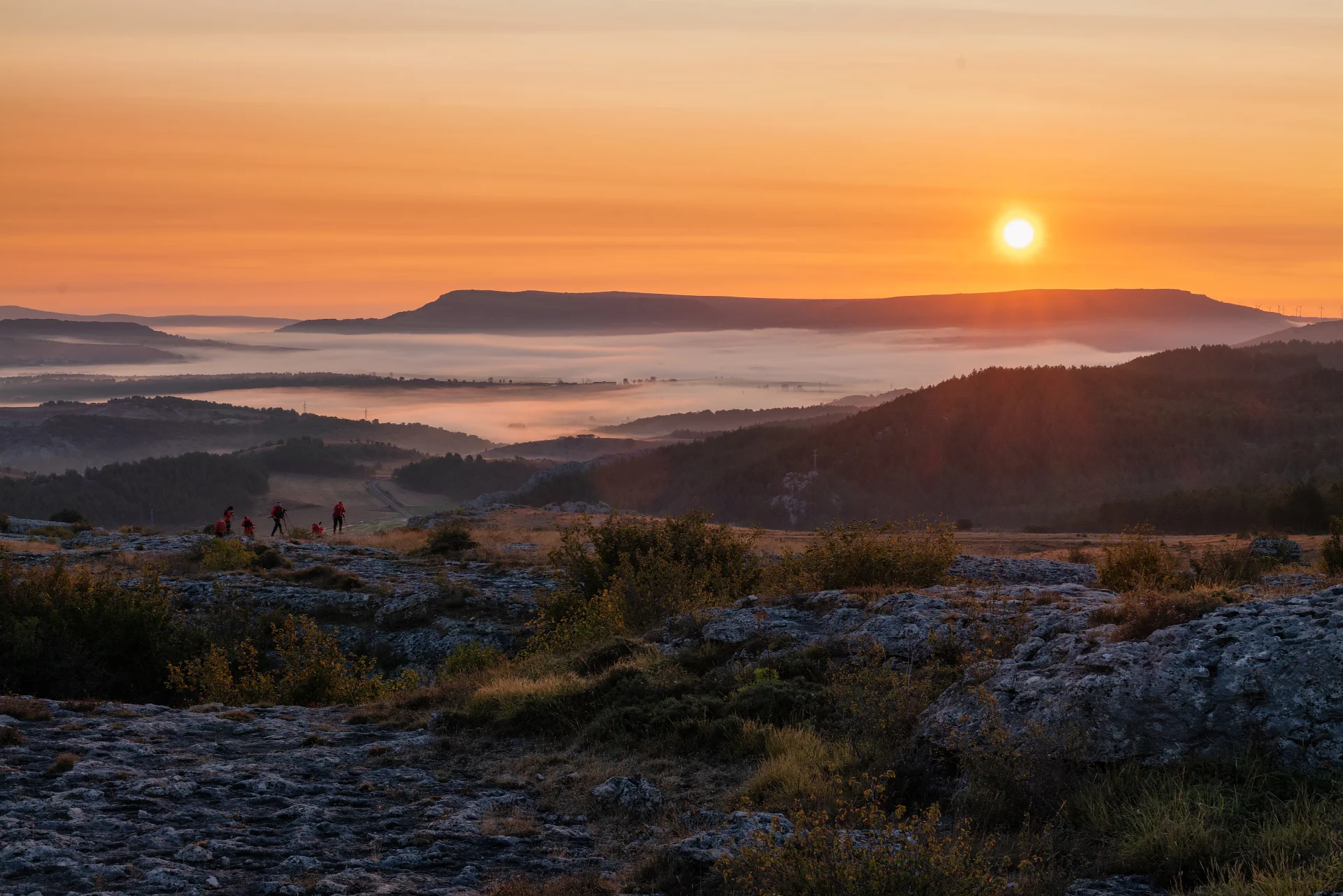
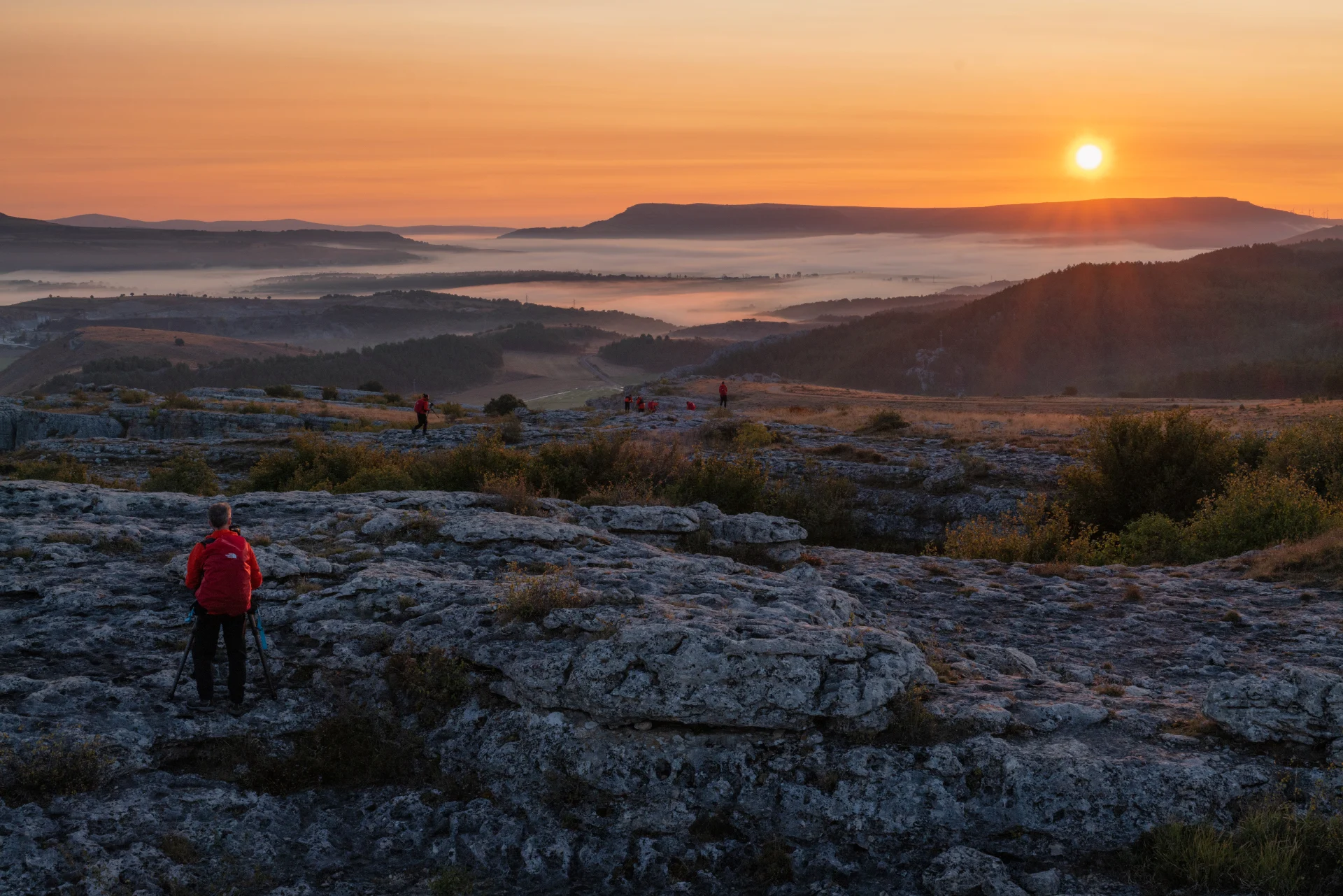
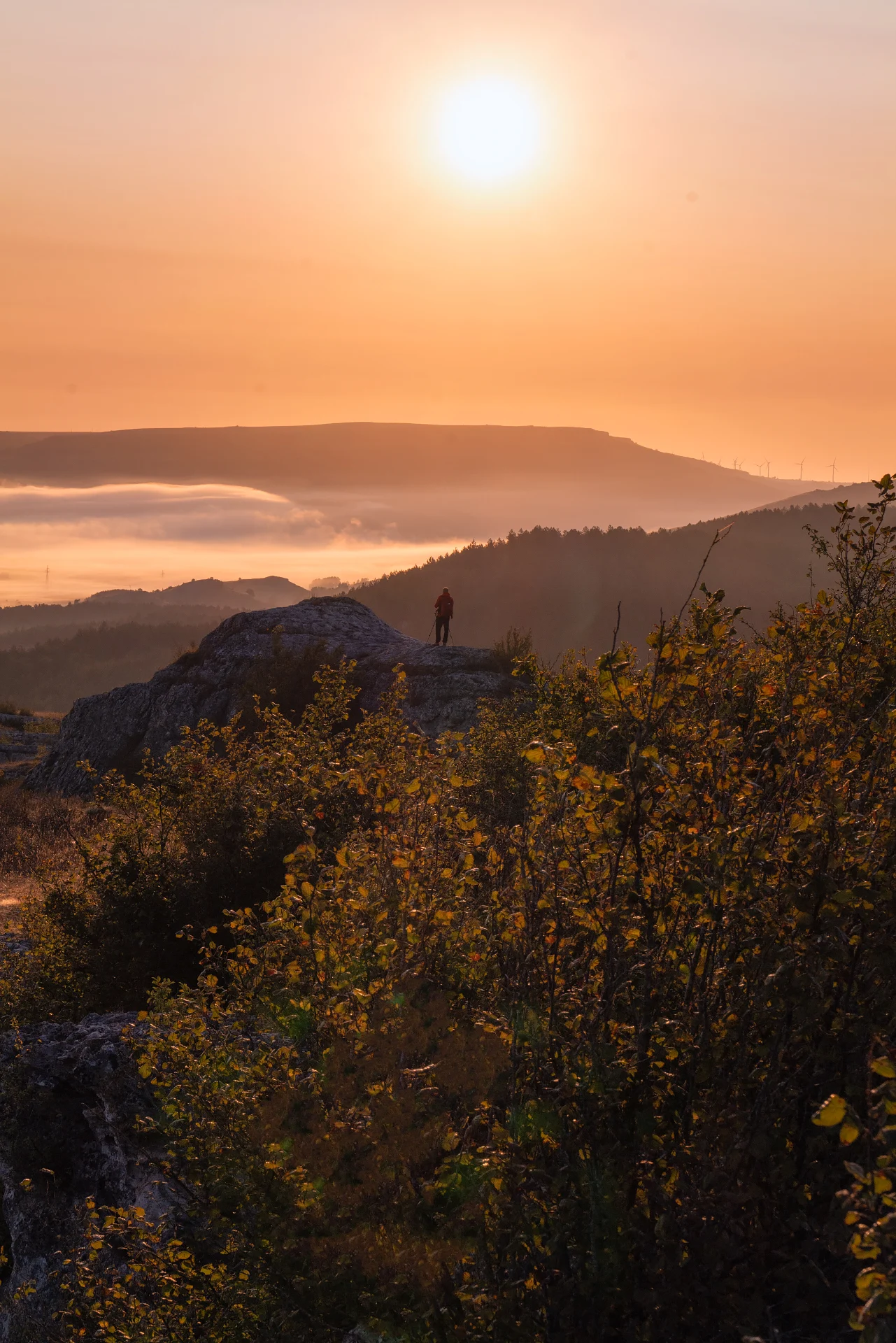
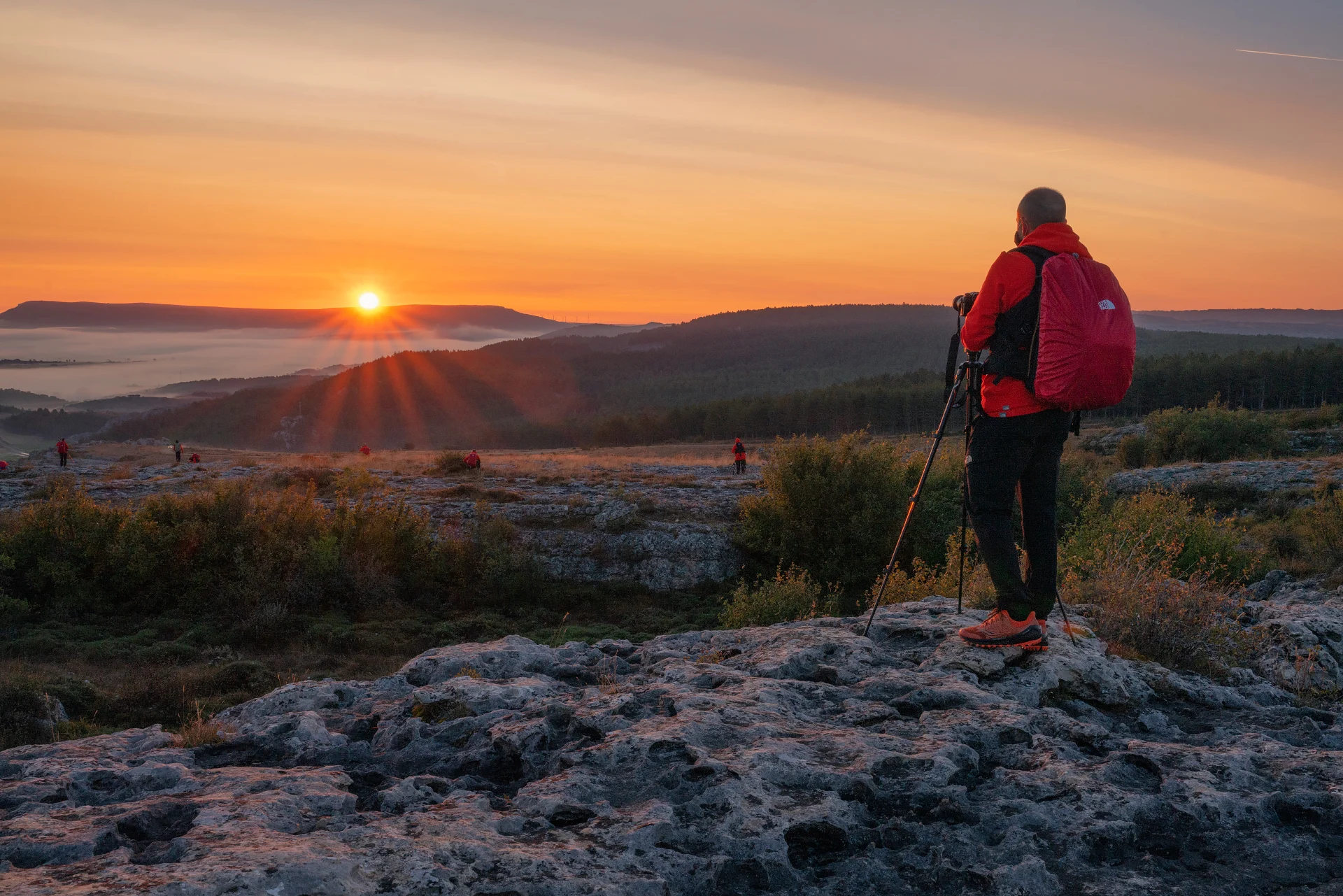
Photographs are usually taken at sunrise on Saturday and Sunday and at sunset on Friday and Saturday. Saturday also includes visits to different locations or demanding hikes of up to 25 kilometres. Participants must take photographs along the way and reach checkpoints before set deadlines.
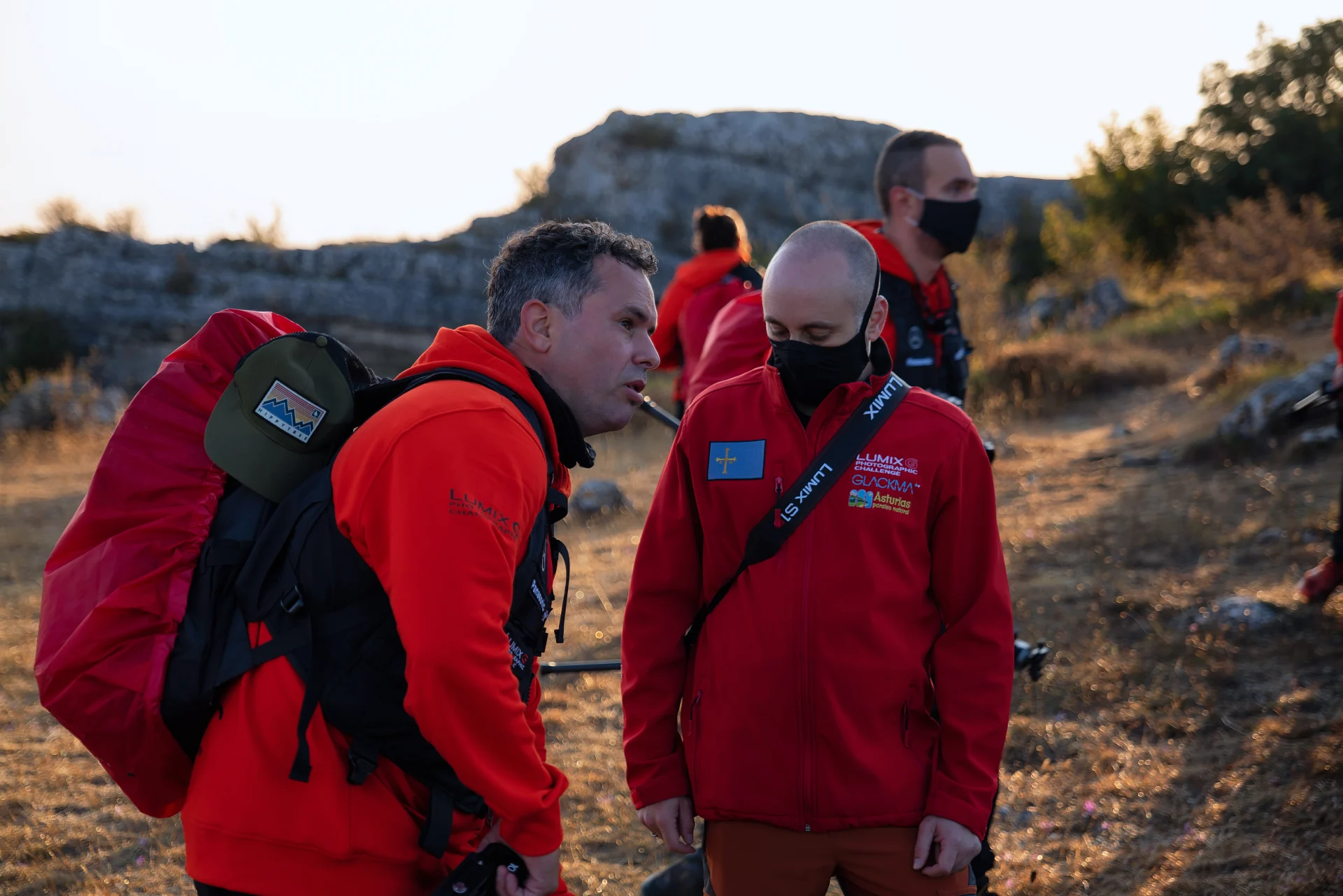
The judges and staff accompany each challenge and enforce checkpoint deadlines strictly. Anyone who arrives late can be disqualified.
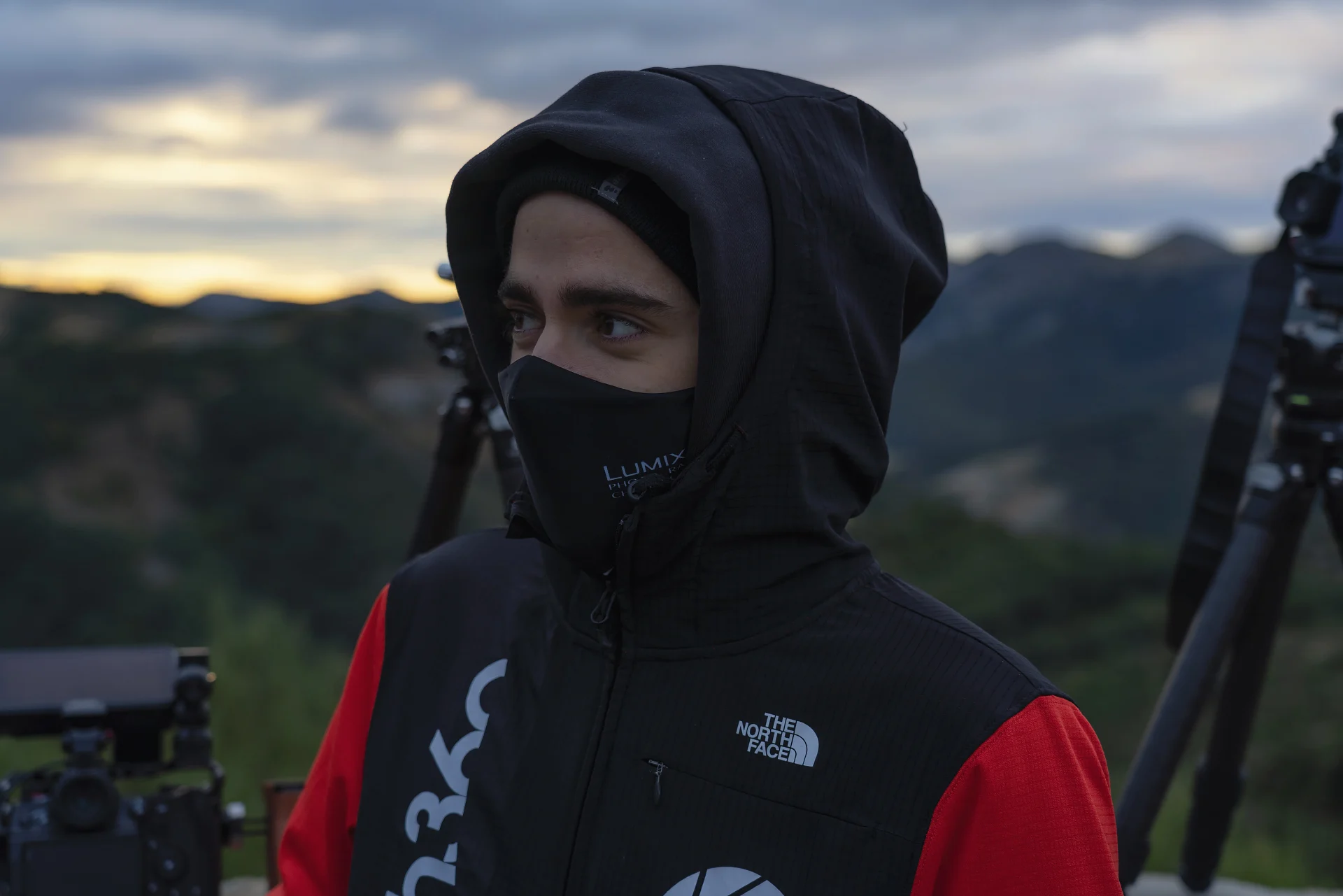
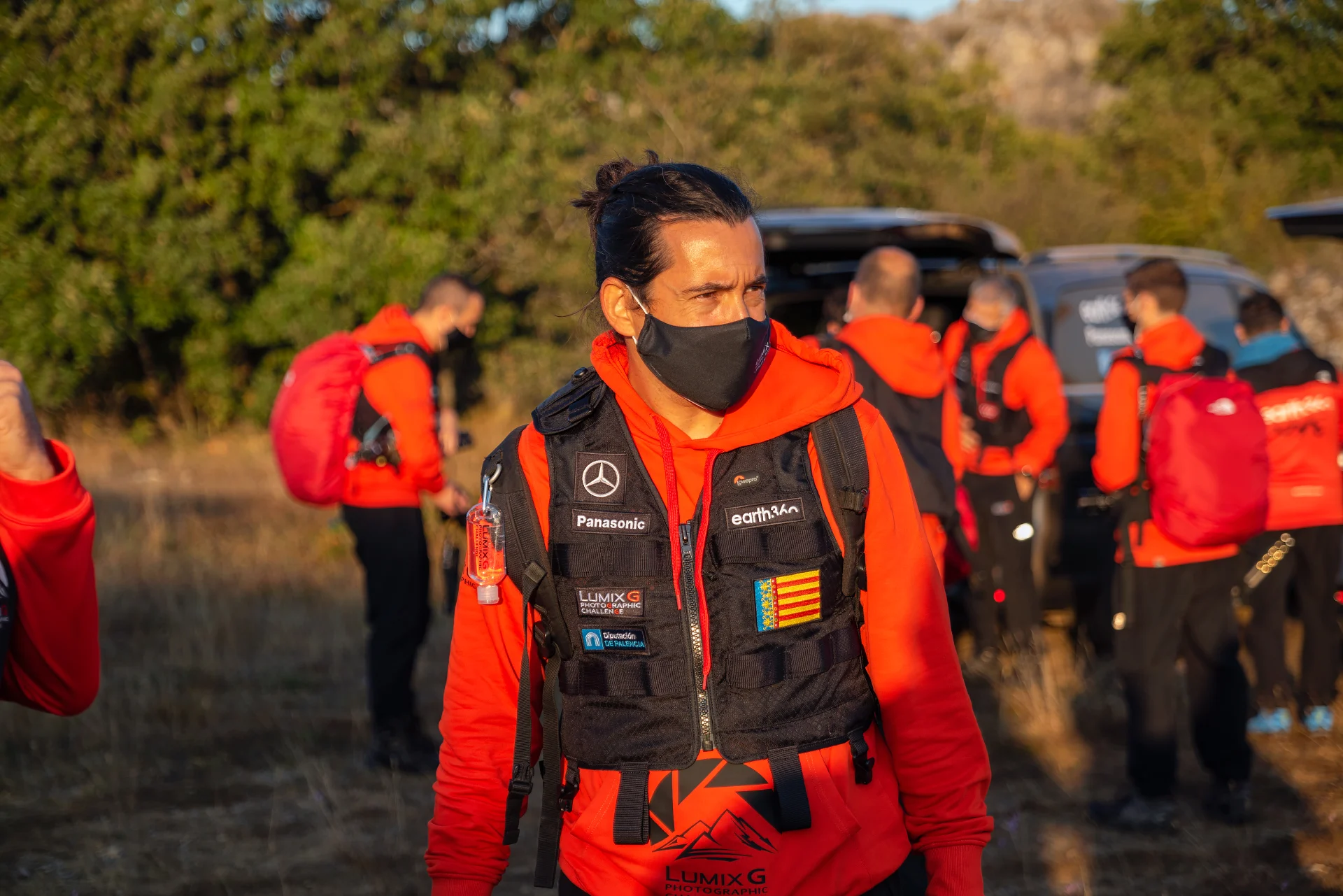
This stage is a physically demanding adventure that pushes participants to their limits, but also builds friendships. The Lumix Challenge is not just about competition: time spent together makes the human side stand out above all else.
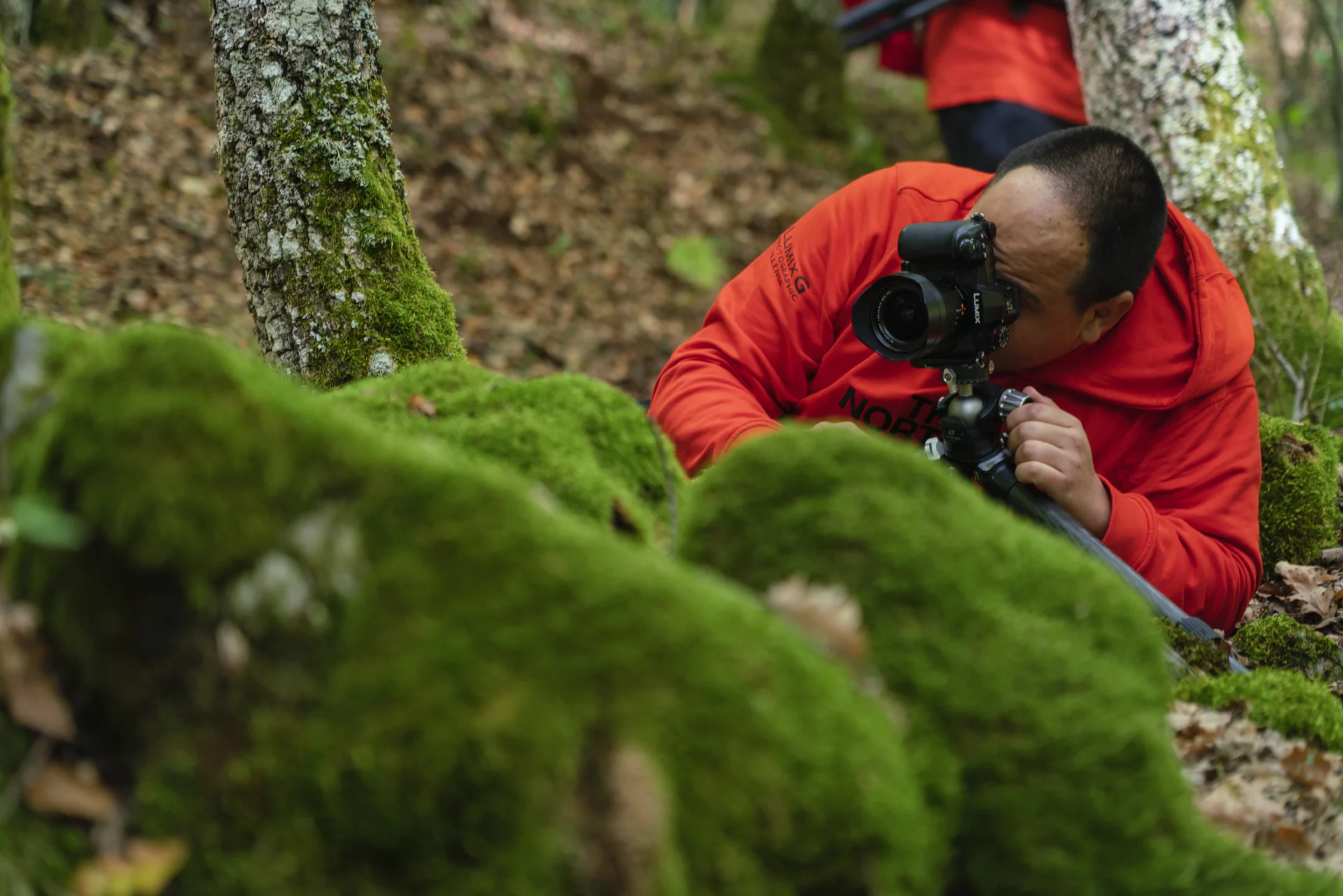
From the 17 semi-finalists, the judges select six for the grand final, usually held a couple of weeks later.
The final usually takes place in the same region but at different locations. It follows a similar format, except that on Saturday night participants must select and edit the photographs the judges will assess just hours later. As in previous rounds, the selection must meet specific requirements, such as panoramas, images from a particular sunrise or sunset, or photographs taken with a specified lens.
On Sunday morning, the judges choose the three winners. Prizes range from Lumix cameras to trips to Iceland or a week with a Mercedes Marco Polo campervan.
MY EXPERIENCE
As you can see, this competition is very different from most others. It rewards photographic skill in the field: composition is central, and everyone uses the same equipment at the same place and time. Owning better gear or being a stronger editor does not give anyone an advantage.
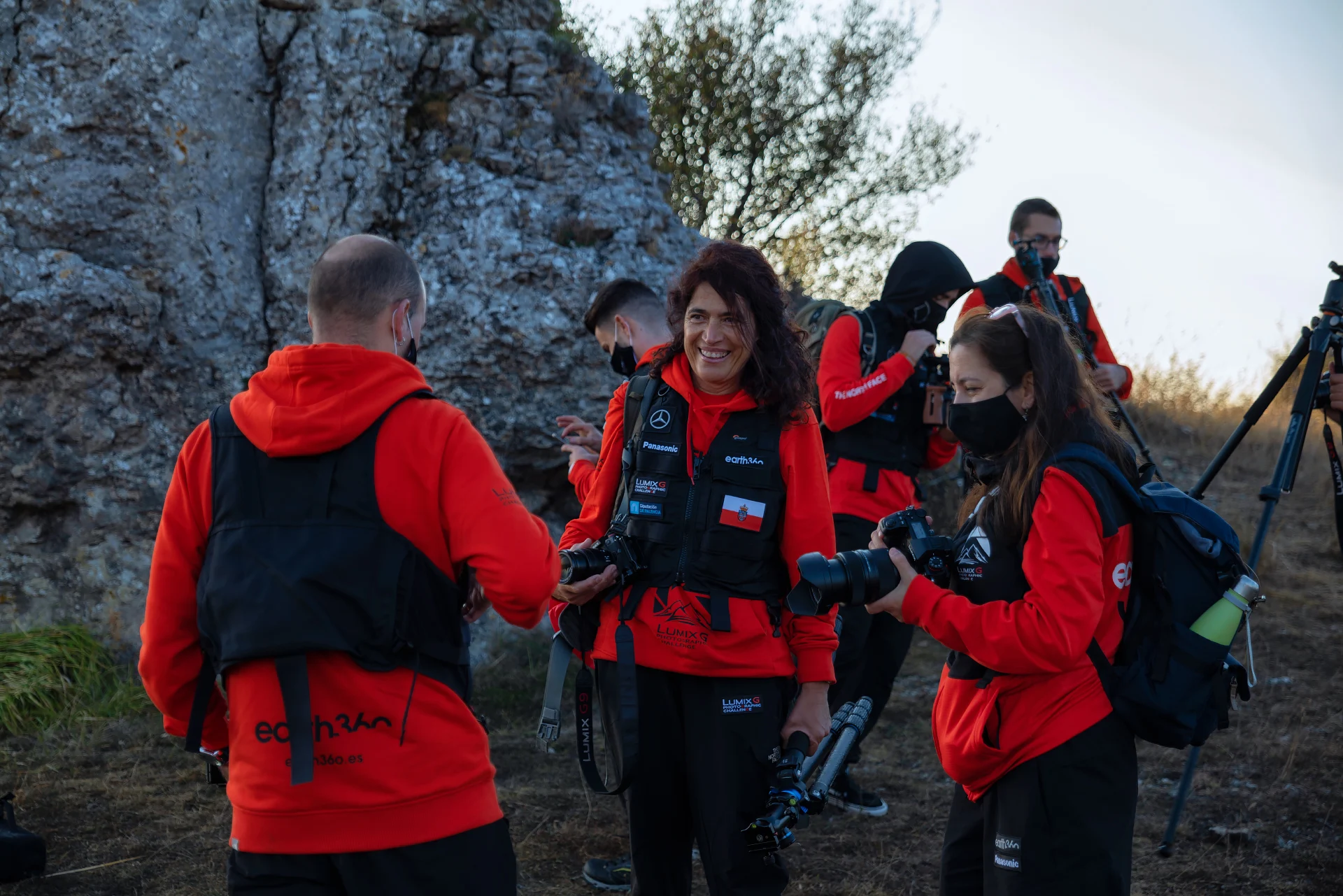
Everyone who takes part therefore has the same chance of winning.
I have judged two editions, although I could not attend the semi-finals in 2019 and missed part of the full Lumix experience.
This time, I will focus on this year’s edition in the mountains of Palencia, where I shared judging duties with the excellent photographers Jesús M. García Flores and Ignacio Municio.
First, I should explain that we have no idea whose photographs we are judging. Each of the three judges receives images labelled with random participant numbers, different for each judge.
After assessing each region’s photographs and choosing the semi-finalists, we all gathered in Salinas de Pisuerga for a wonderful weekend in a superb setting. Organising it during the COVID-19 pandemic was a huge challenge for the team, starting with Carlos Caraglia who put everything into making the event possible that year.
QUALIFYING ROUNDS: VIDEO HIGHLIGHTS
The standard was exceptionally high, with nationally recognised photographers showing both their photographic talent and their generosity. Good humour, jokes and a friendly atmosphere filled the weekend.
It was wonderful to see competitors helping one another by operating a camera or posing for a photograph. It was equally moving to see participants encourage those struggling to reach checkpoints before the deadline.
This became even clearer on Sunday at midday, just before we left for home, when Carlos asked everyone to say a few words about the weekend.
Almost everyone agreed that you cannot understand the Lumix experience from the outside: you have to live it. The emotion, friendly atmosphere and companionship can only truly be felt by taking part.
SEMI-FINALS: VIDEO HIGHLIGHTS
The six finalists then returned for a wonderful weekend in a country house in the small village of Liordes. Sharing the house strengthened that atmosphere even further; it felt like being with lifelong friends rather than people we had only just met.
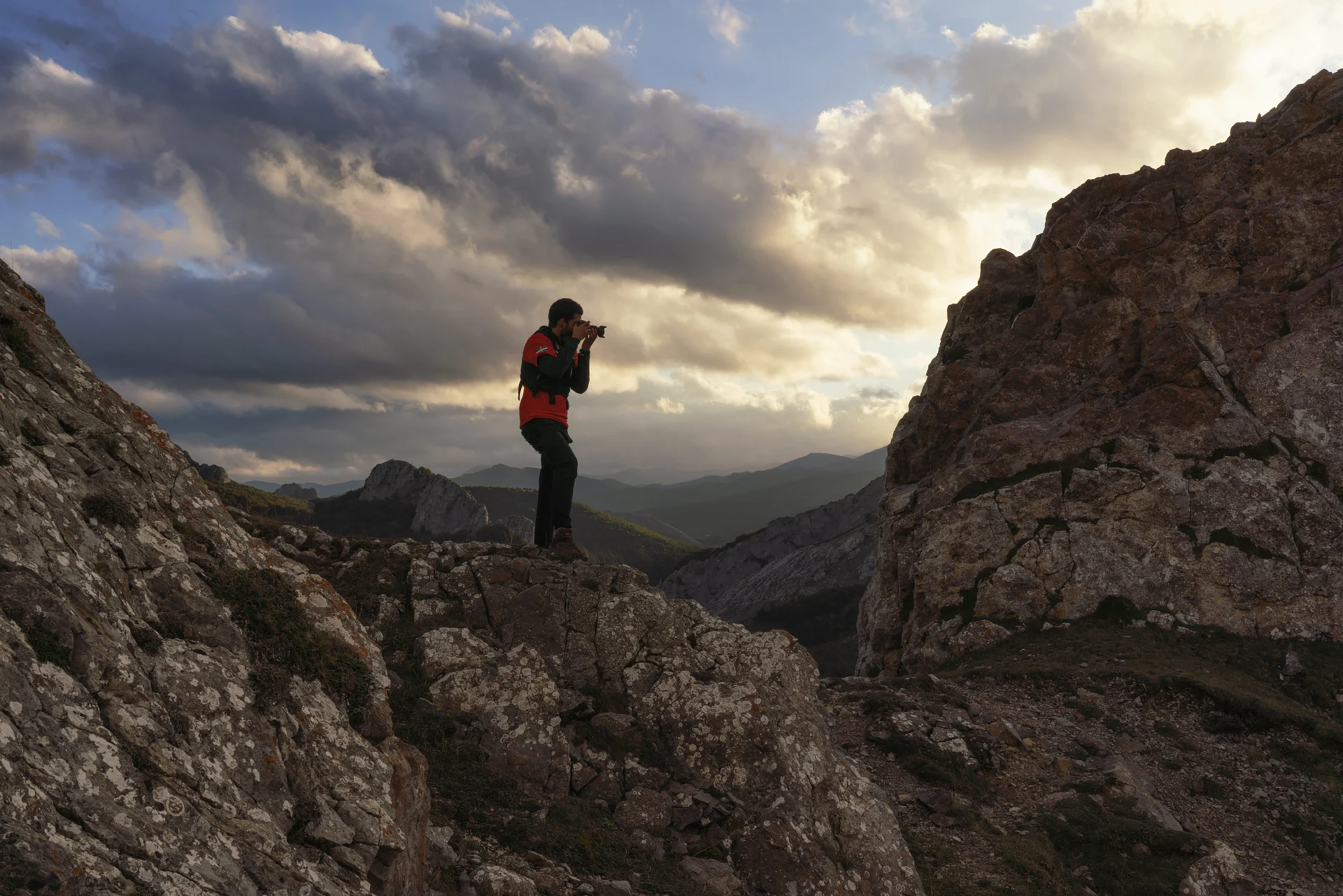
The weekend’s climax came as we assessed the photographs for the final verdict. We began at around 08:30, with the awards scheduled for noon. By then, the three of us were still struggling to finalise our votes because the standard was so high and the competitors so closely matched.
When the winners were announced, almost everyone there was moved to tears by the participants’ reactions as they heard their names.
This competition stands out not only for its format and photographic quality, but for its people and the unforgettable experience it offers.
I want to thank everyone who made this experience possible, starting with Carlos Caraglia, , without whom none of this would have happened. And Gonzalo Pulido, who captures all the magic in his videos. Thanks also to the staff and judges, wonderful people and friends: Ignacio Municio, Jesús M. García, Montse González García, Alejandro García Bernardo , Julio Raindo and Patricia Asensio.
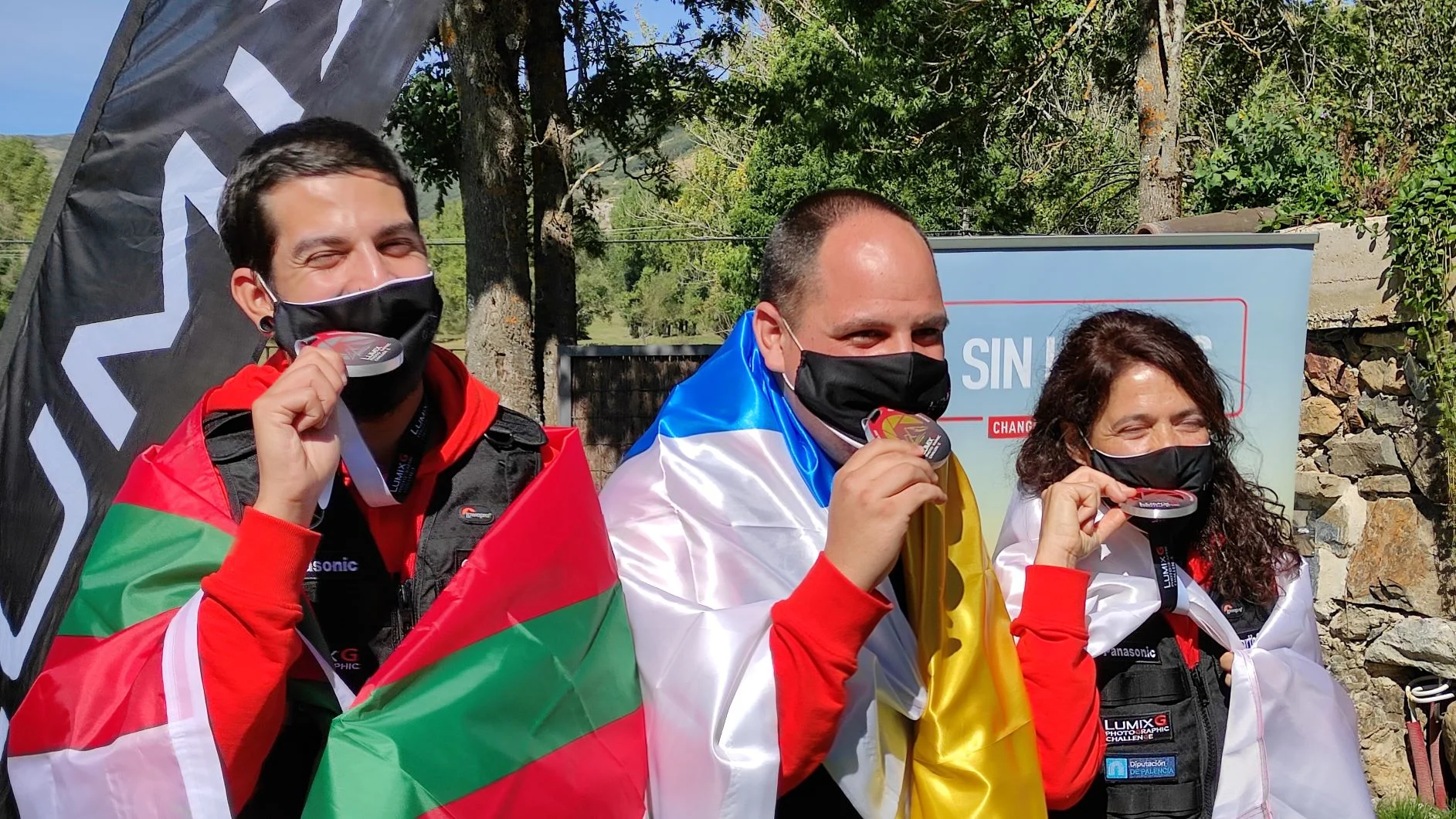
Last but not least, all the participants in the third edition of Lumix G, especially the three winners:
Merce Hernando (Cantabria), bronze medallist
Eneko Guerra (Basque Country), silver medallist
David Rodríguez (Canary Islands), gold medallist
FINAL: VIDEO HIGHLIGHTS
REGISTRATION IS NOW OPEN FOR THE 2021 LUMIX CHALLENGE, WITH PLENTY OF NEW FEATURES. DO NOT MISS OUT: THE DEADLINE IS 31 OCTOBER.
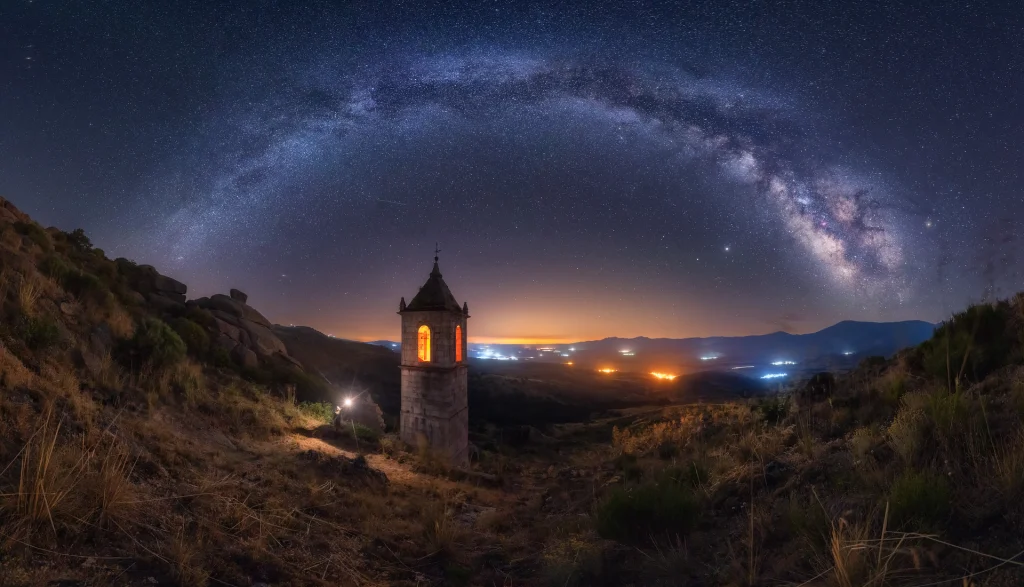
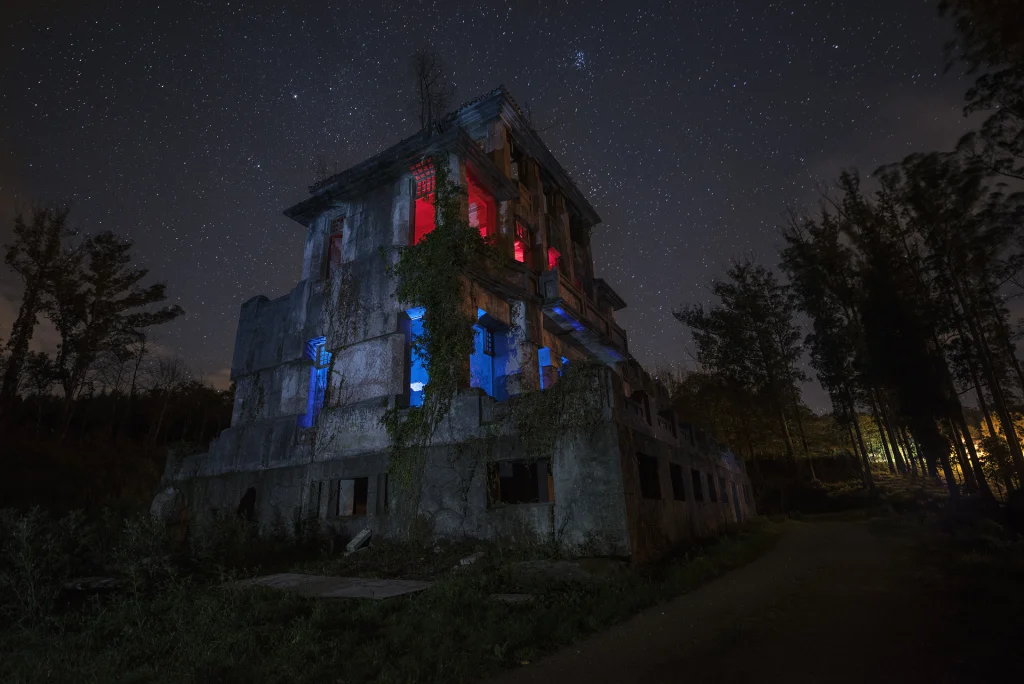
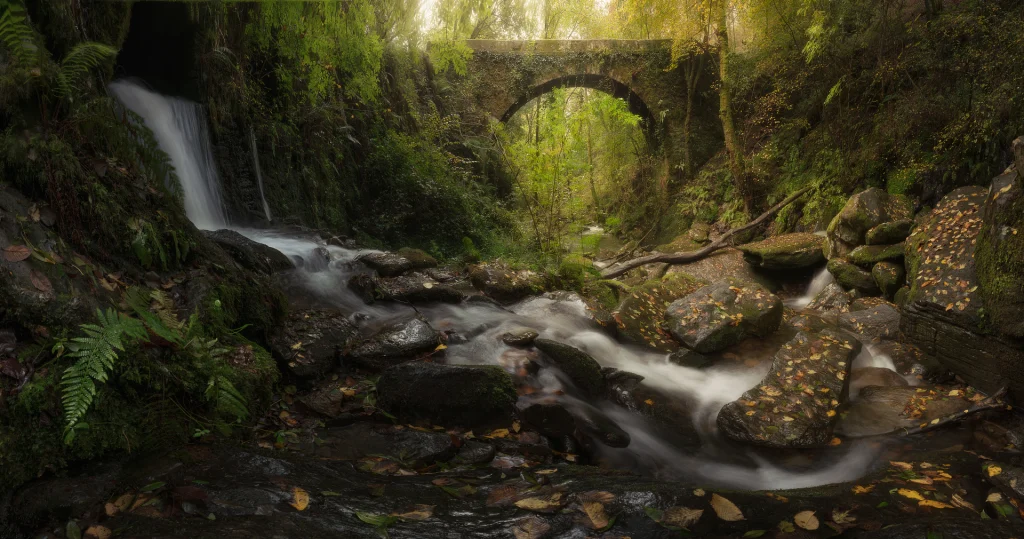
COMPETITION PHOTO GALLERY